Main content
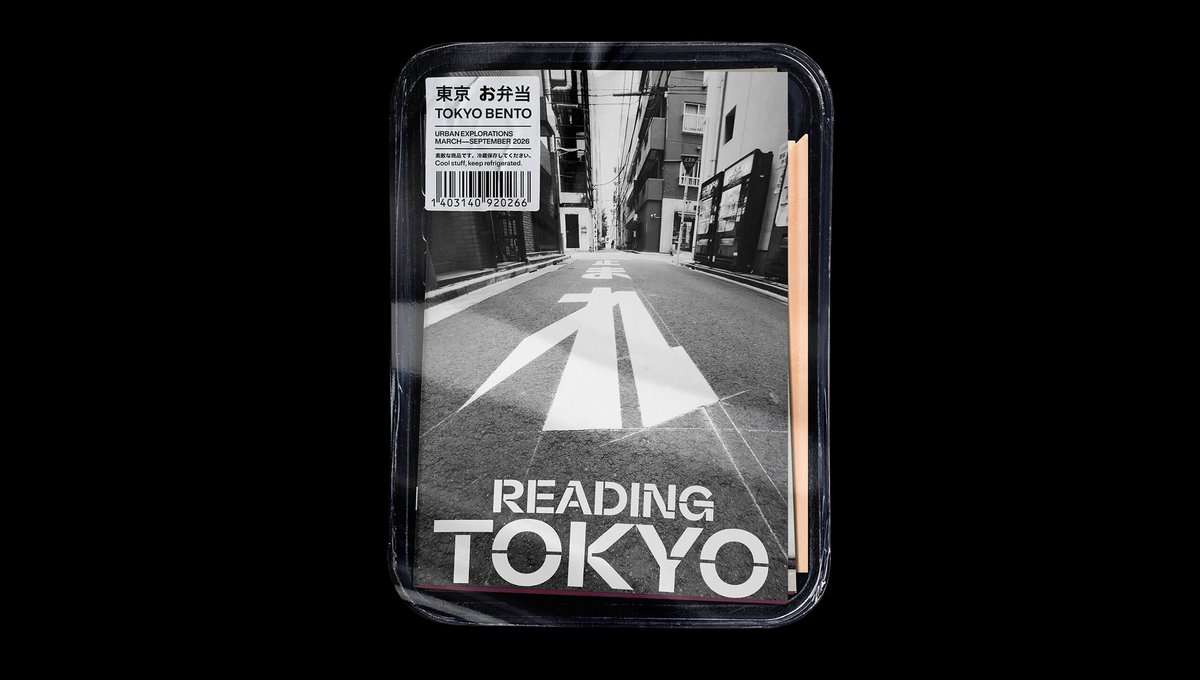
Tokyo Bento: Reading Tokyo
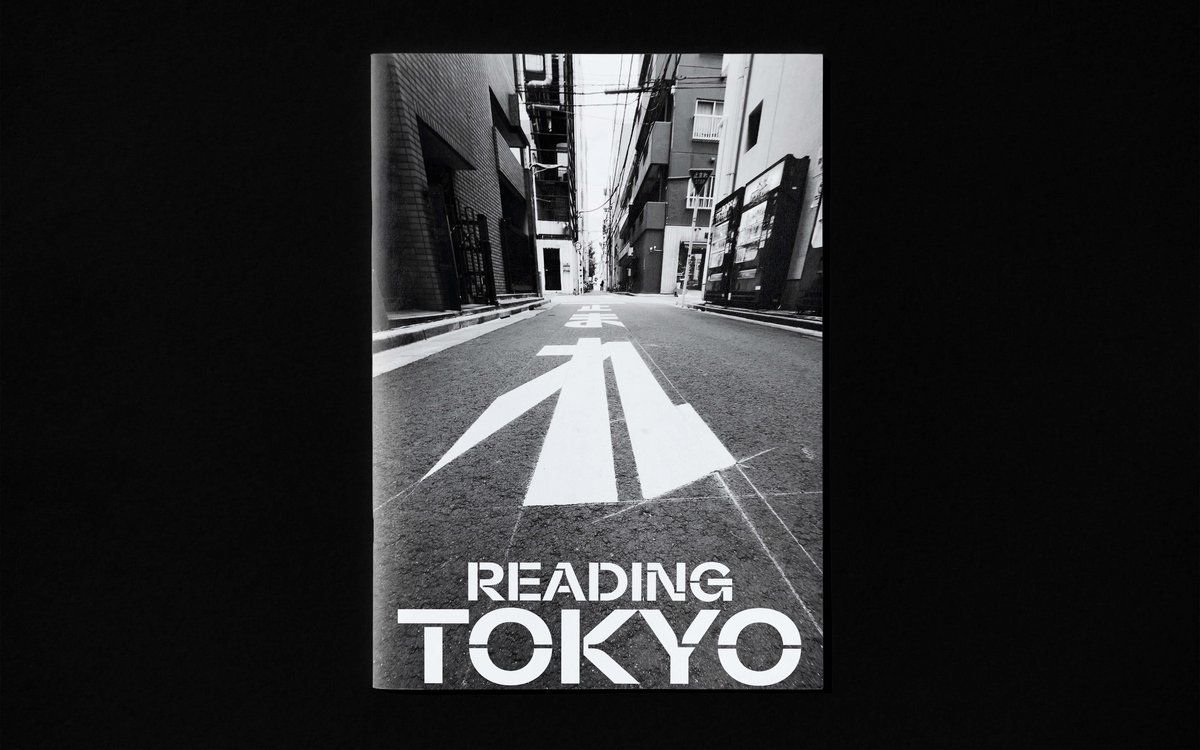
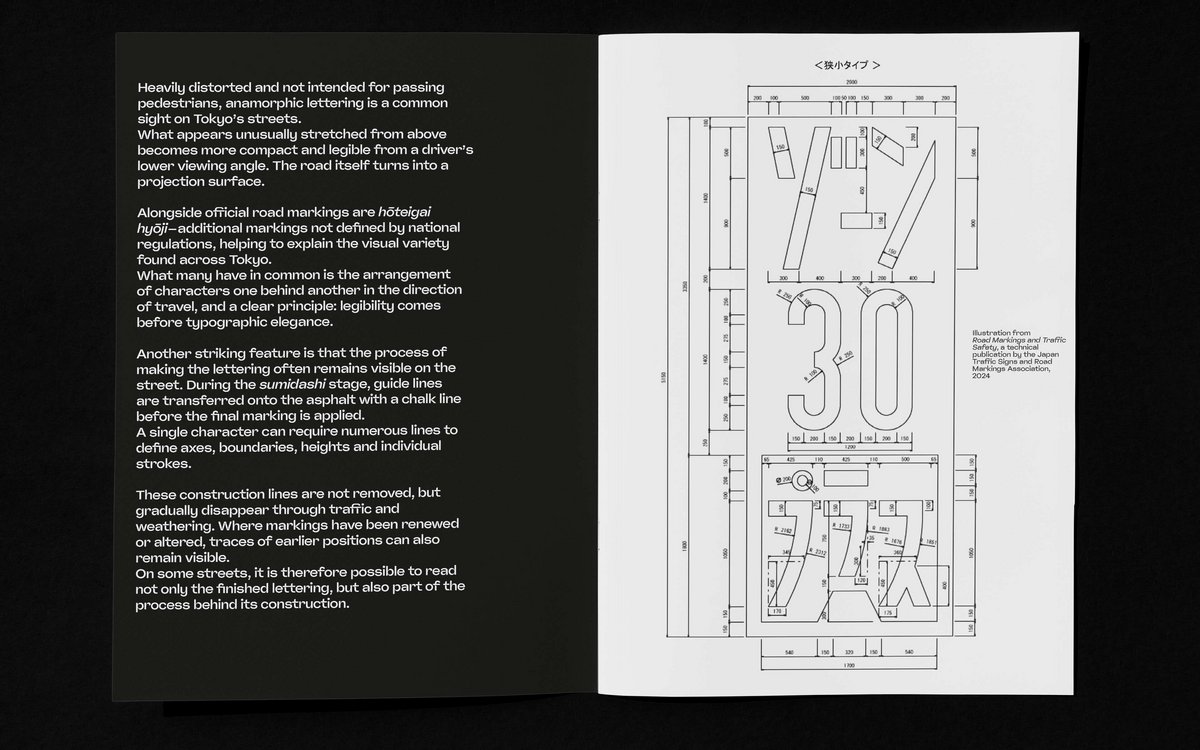
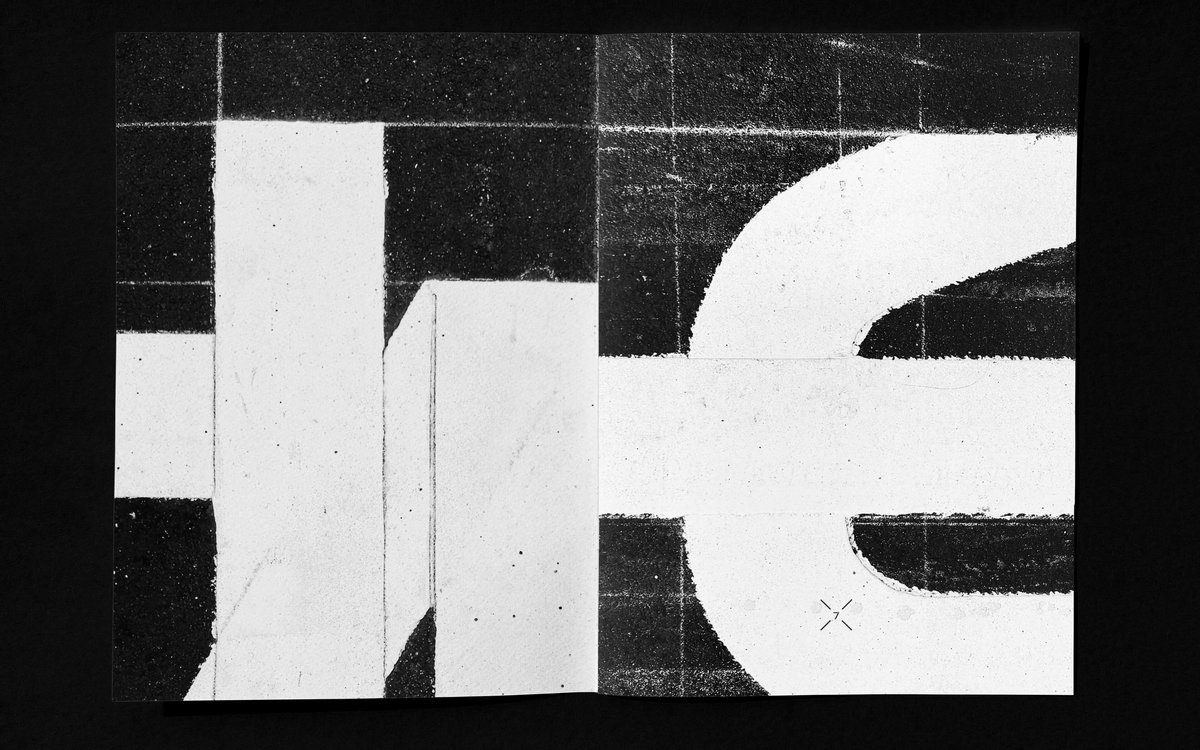
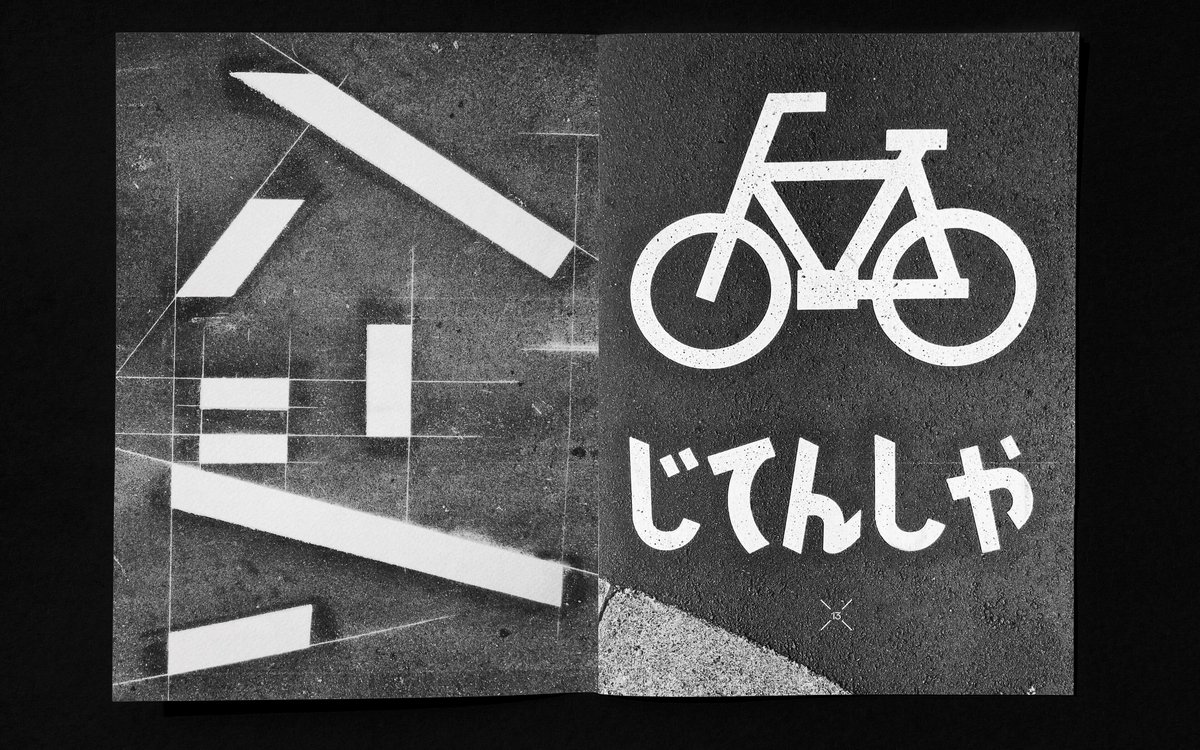
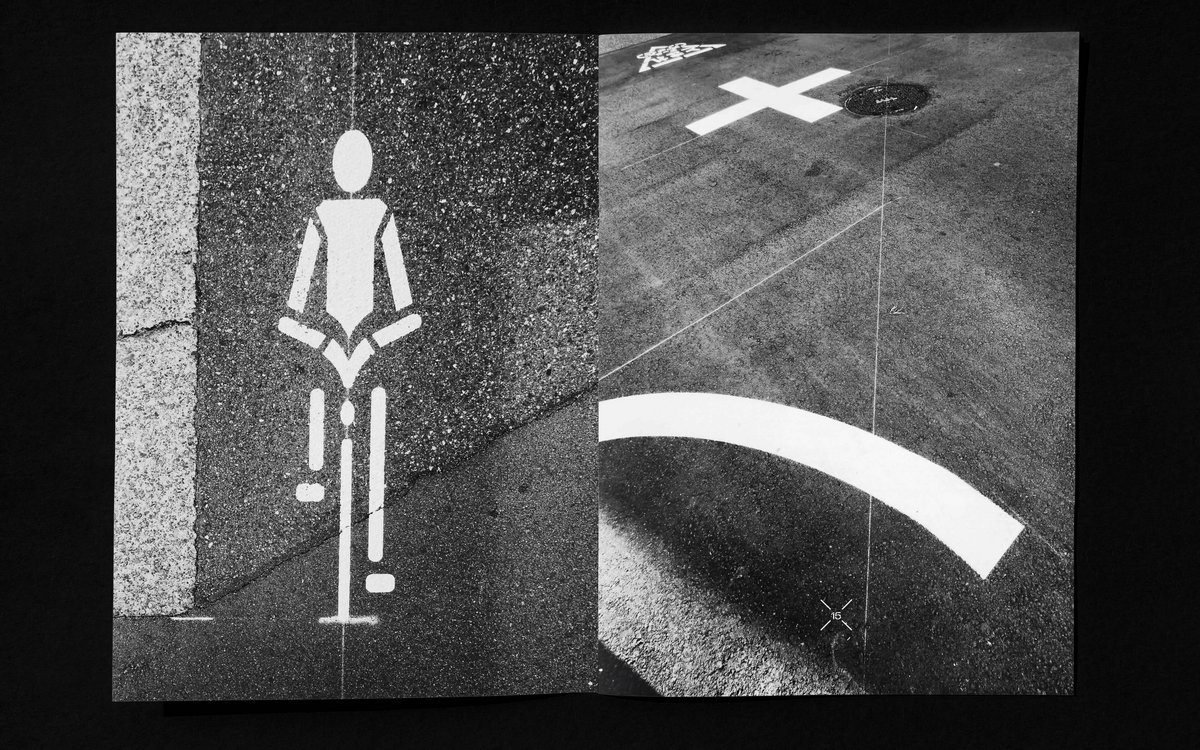
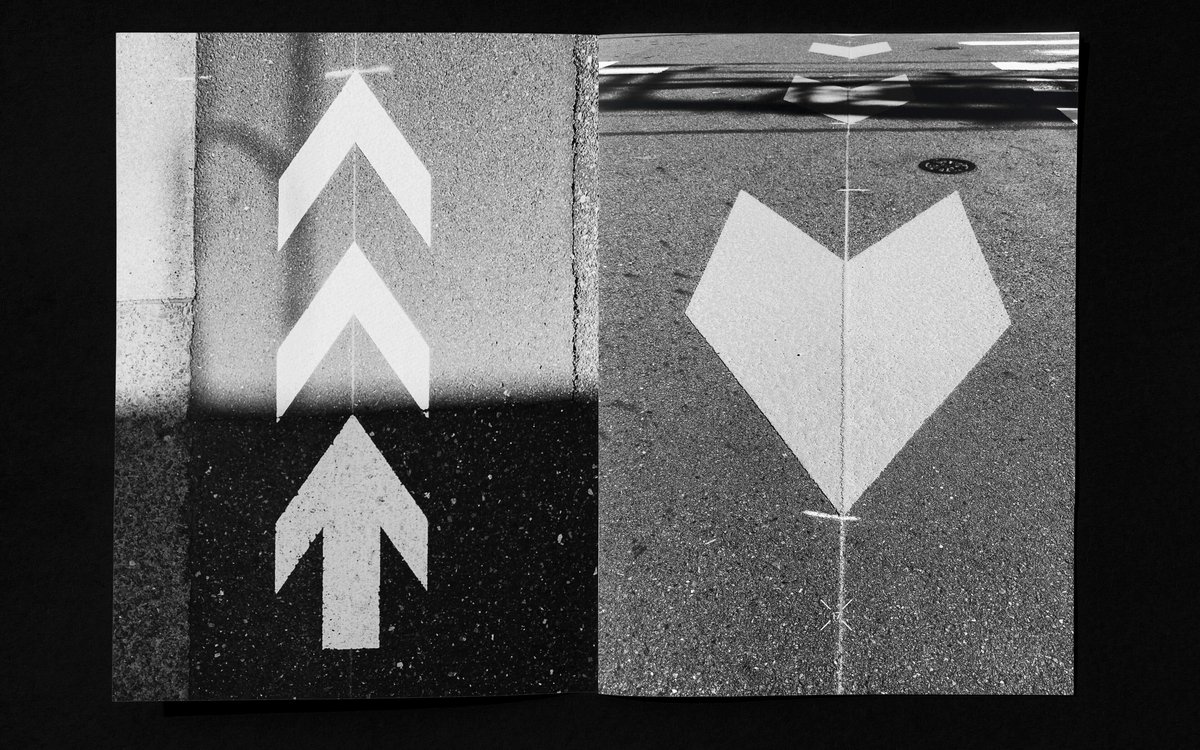
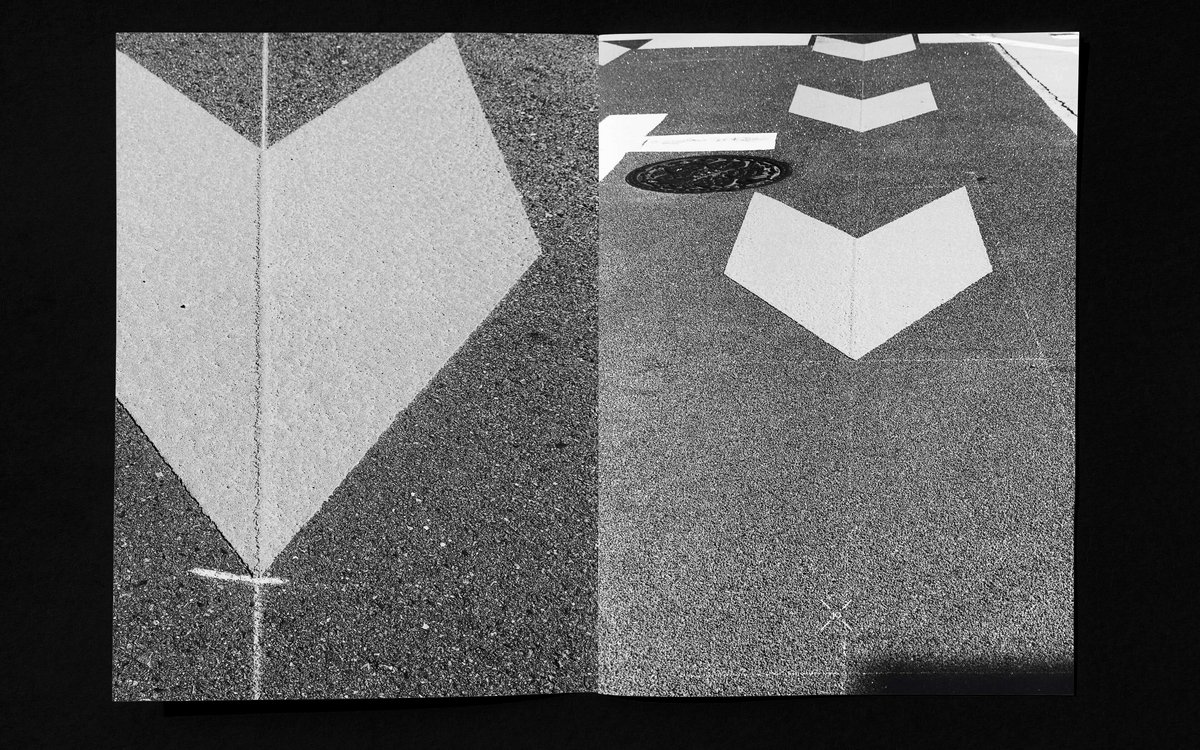
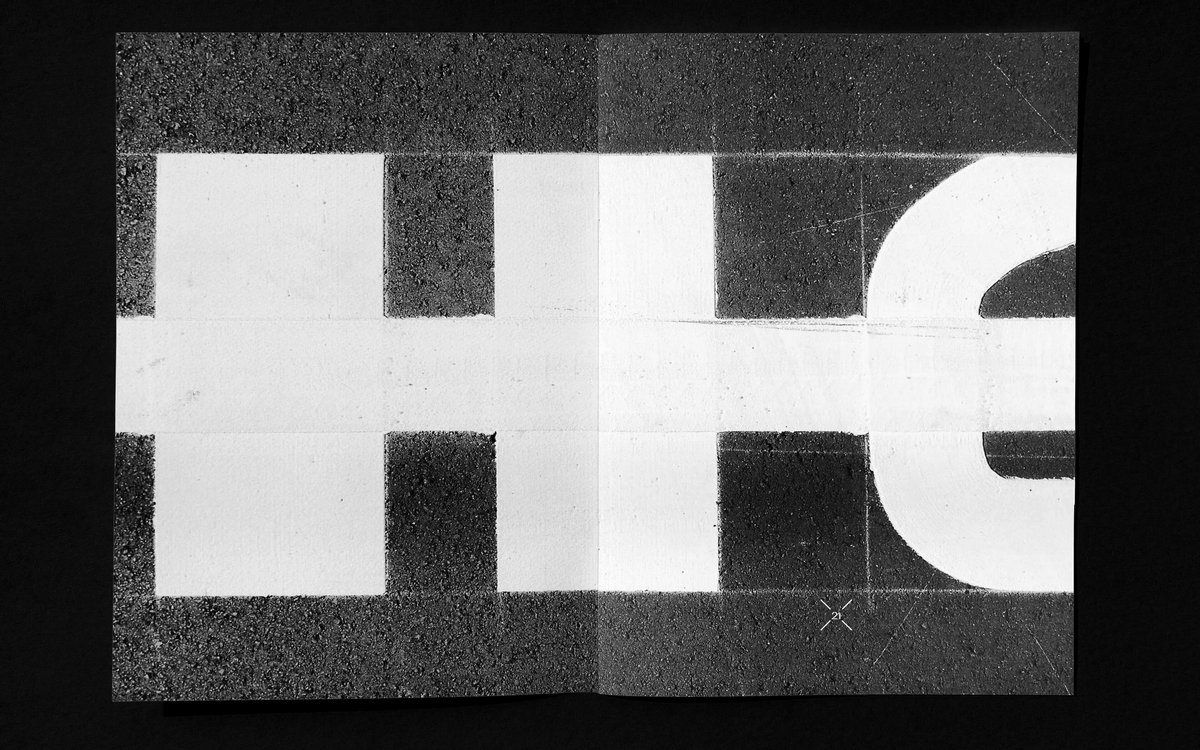
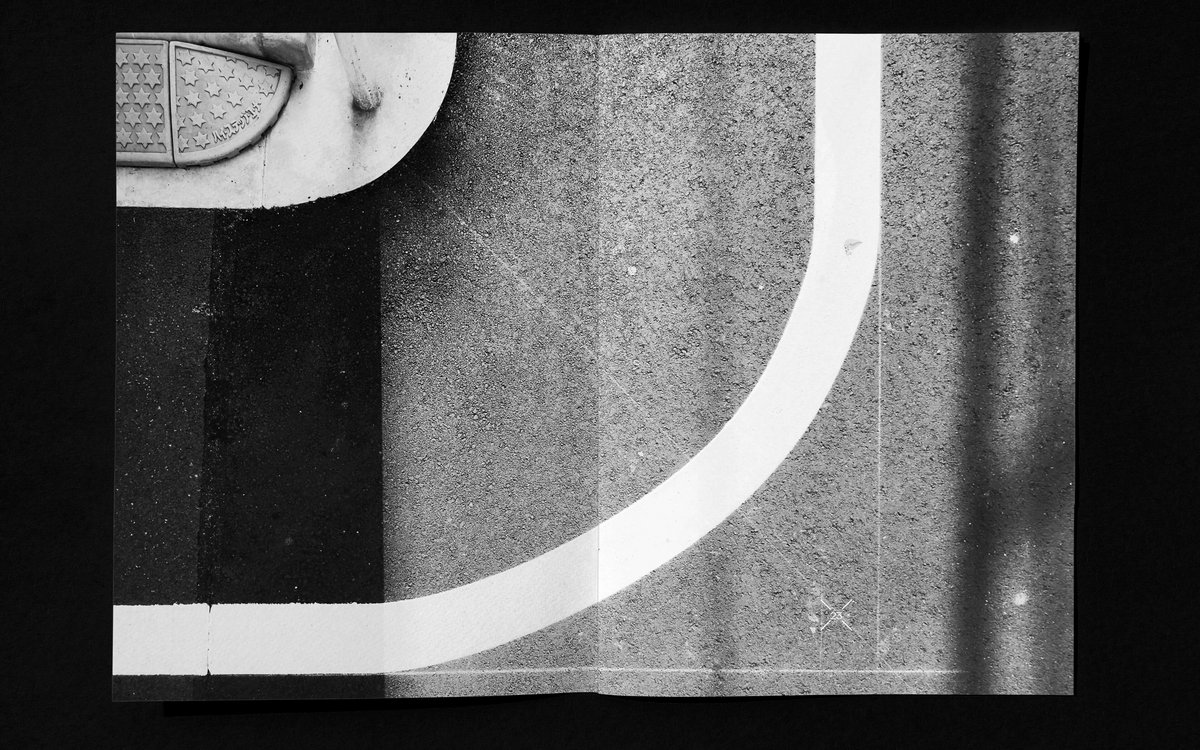
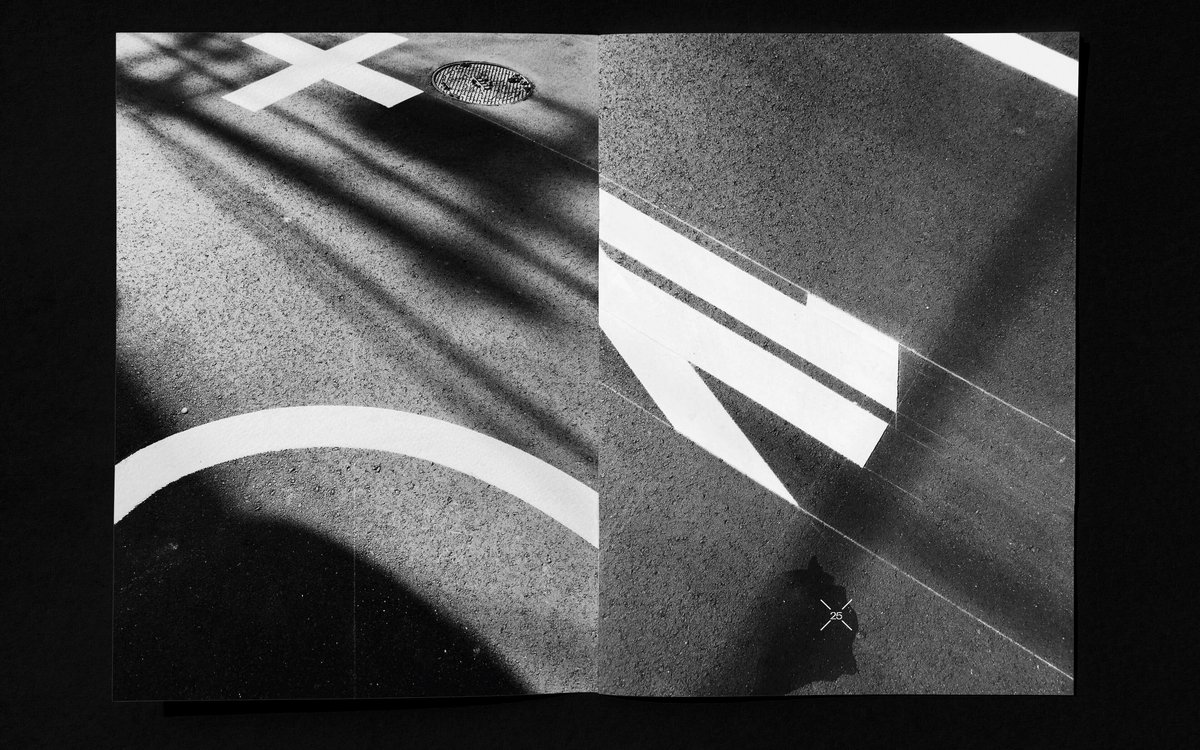
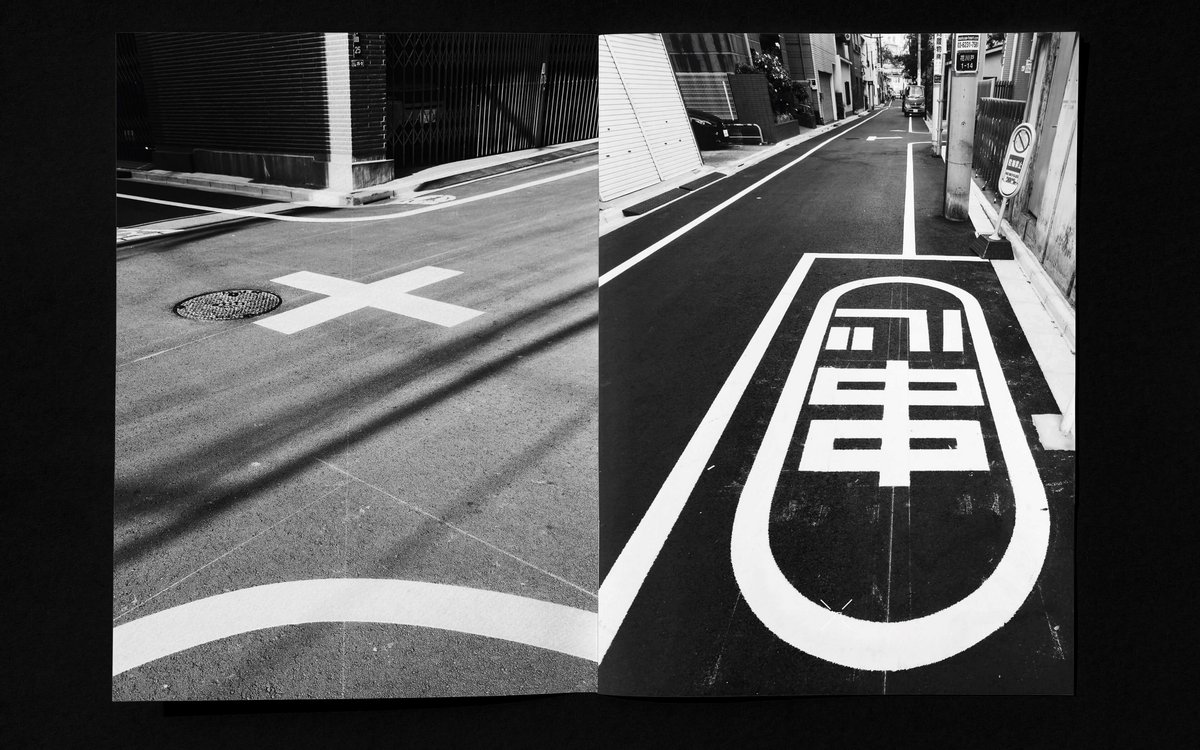
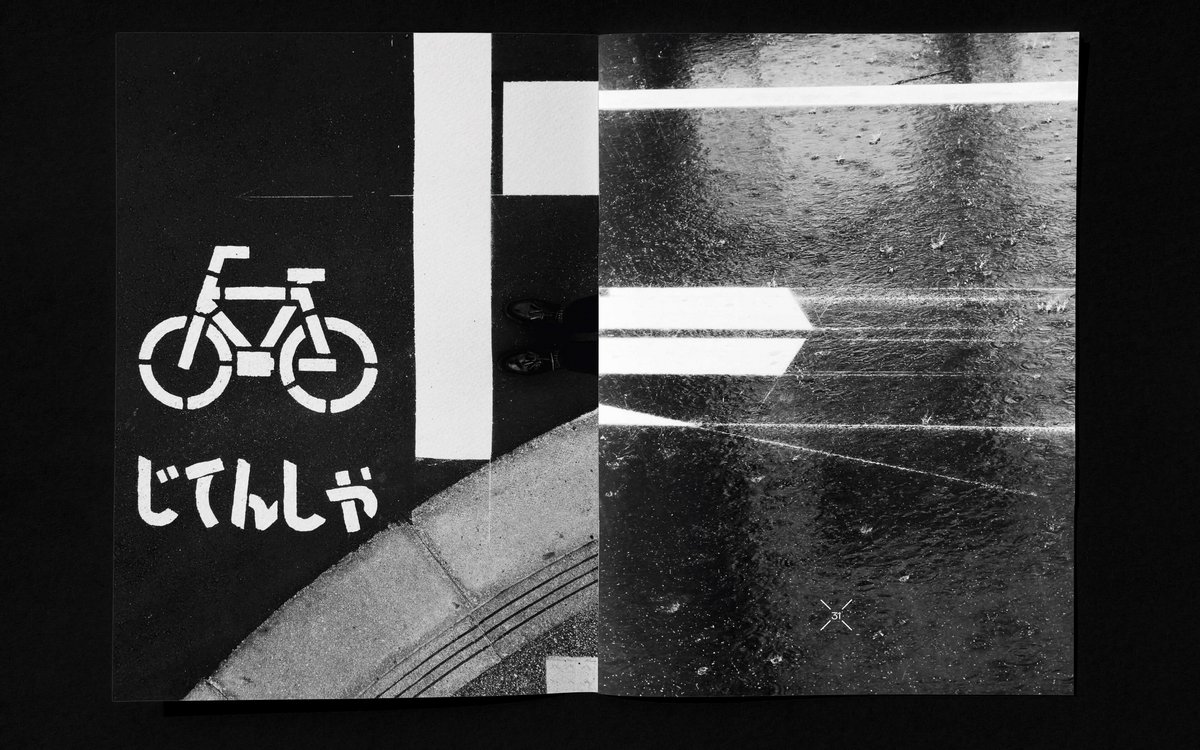
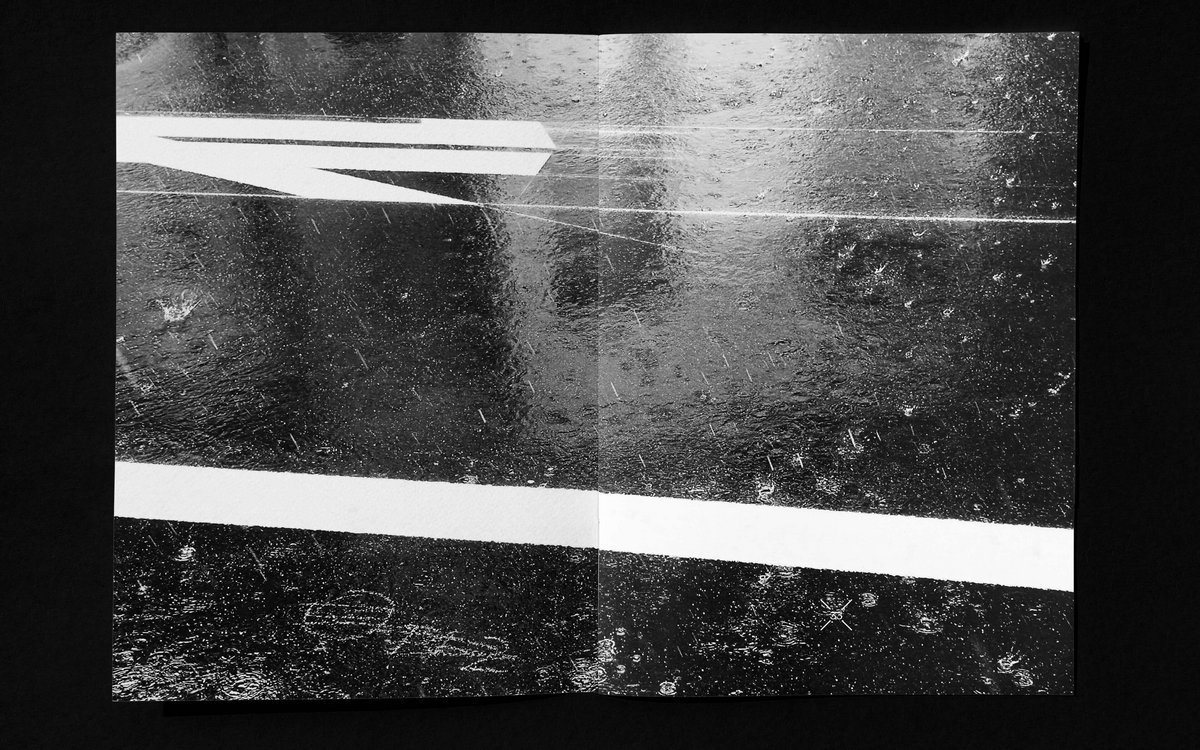
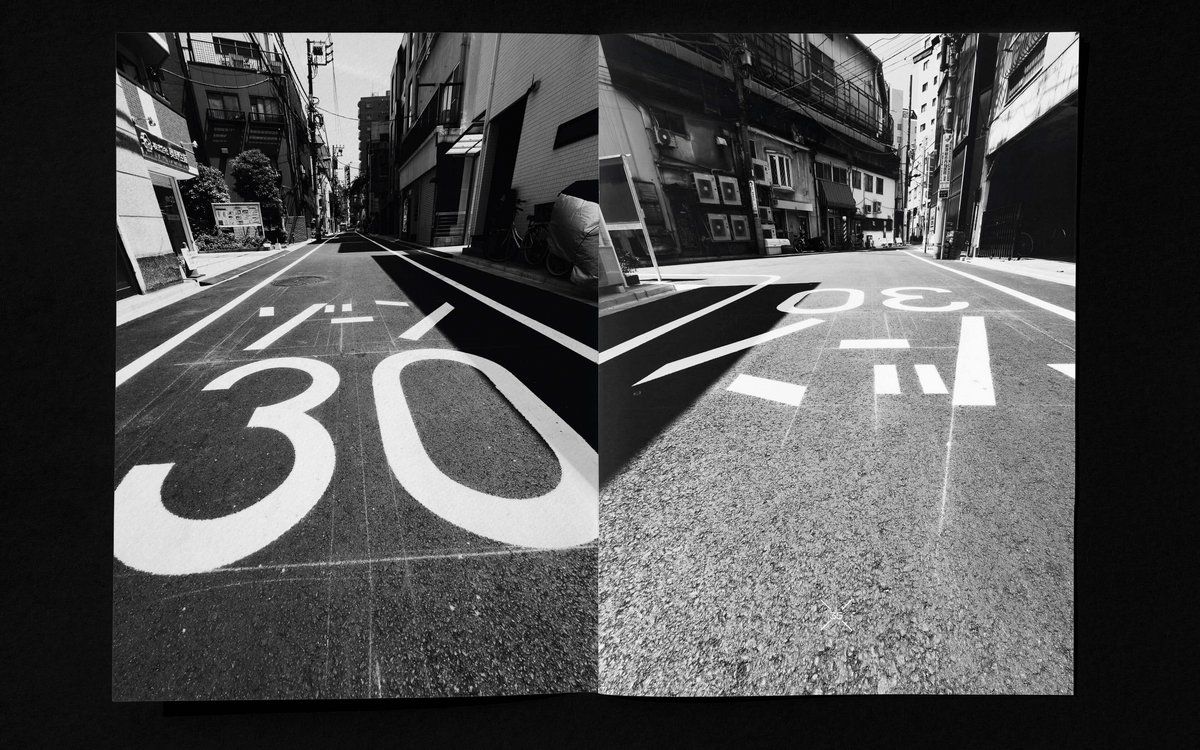
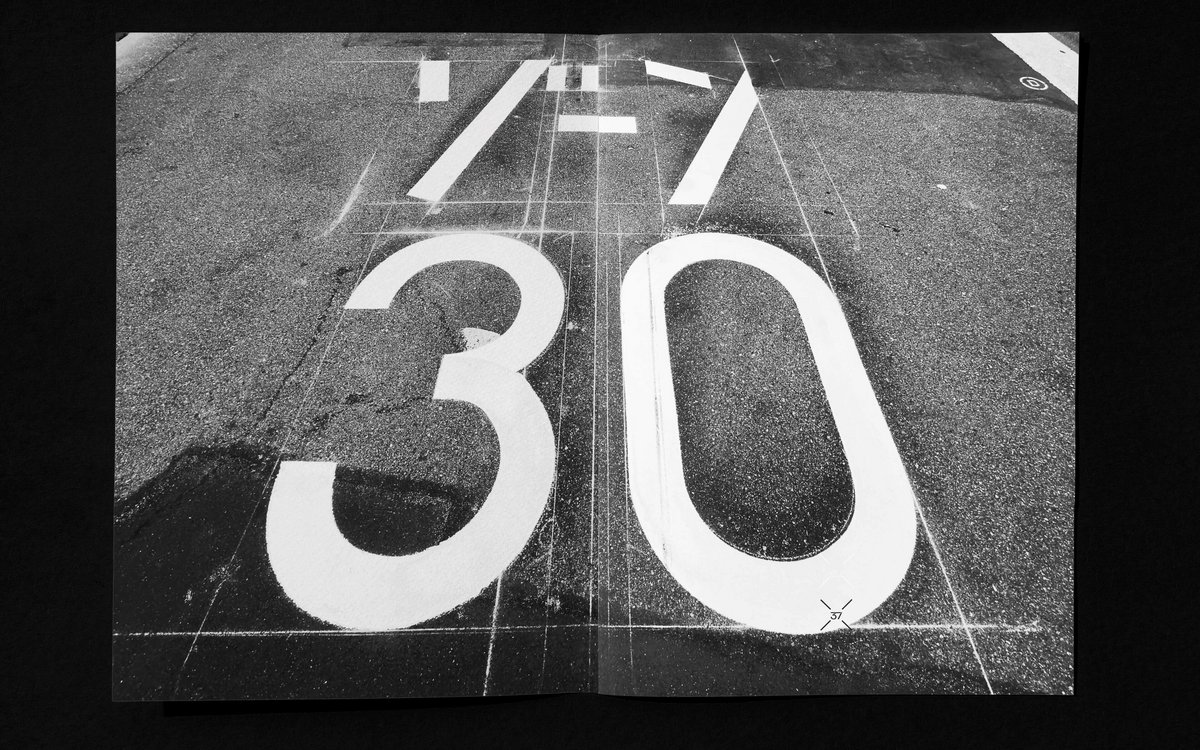
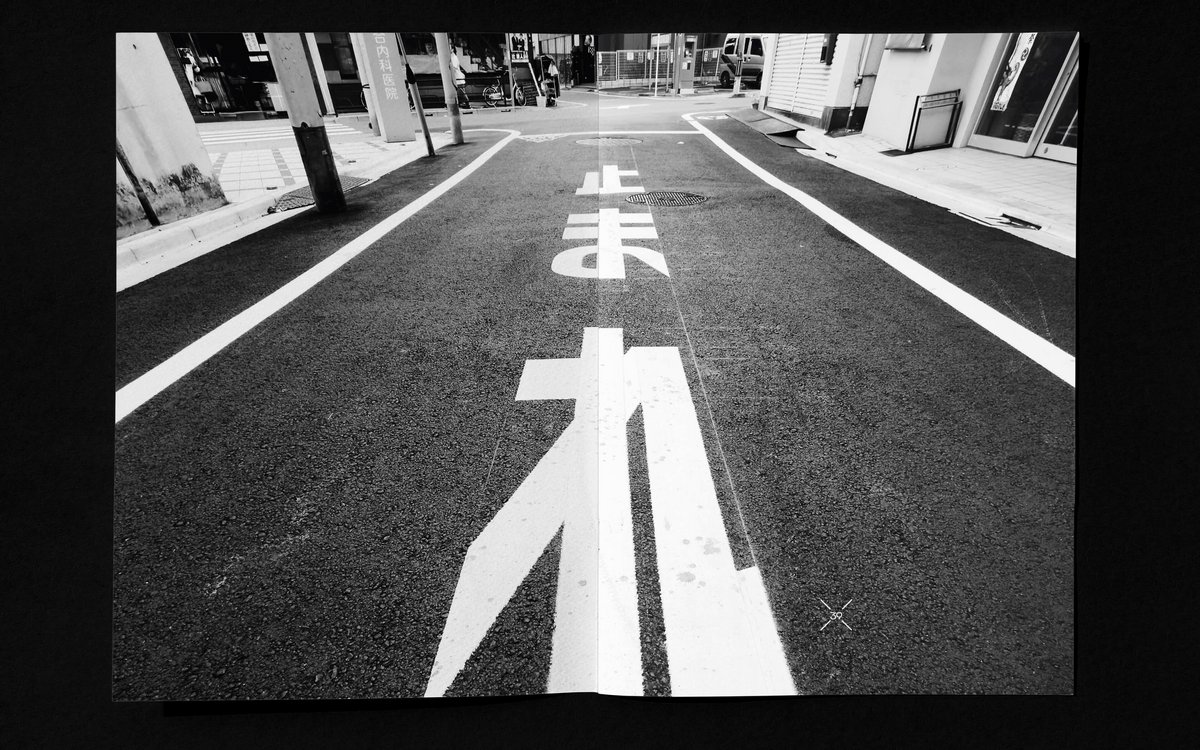
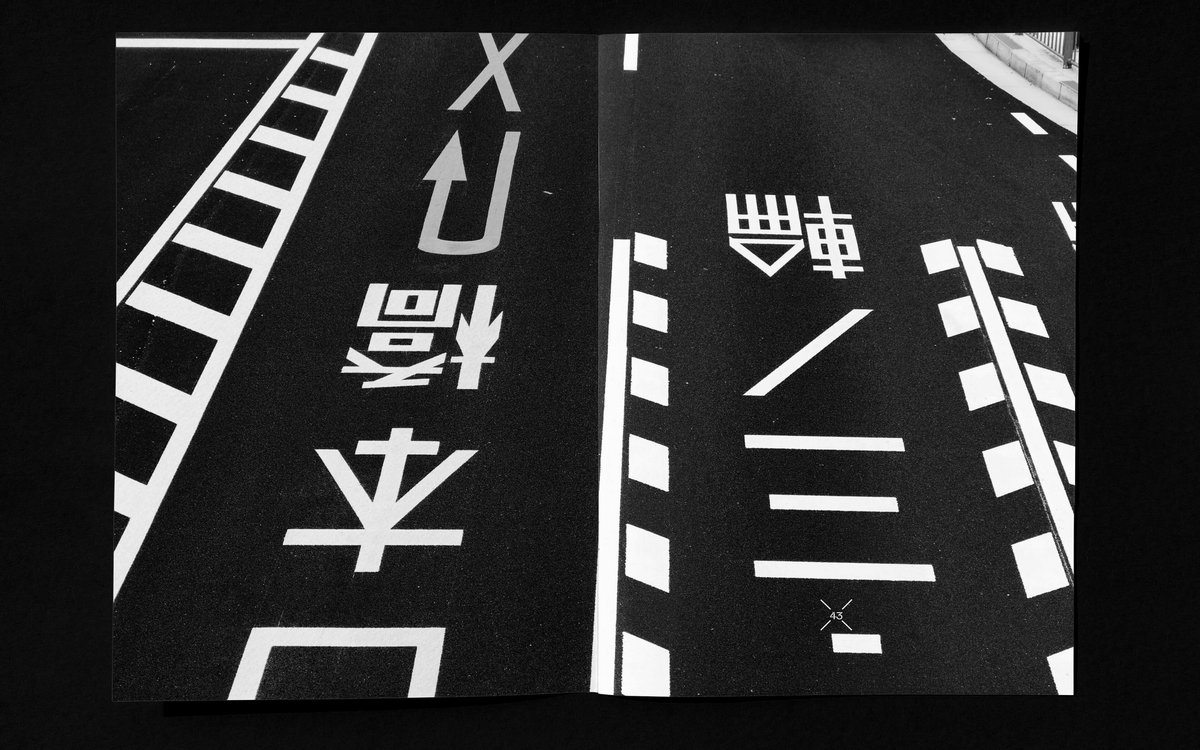
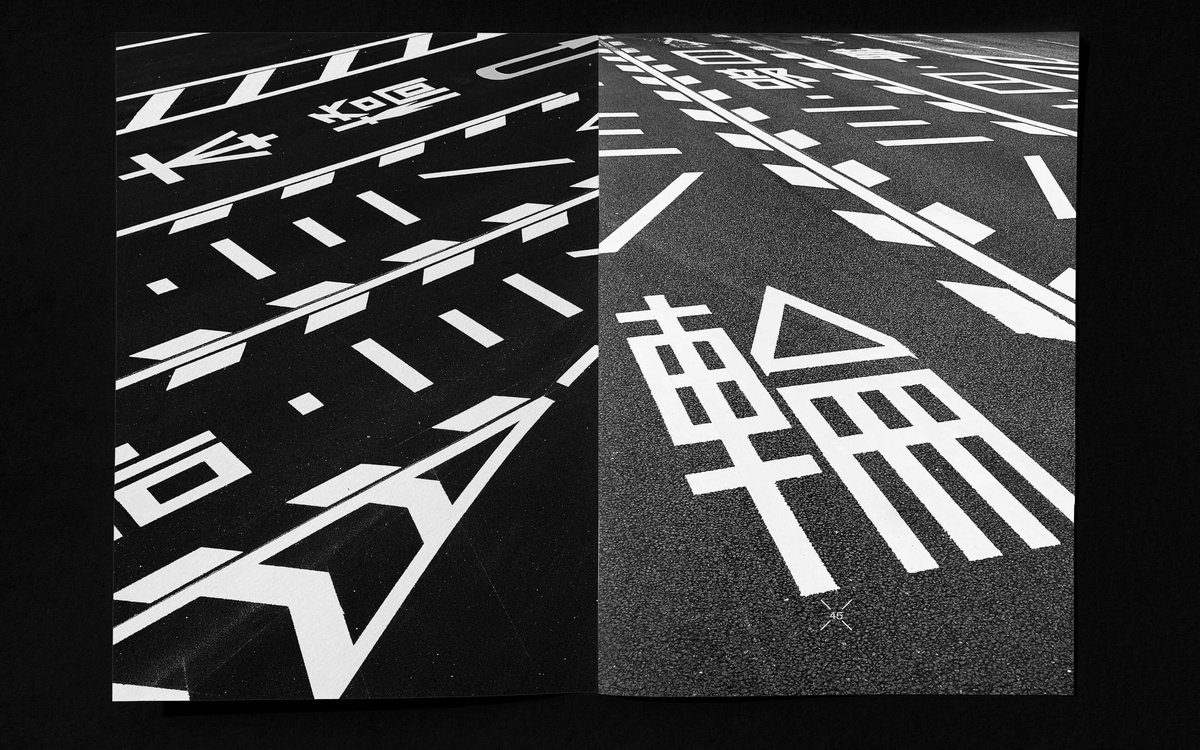
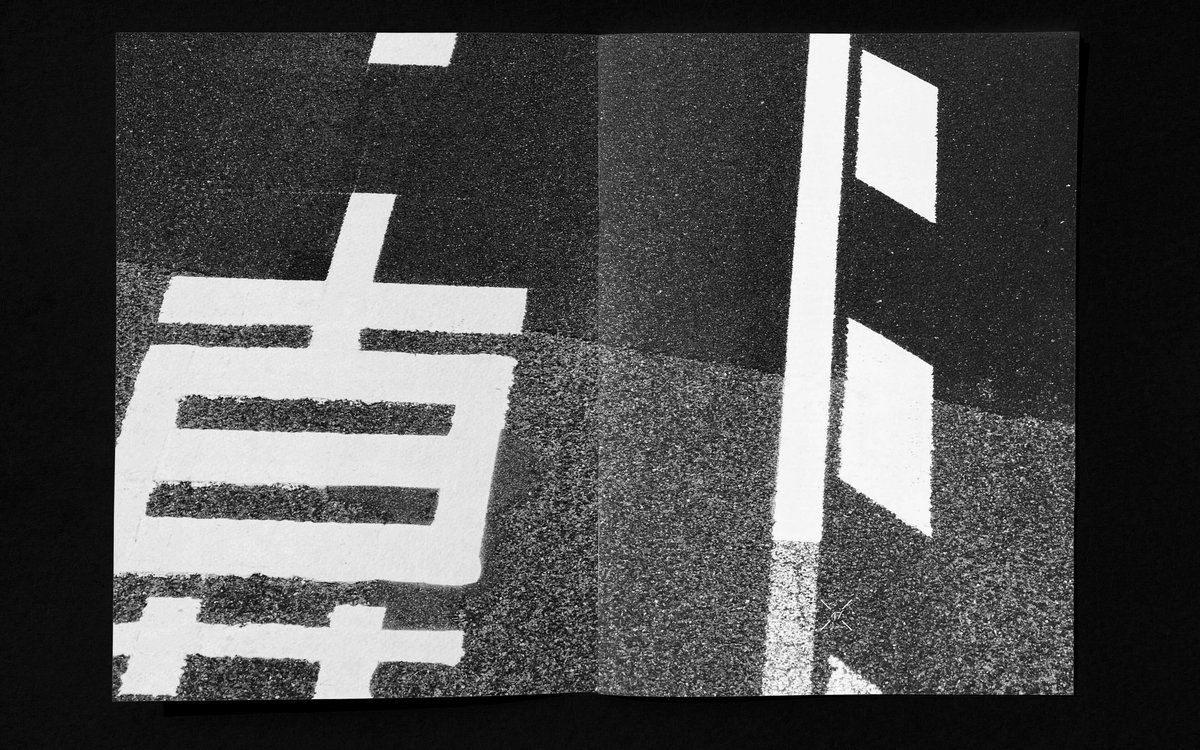
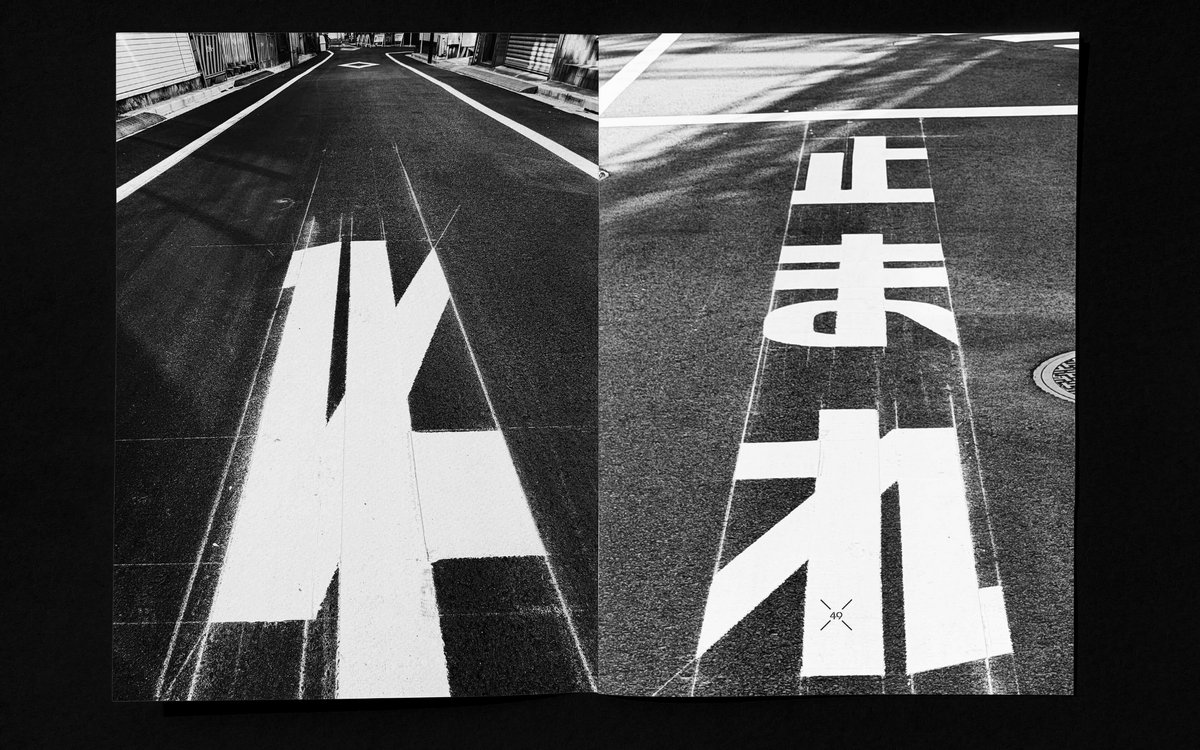
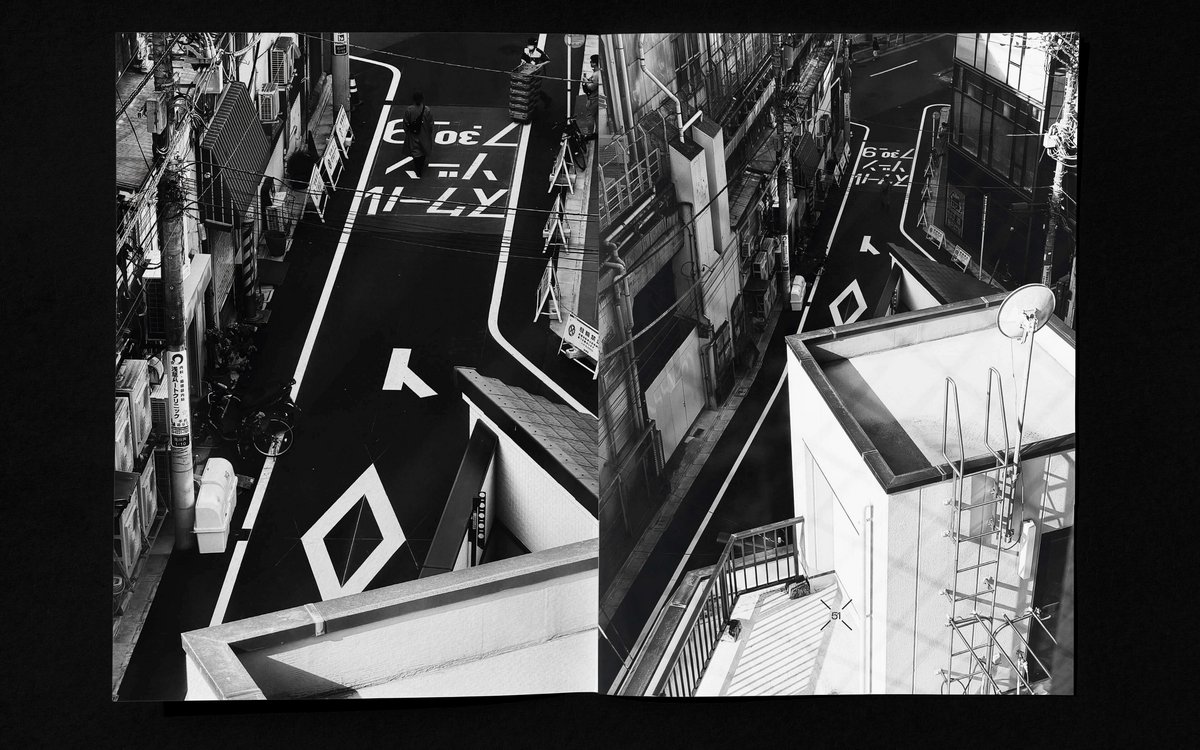
Heavily distorted and not intended for passing pedestrians, anamorphic lettering is a common sight on Tokyo’s streets. What appears unusually stretched from above becomes more compact and legible from a driver’s lower viewing angle. The road itself turns into a projection surface. Alongside official road markings are hōteigai hyōji – additional markings not defined by national regulations, helping to explain the visual variety found across Tokyo. What many have in common is the arrangement of characters one behind another in the direction of travel, and a clear principle: legibility comes before typographic elegance.
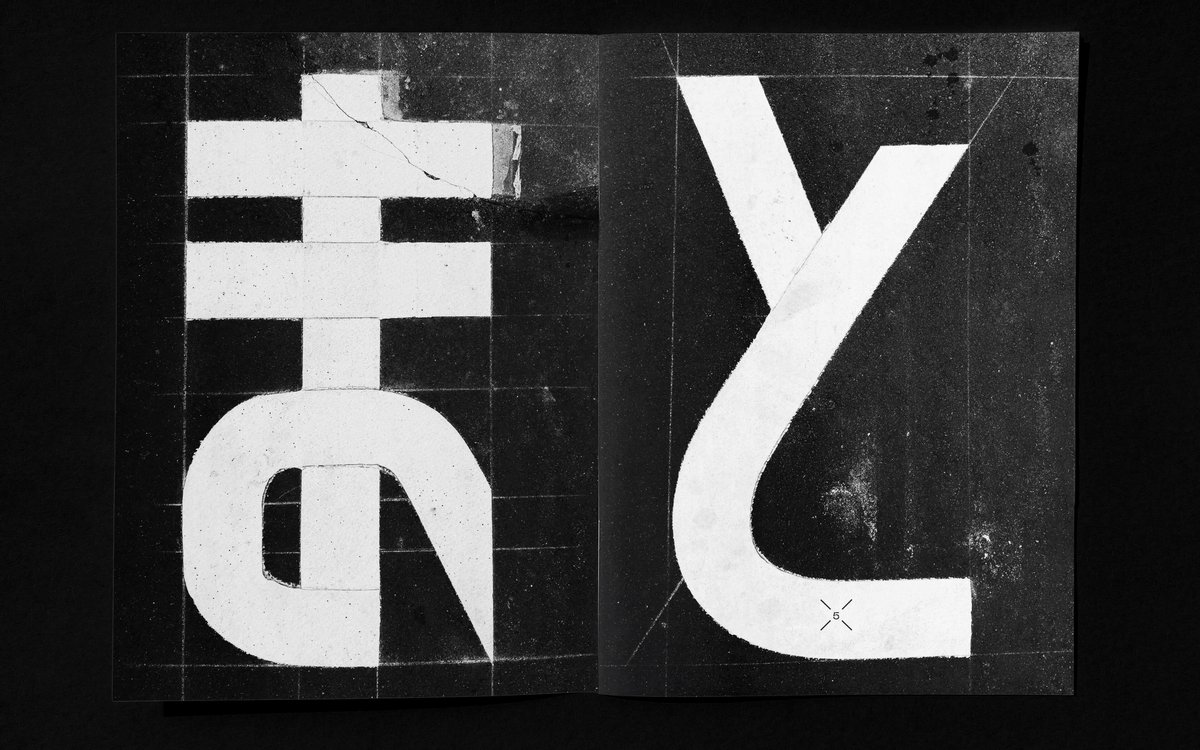
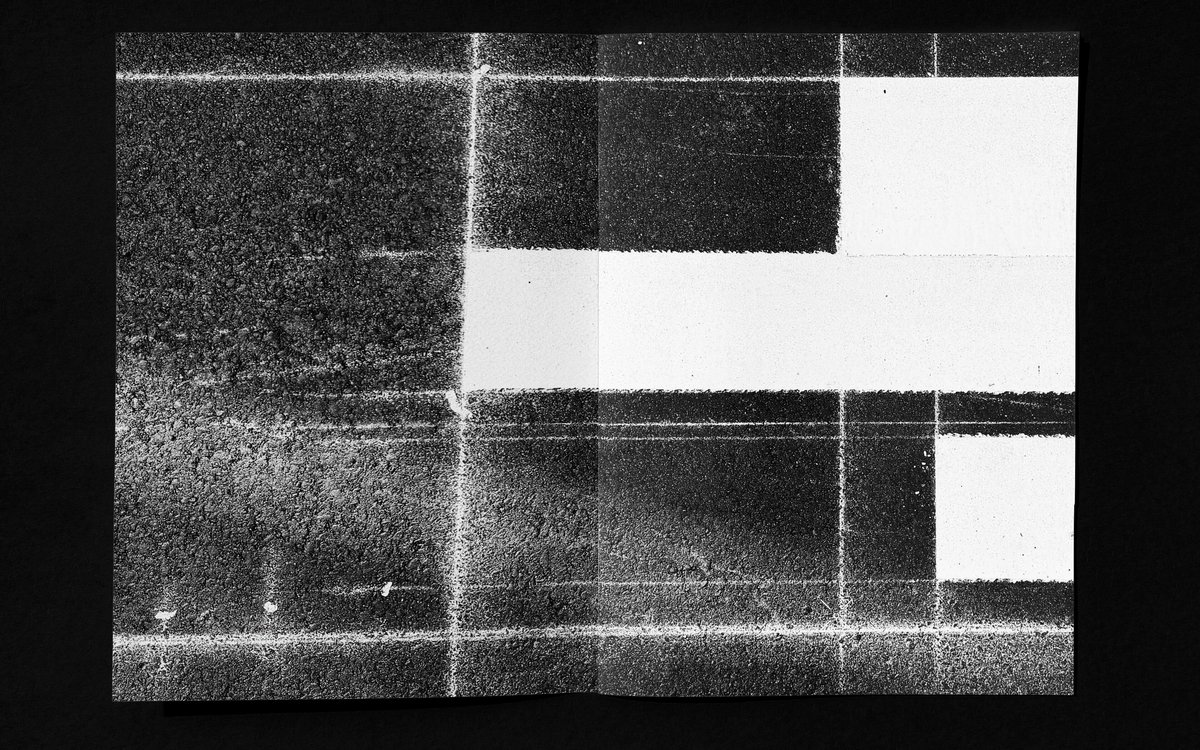
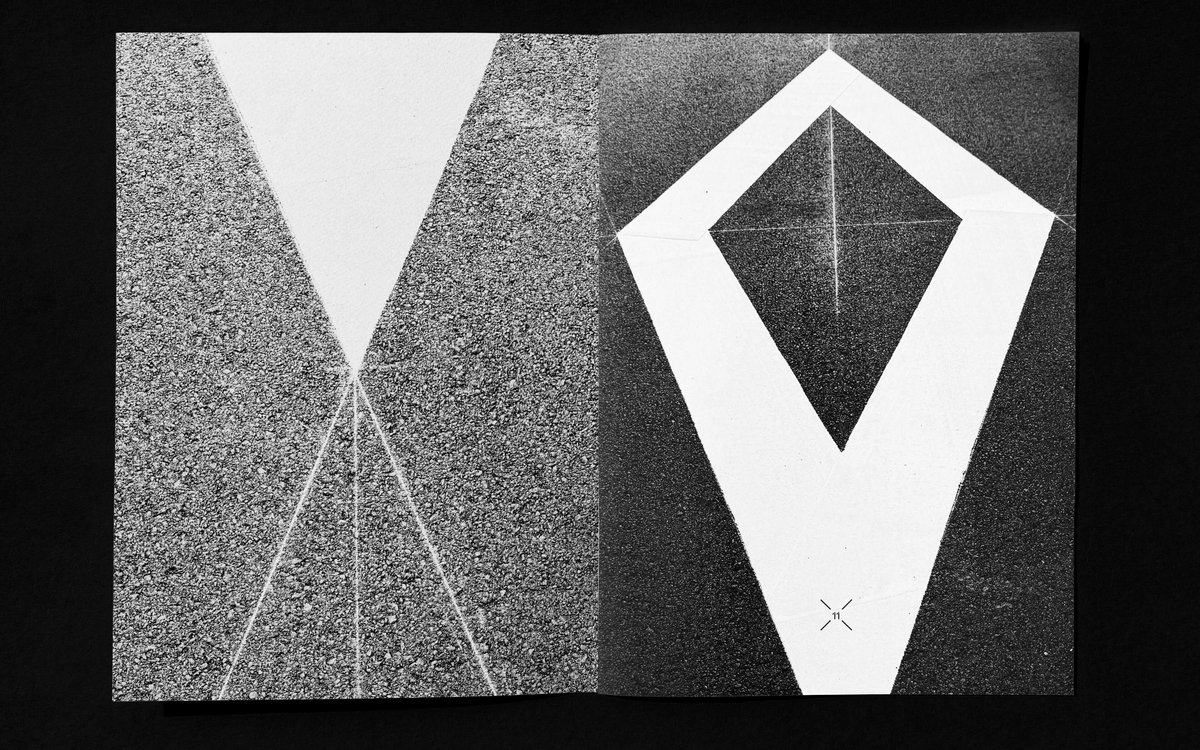
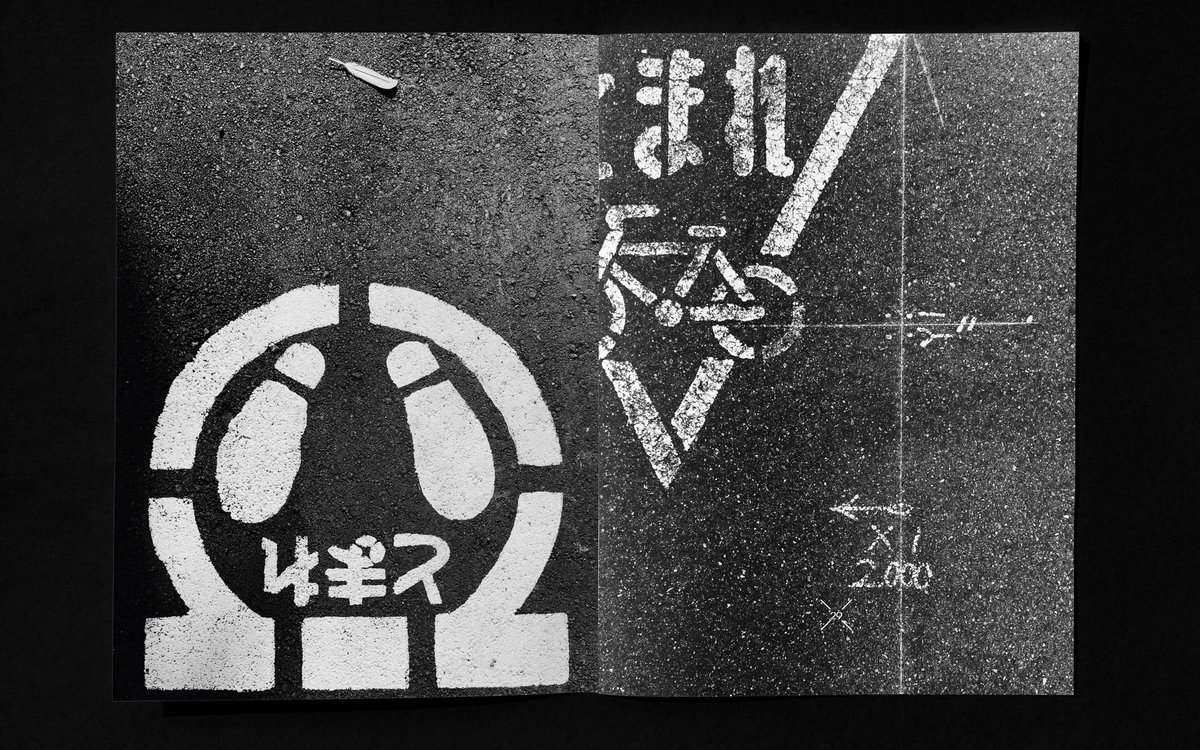
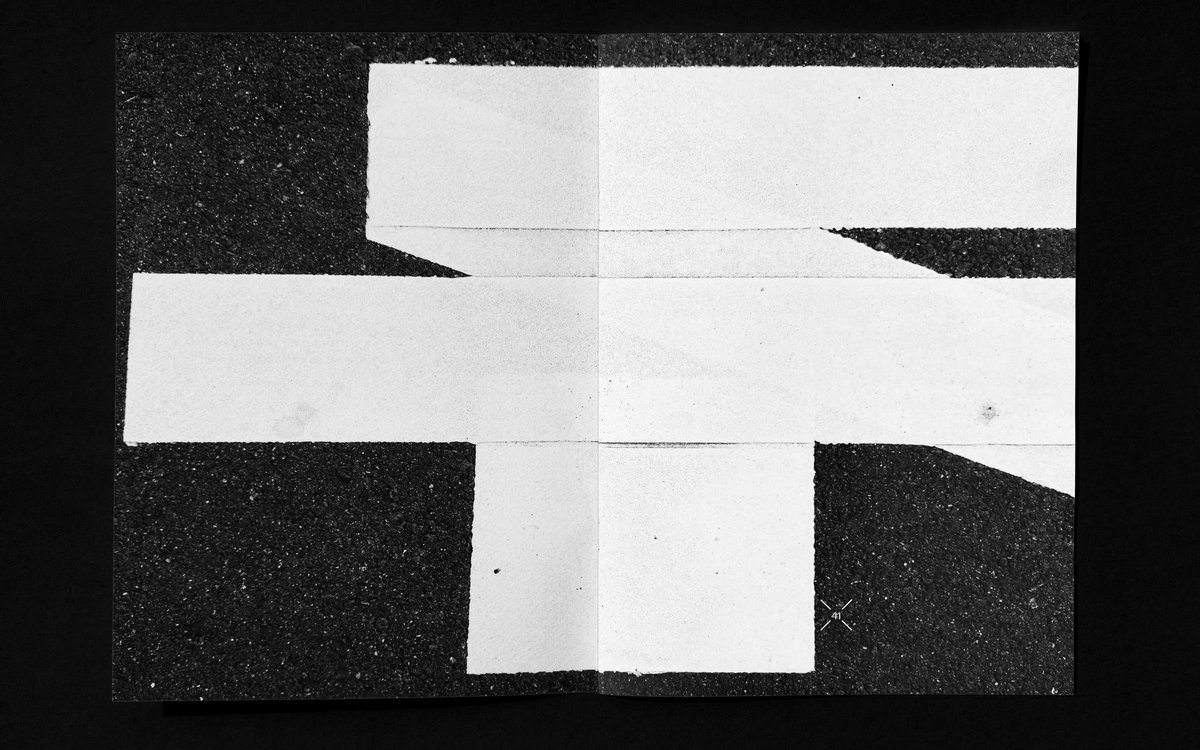
Another striking feature is that the process of making the lettering often remains visible on the street. During the sumidashi stage, guide lines are transferred onto the asphalt with a chalk line before the final marking is applied. A single character can require numerous lines to define axes, boundaries, heights and individual strokes. These construction lines are not removed, but gradually disappear through traffic and weathering. Where markings have been renewed or altered, traces of earlier positions can also remain visible. On some streets, it is therefore possible to read not only the finished lettering, but also part of the process behind its construction.
A publication in the Tokyo Bento series
Edition of six zines in a polystyrene sushi container
52 pages, digital print
Print run: 6 copies
2026, printed in Japan
Other titles in the series:
Letter Forms
Tape Town
Tokyo Zombie
Tokyo after Dark
Tree Spotting