Main content
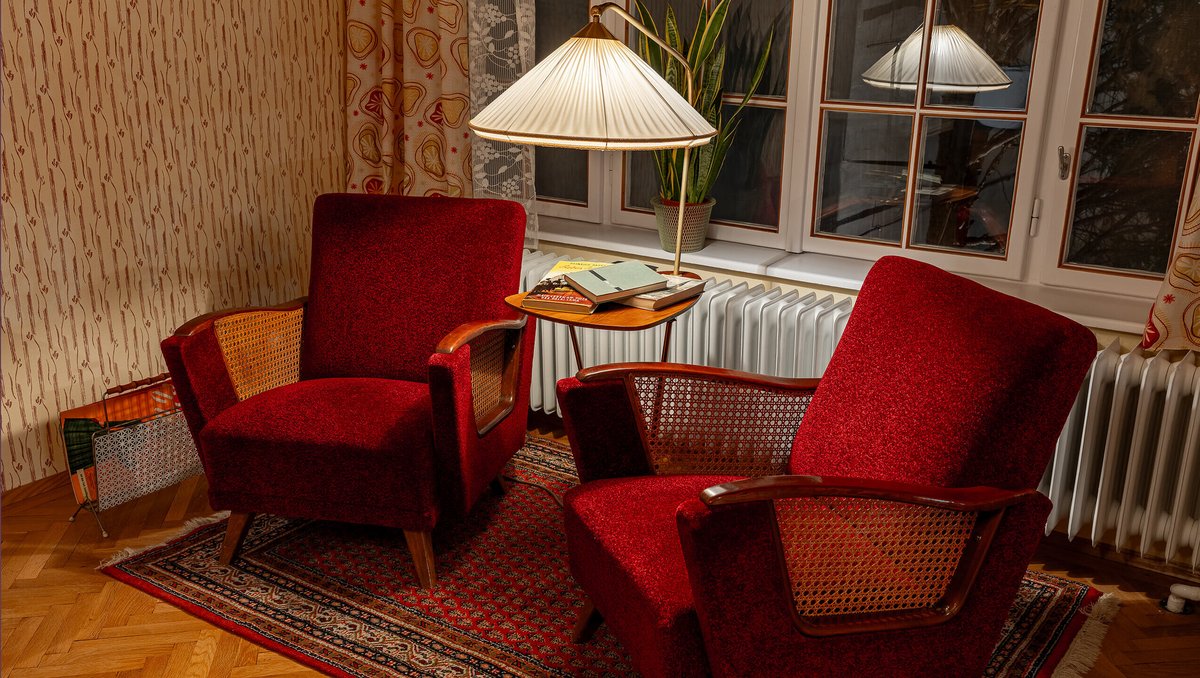
Stadtvilla Eisenstadt
On 30 April 2025, Eisenstadt marked the centenary of its designation as the capital of Burgenland, Austria’s youngest federal state. On this occasion, I was commissioned by the city to curate and design the permanent exhibition for the new municipal museum. The museum is housed in a former physician’s villa at Pfarrgasse 20, one of the oldest streets in the heart of the city.
Explore the publication
Dating from the early 1950s, the building itself established the chronological framework for the exhibition, which focuses on the period following the end of the war and the withdrawal of Soviet occupation forces—a time in which the young provincial capital began to experience its first sustained phase of growth and renewal.
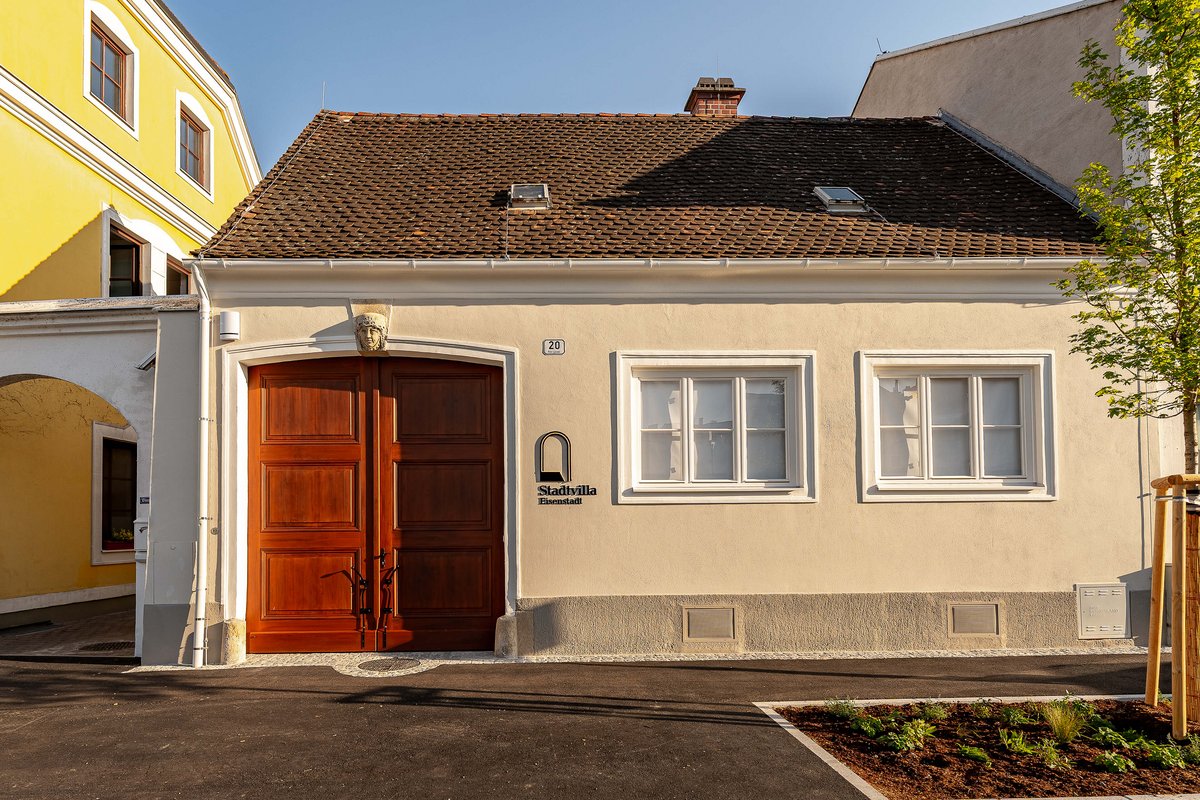
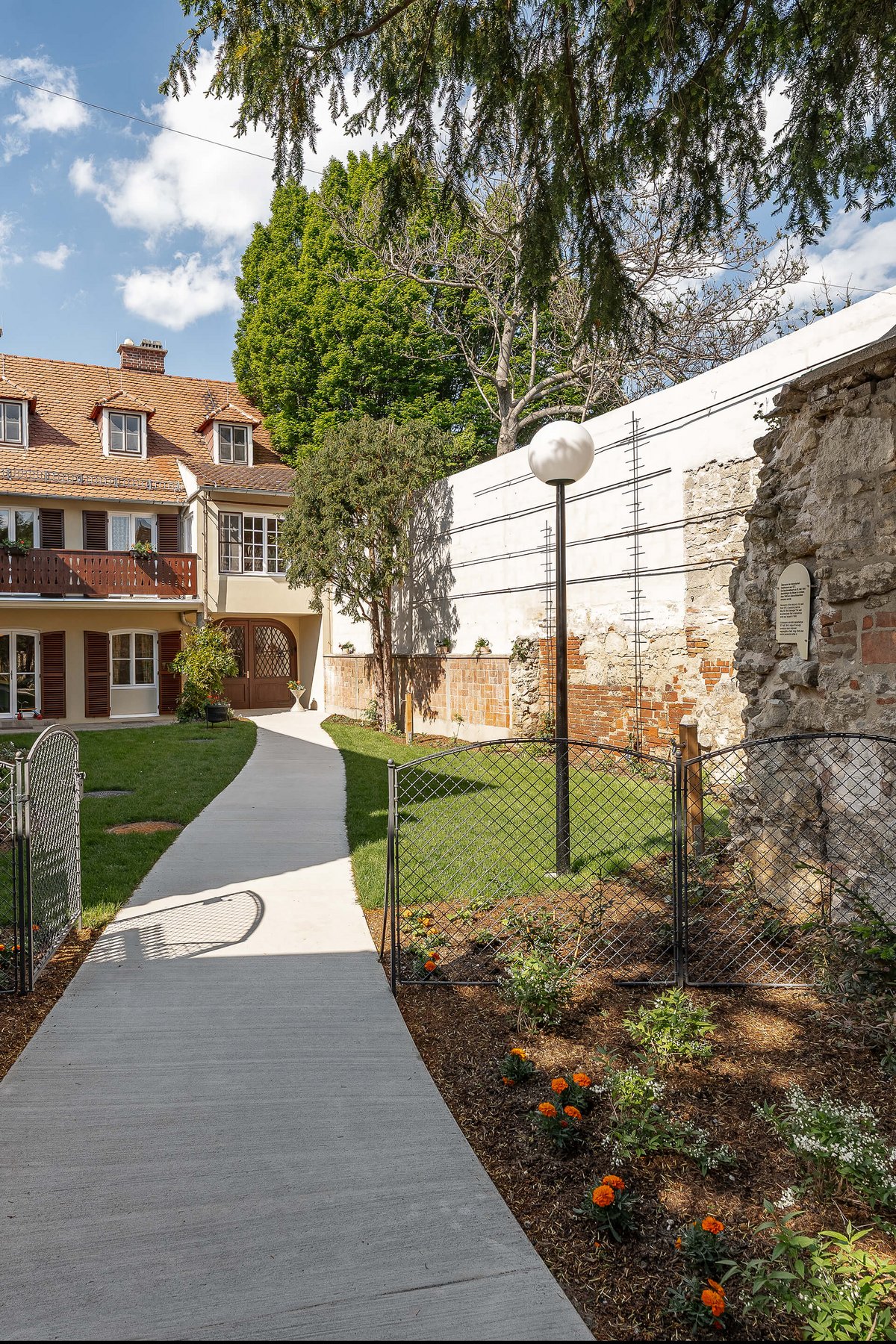
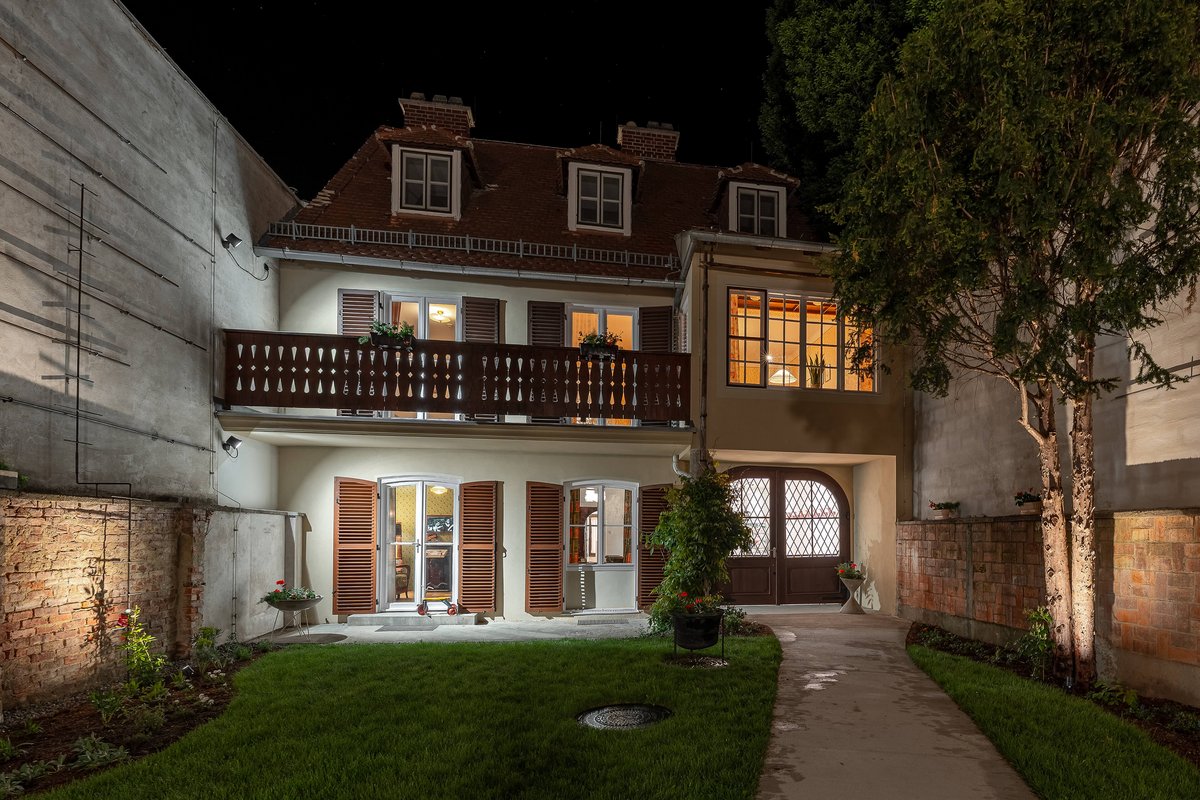
From the street, nothing of the museum’s contemporary architecture can be discerned behind its modest, characteristically understated façade. Nor does it betray the presence of the expansive garden beyond, where surviving sections of the city wall form an integral part of the museum ensemble.
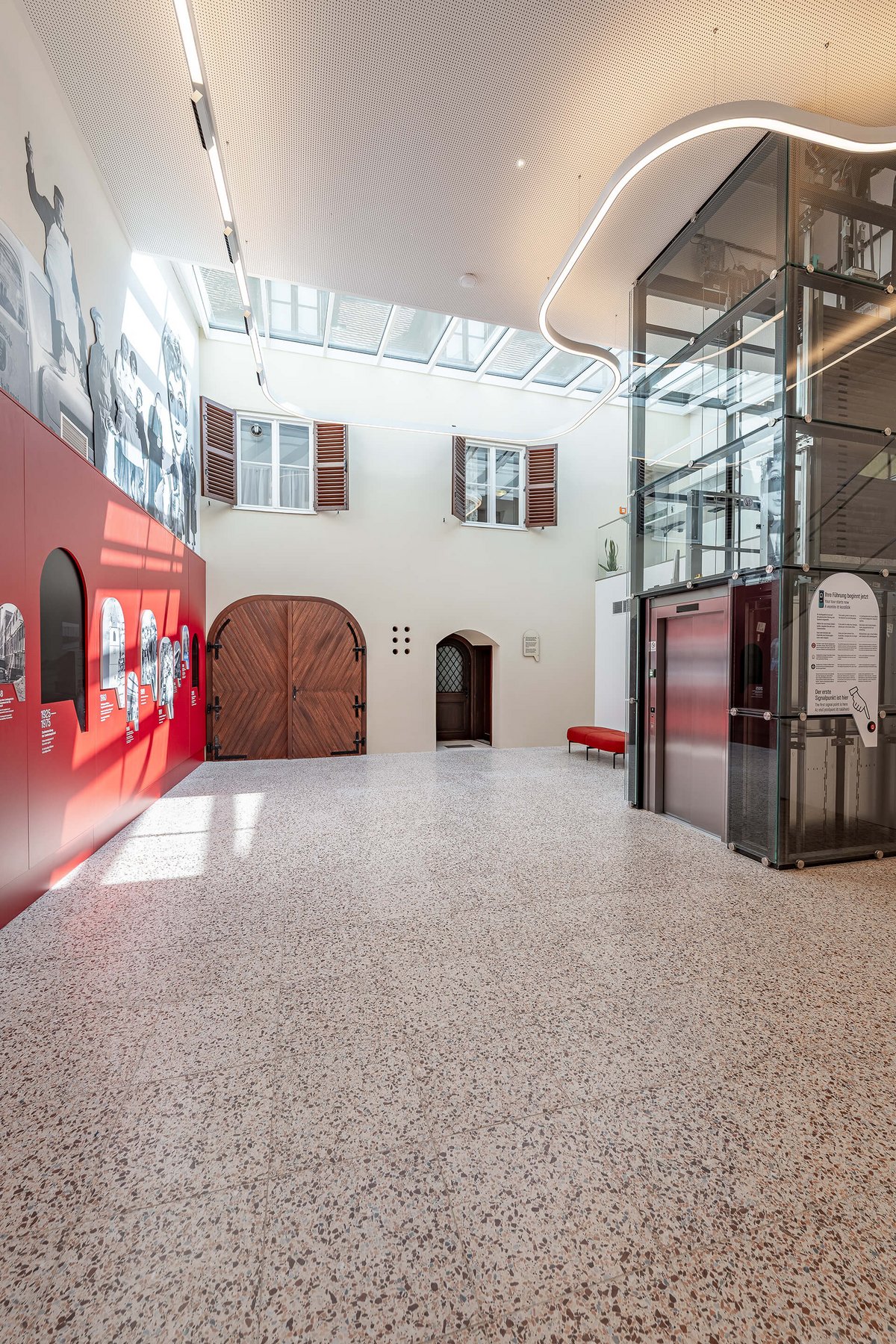
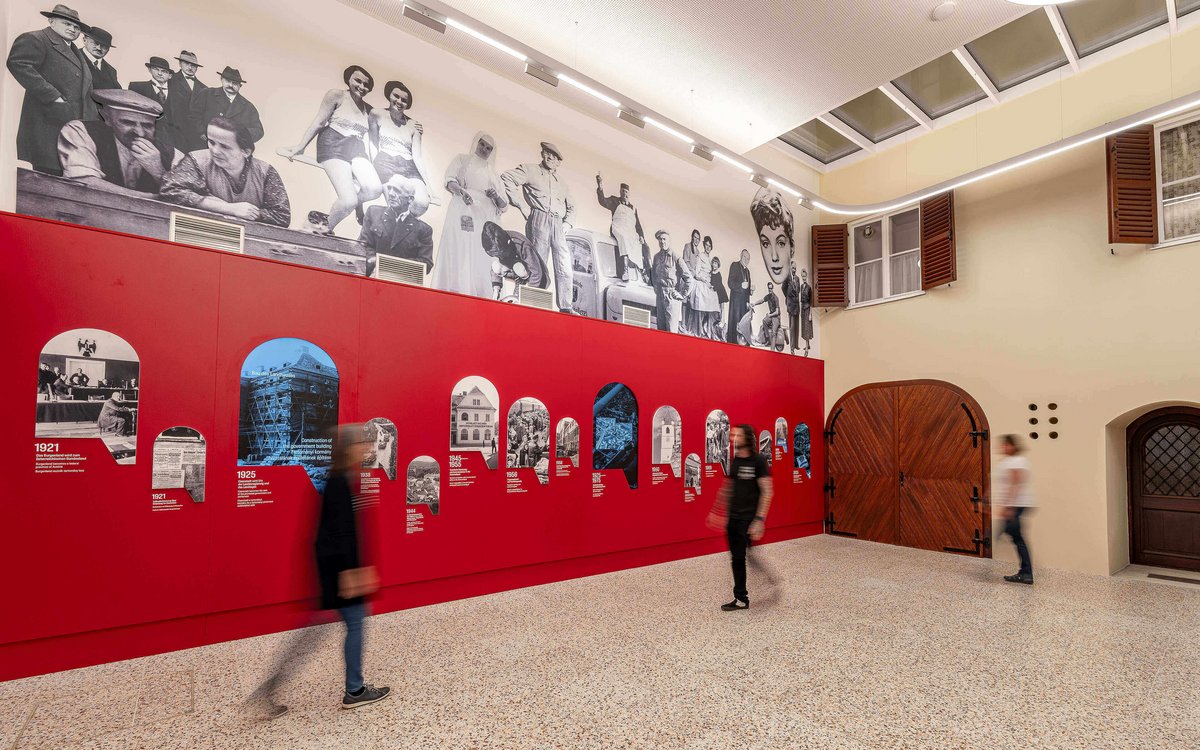
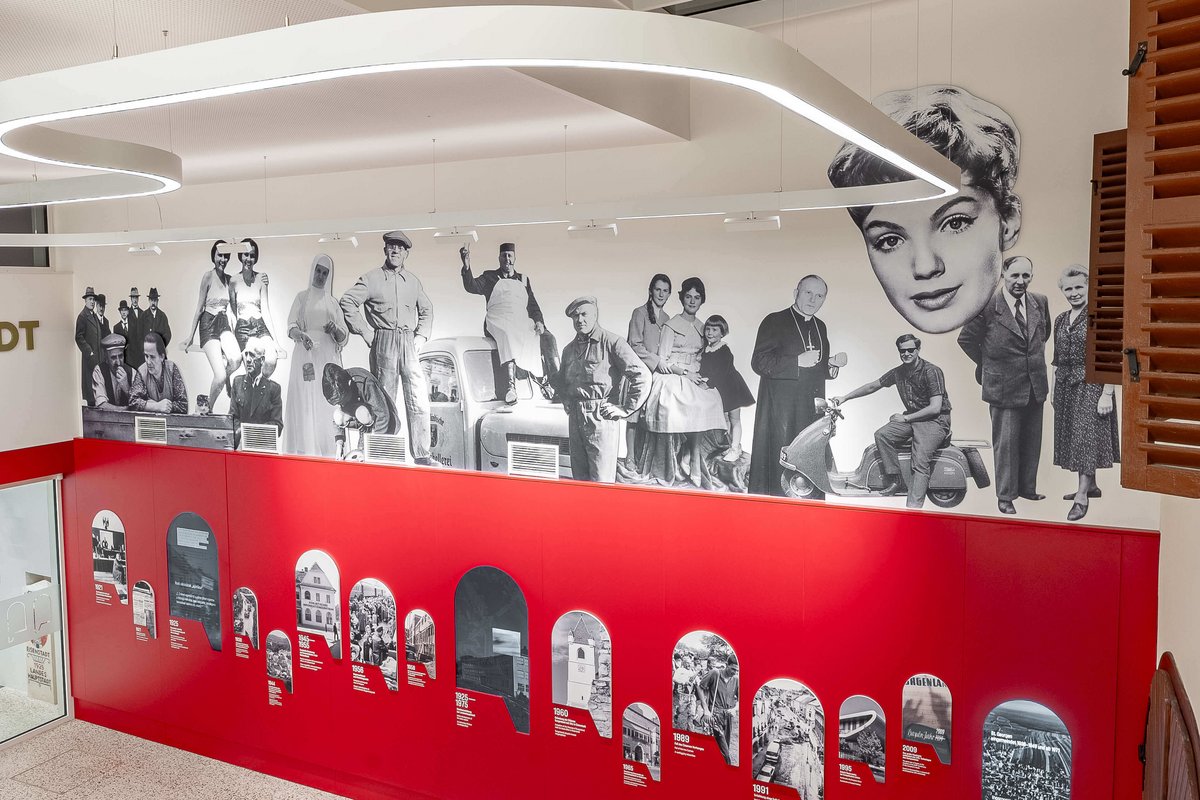
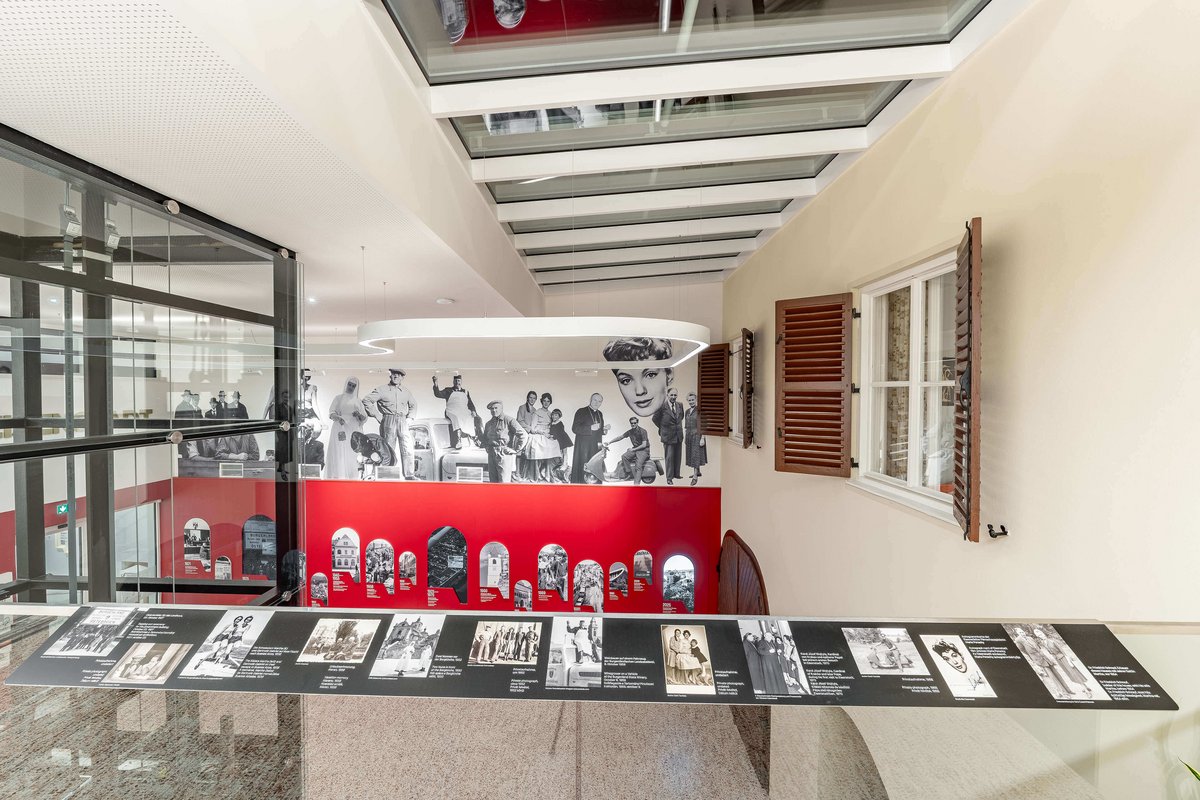
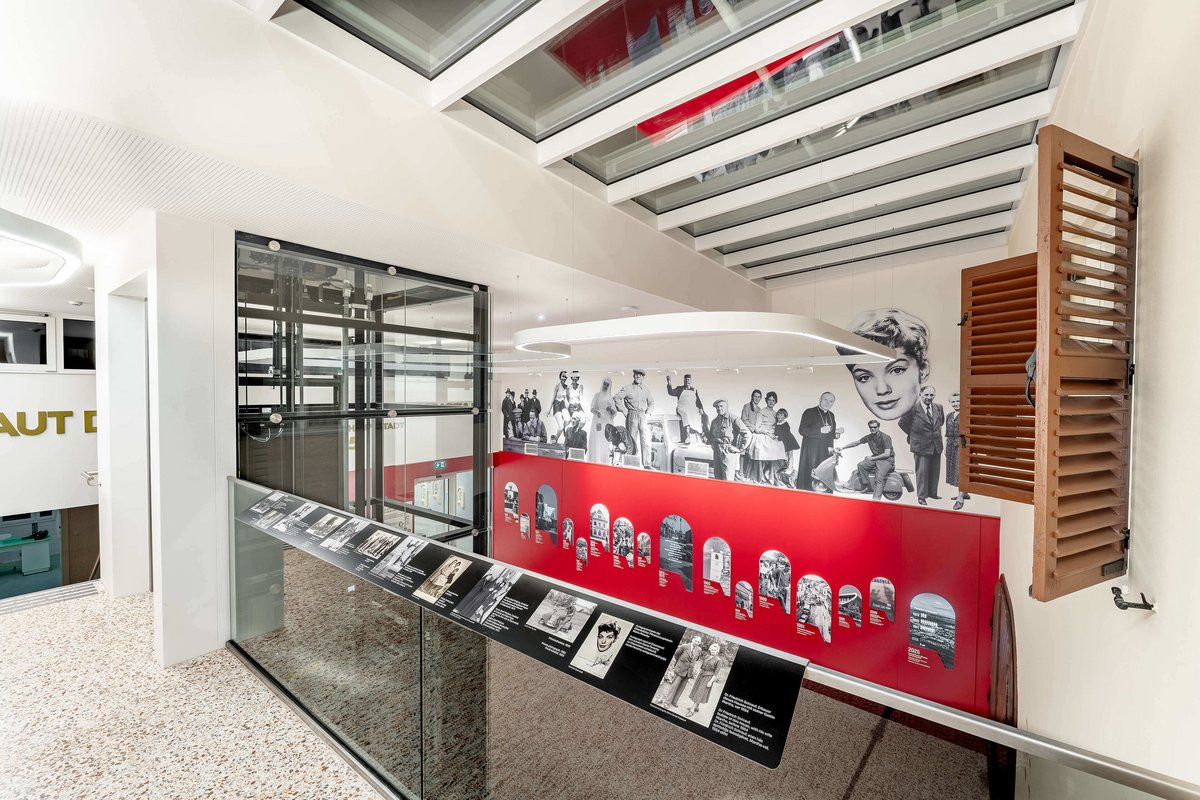
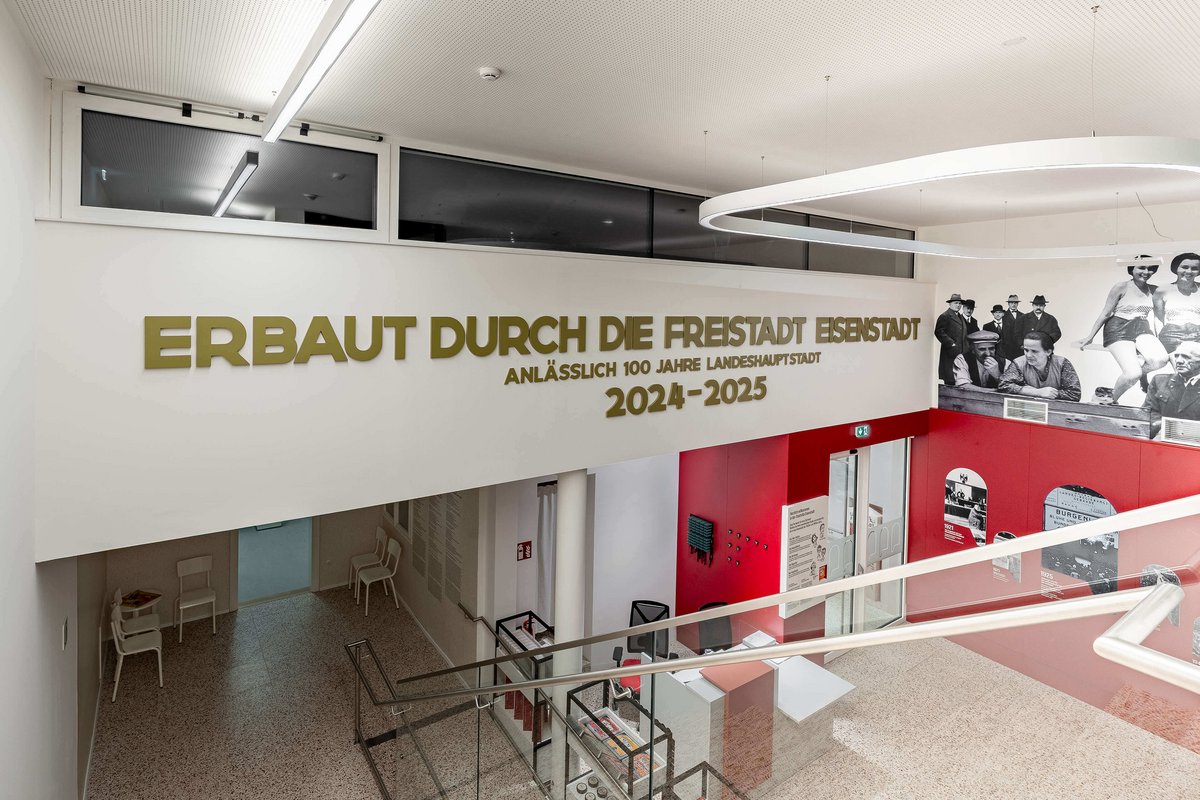
The former inner courtyard of the building was roofed over and converted into a spacious, light-filled hall, where a timeline presents the key stages in the city’s development. Above it looms a large-format panoramic collage featuring photographs of both prominent figures and ordinary residents of the city.
For it is the history of these ordinary inhabitants that the museum seeks to convey.
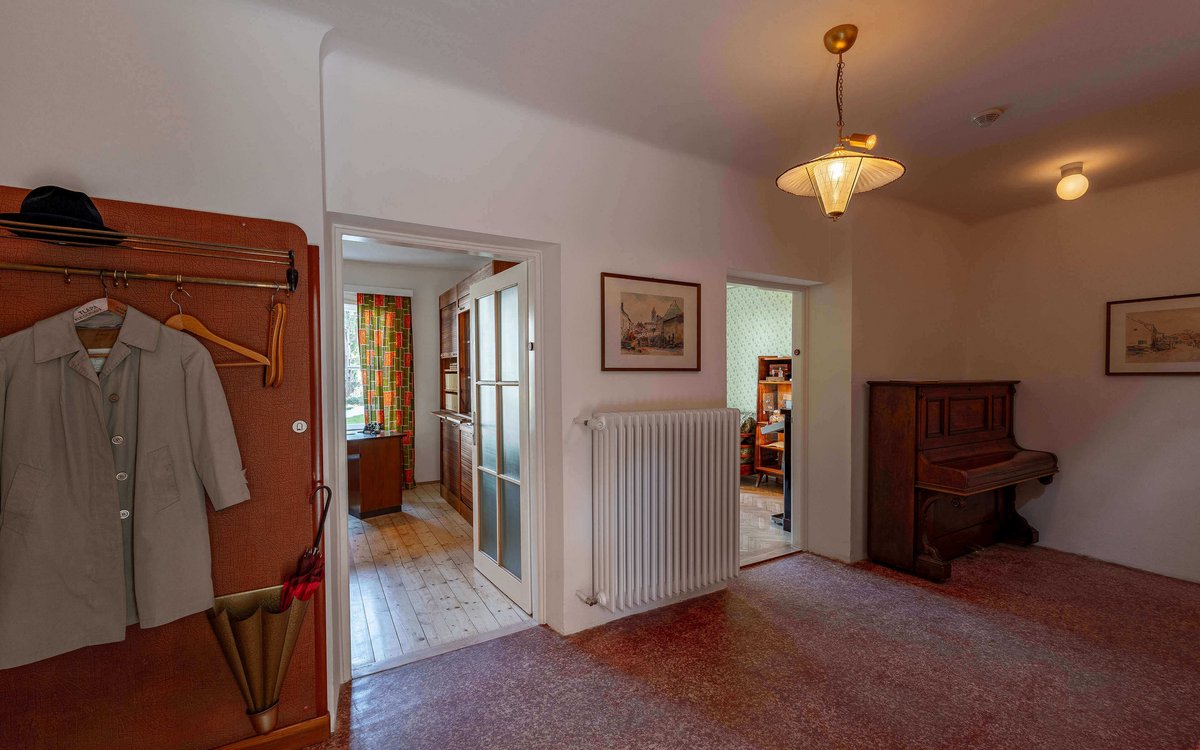
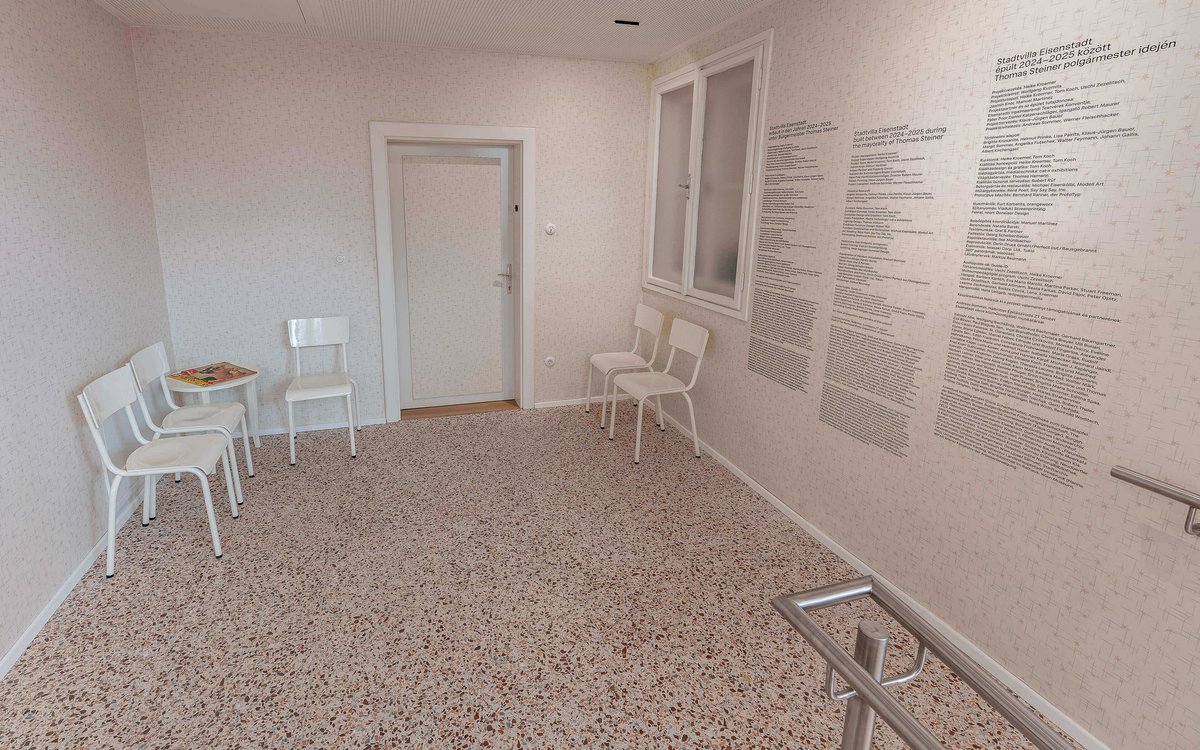
Inside the building, visitors step into “another world.” There is little in the way of conventional museum labelling, and visitors explore the rooms on their own. A lighting concept inspired by film sets creates the impression that the residents have only just left the house. The storytelling follows a doubly innovative approach.
For one, the particularly compact and user-friendly audio guides by Guide.ID from the Netherlands were used in Austria for the first time. They assume the narrative role within the interpretive programme, providing introductory texts for each room as well as in-depth information on selected objects.
In addition, visitors can choose from five different tours and receive the corresponding audio guide at the ticket desk. Standing in for the many residents of Eisenstadt, five fictional protagonists recount, from their own perspectives, how they experienced the city‘s development. These characters are rooted in real-life stories.
Historical facts, anecdotes, and both history and storytelling combine to create a vivid portrait of Eisenstadt. The audio guides are available in three languages (German, Hungarian, and English), were recorded by well-known media personalities, and each has a running time of more than an hour.
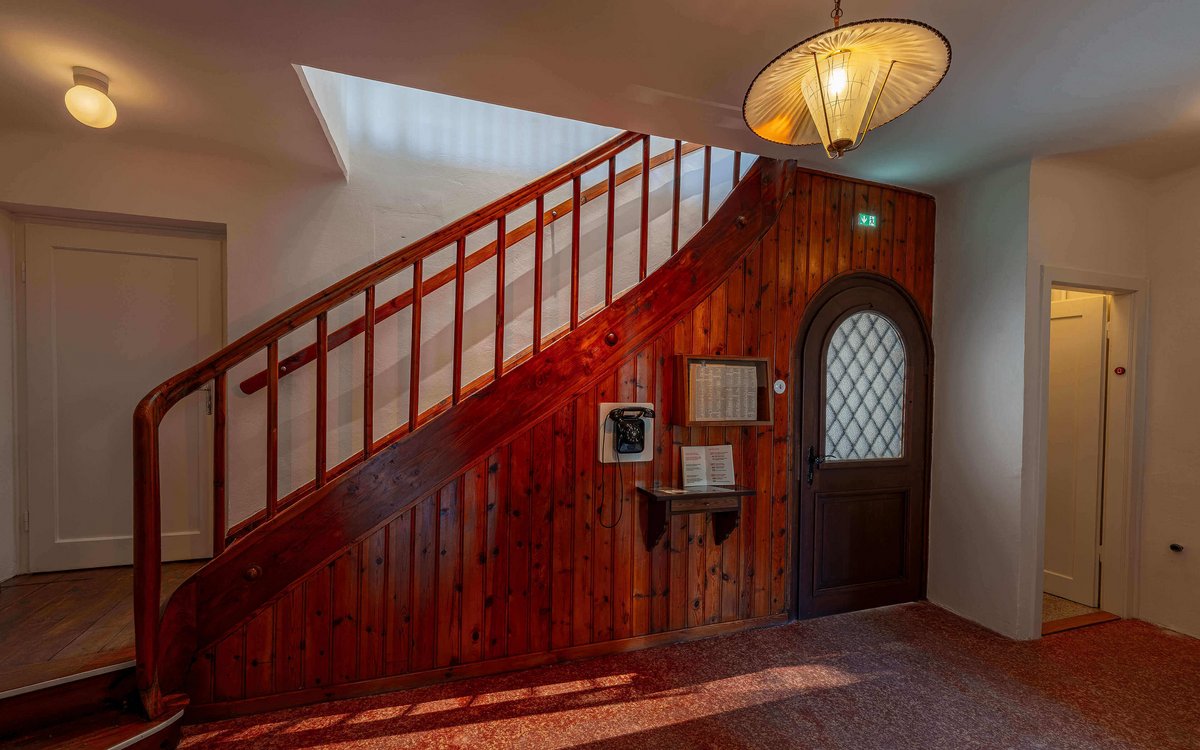
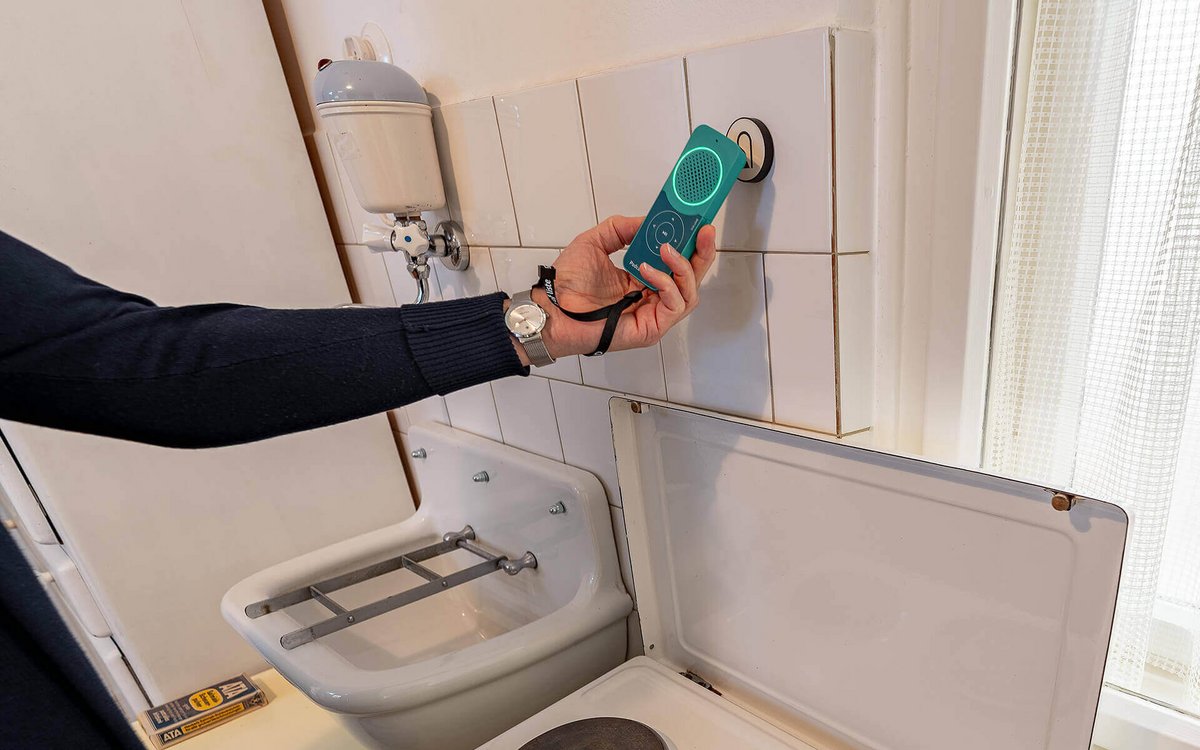
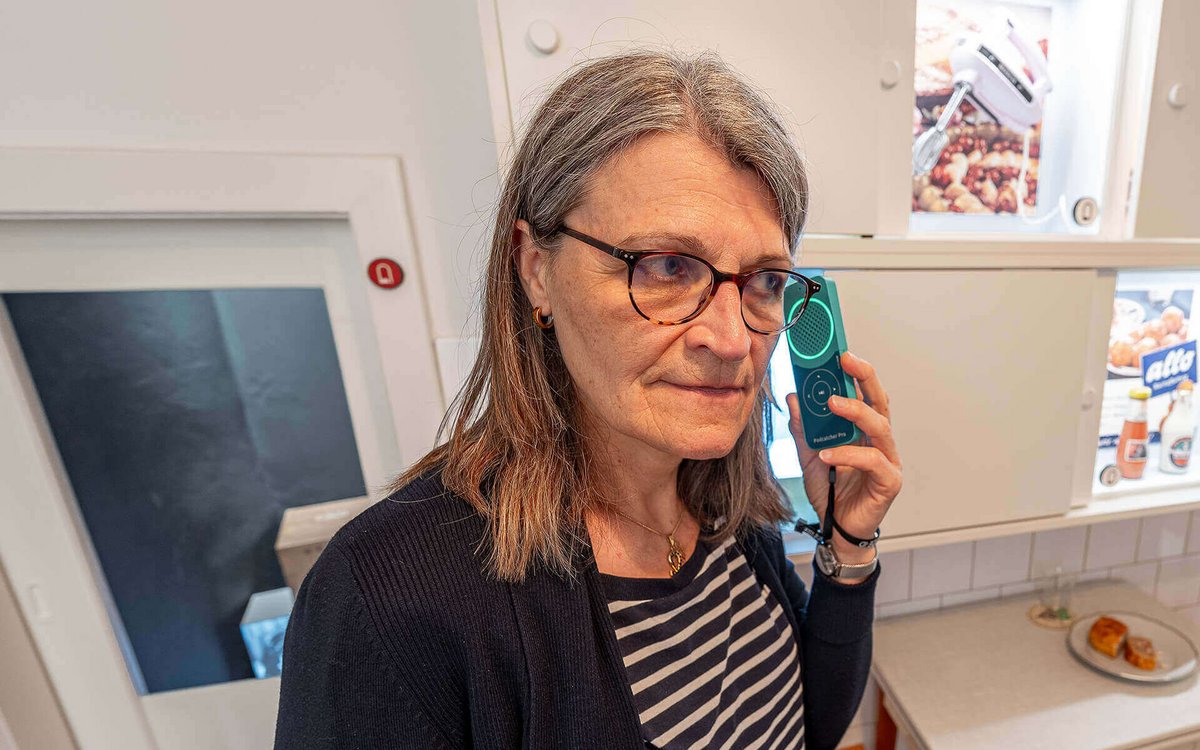
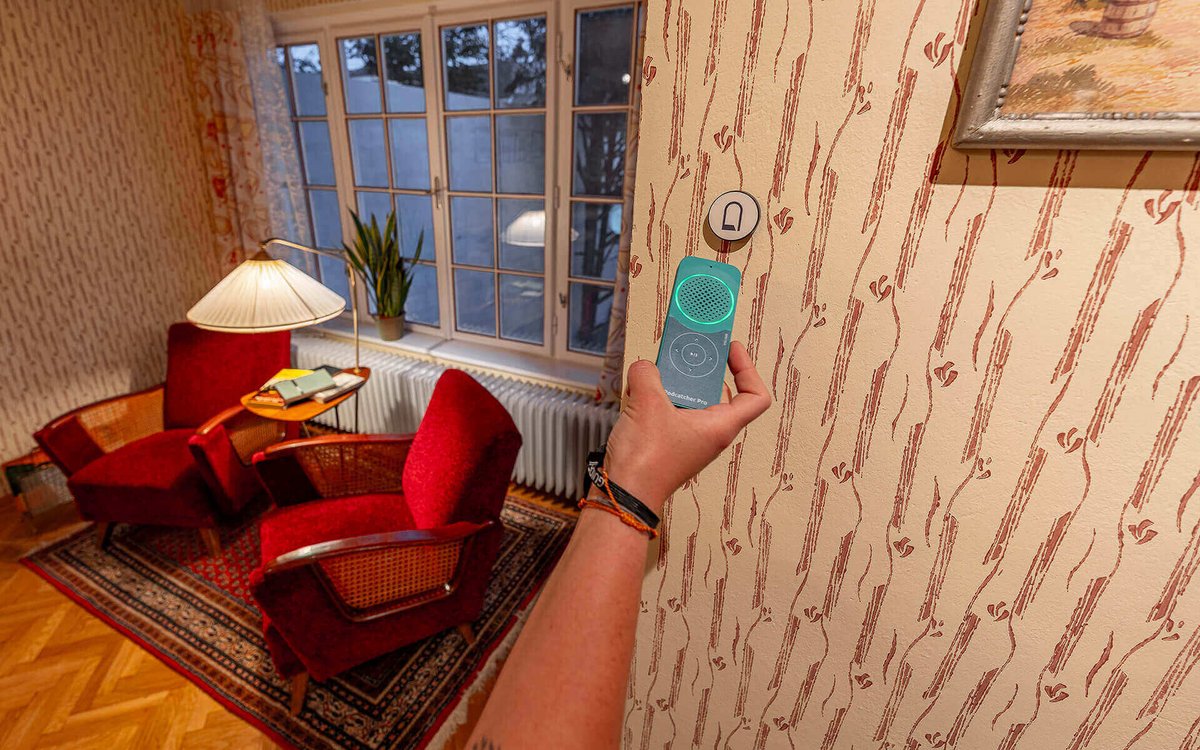
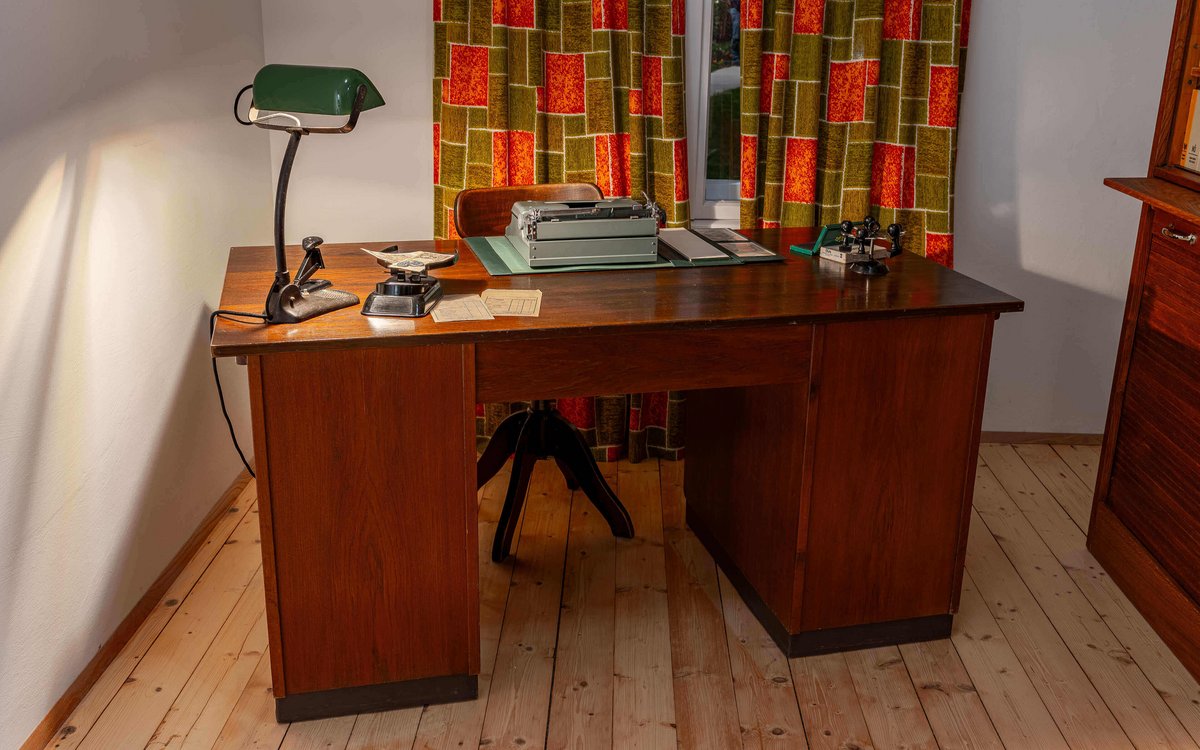
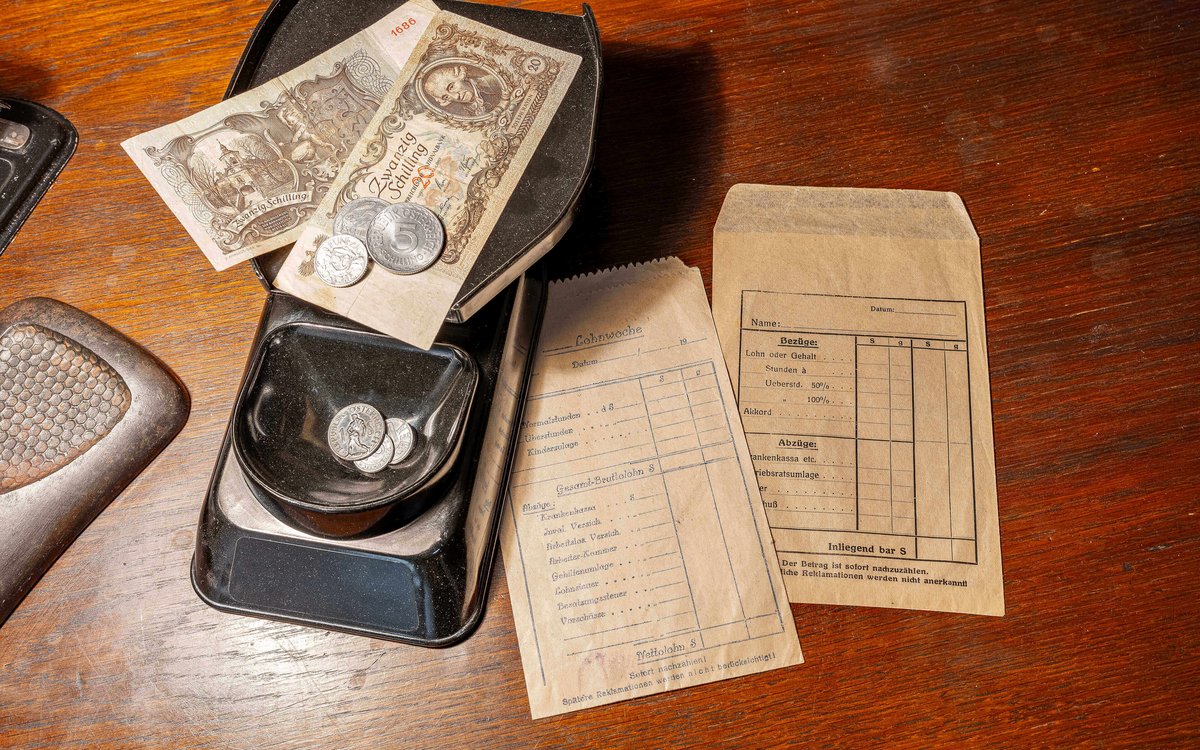
Through their original use, the rooms evoke a range of thematic worlds. The former study, for instance, addresses themes such as the world of work, emigration to America, the role of women in society, and economic development.
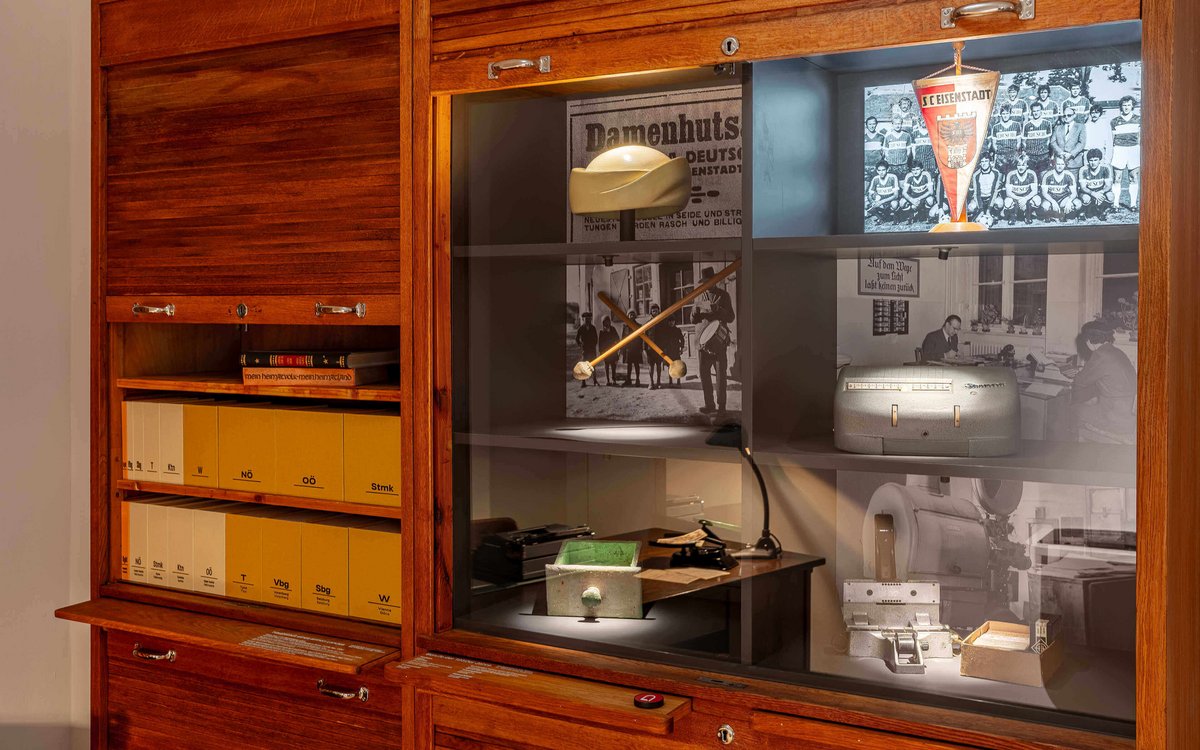
Rather than relying on conventional museum labelling, the more in-depth interpretation is based primarily on multimedia content. The media stations were carefully integrated into the interior, or designed as neutral display furniture that harmonises with the 1950s furnishings without replicating them.
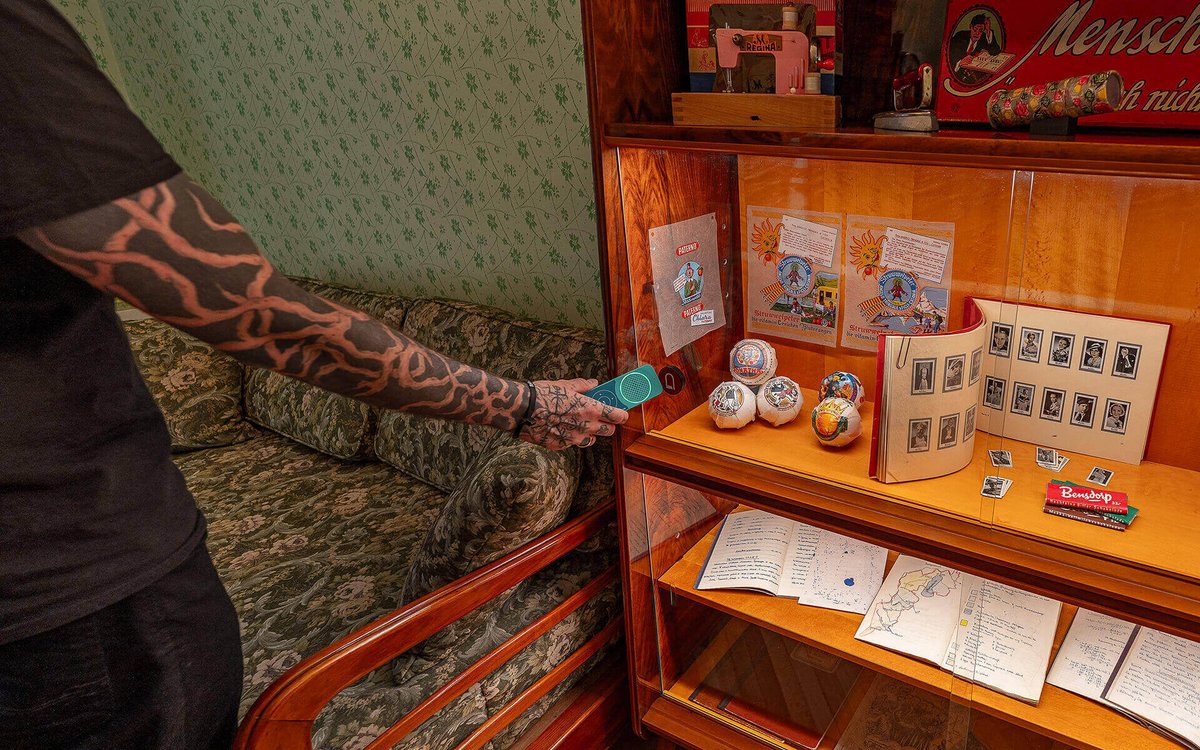
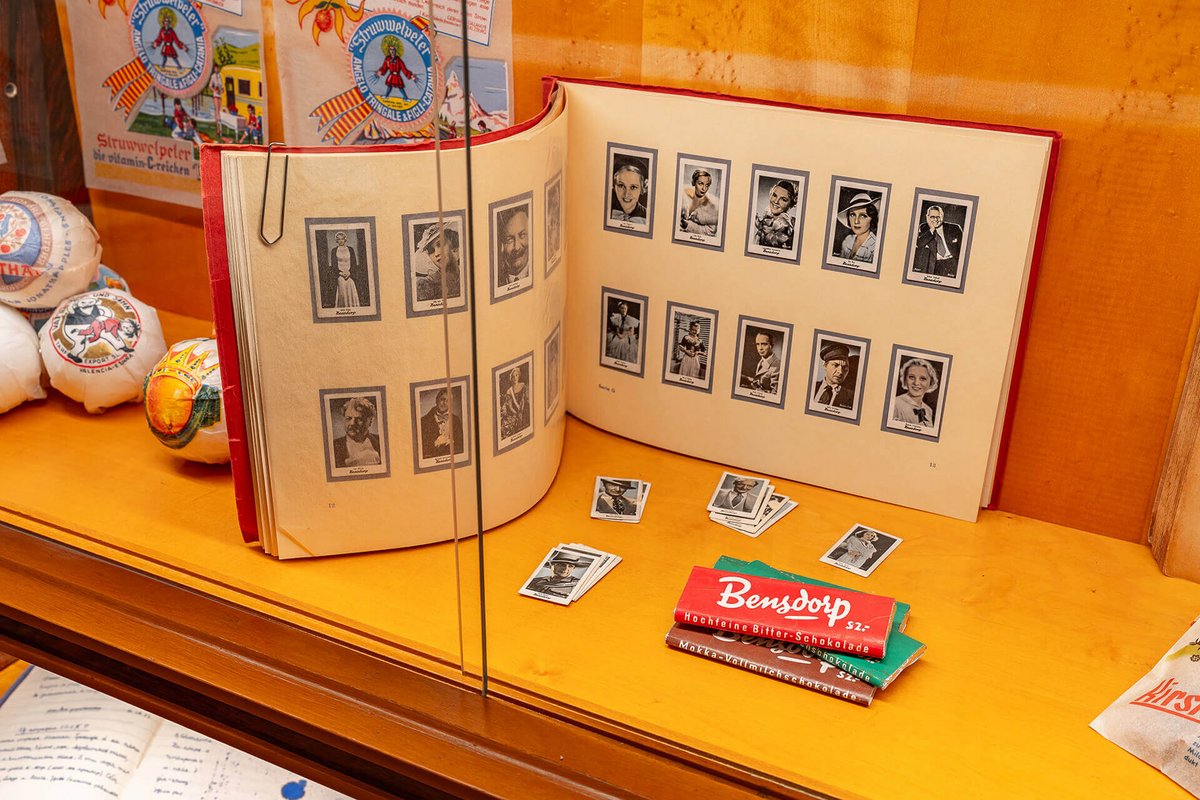
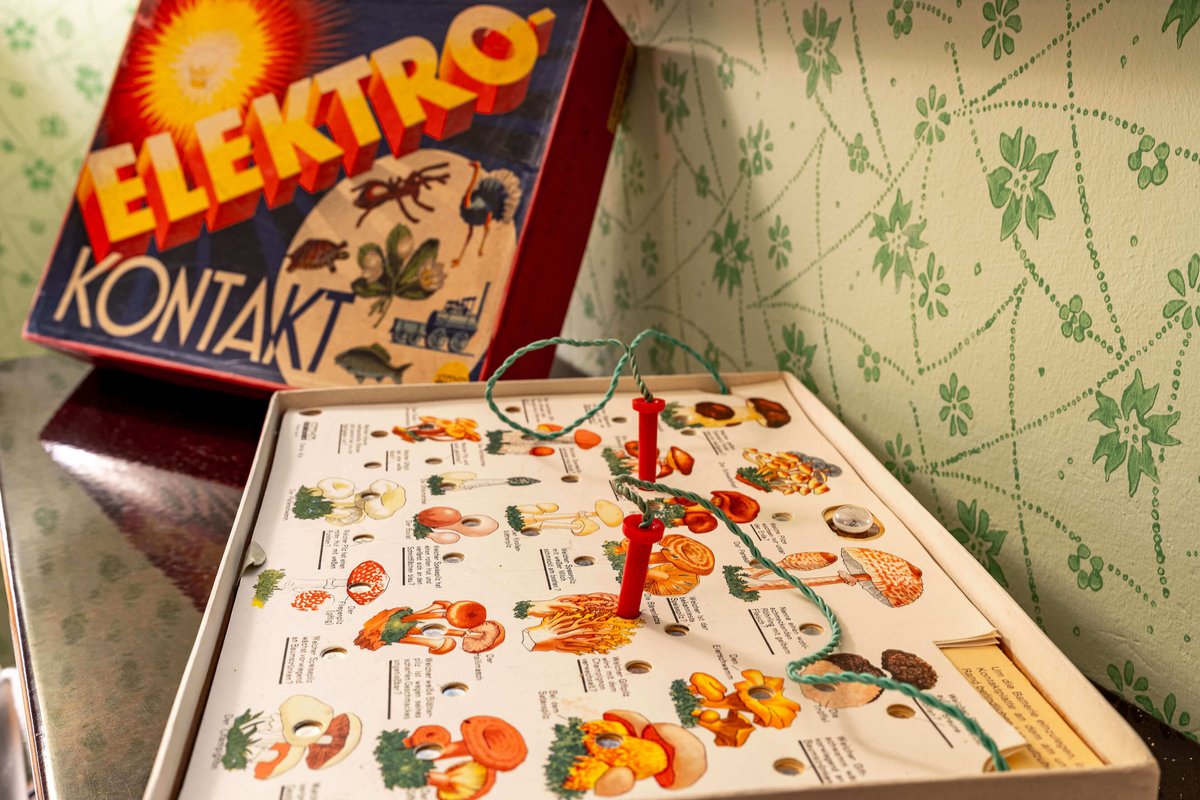
Hands-on stations can be found in all rooms and are indicated by their colour scheme: all white objects in the house—such as the telephone station, the plug-in game, and others—may be touched and used.
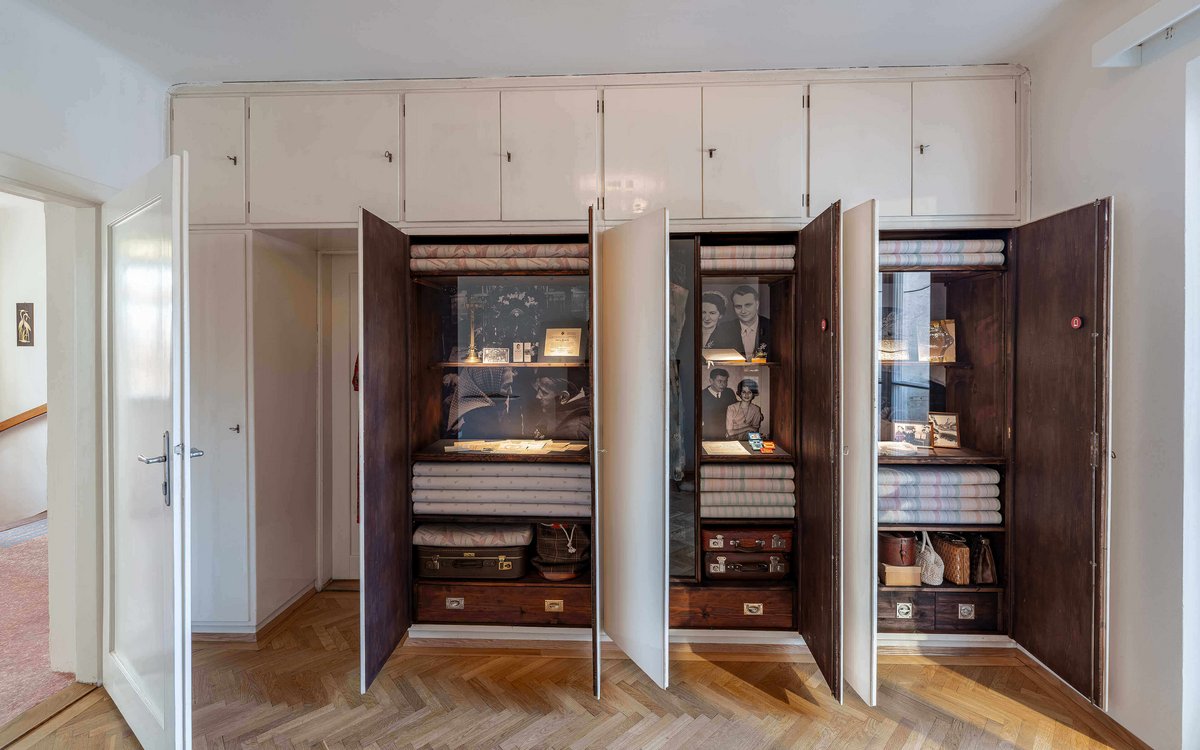
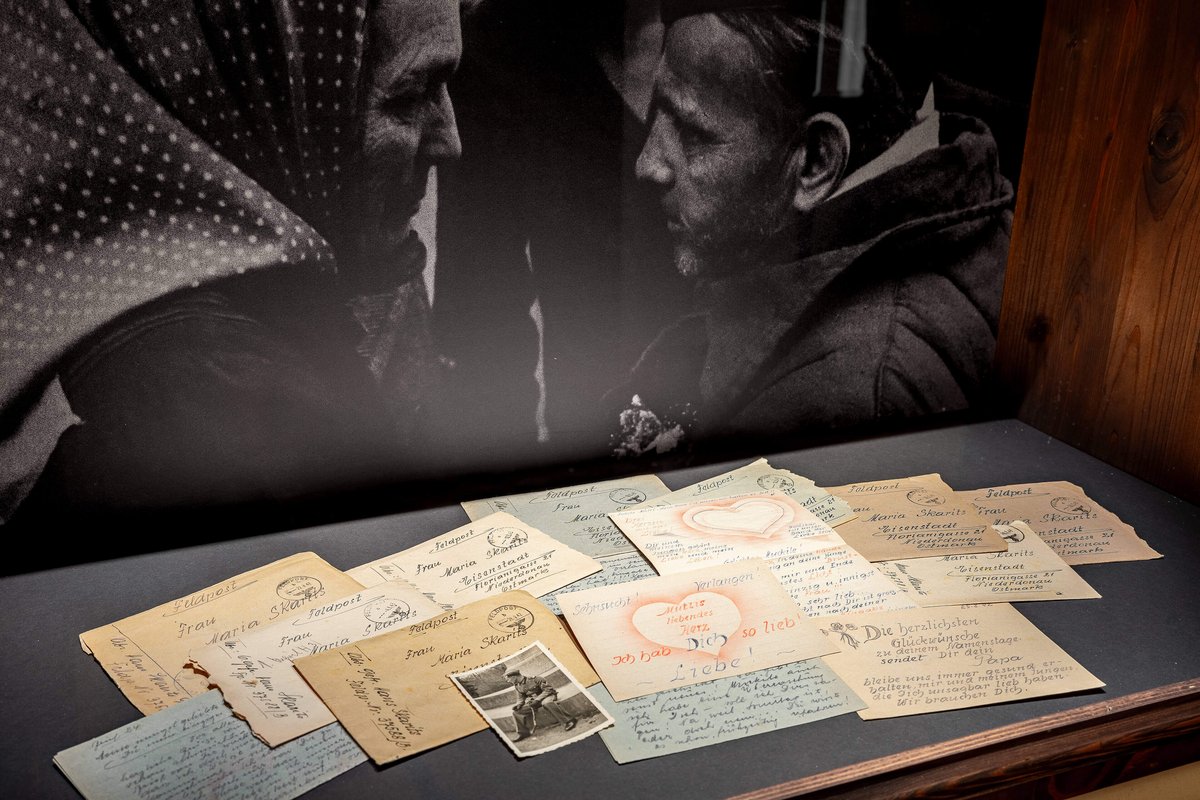
Photo albums featuring original photographs contributed by local residents as part of a prior crowdsourcing initiative substantiate the museum’s theses and trace the city’s development through personal experiences and memories.
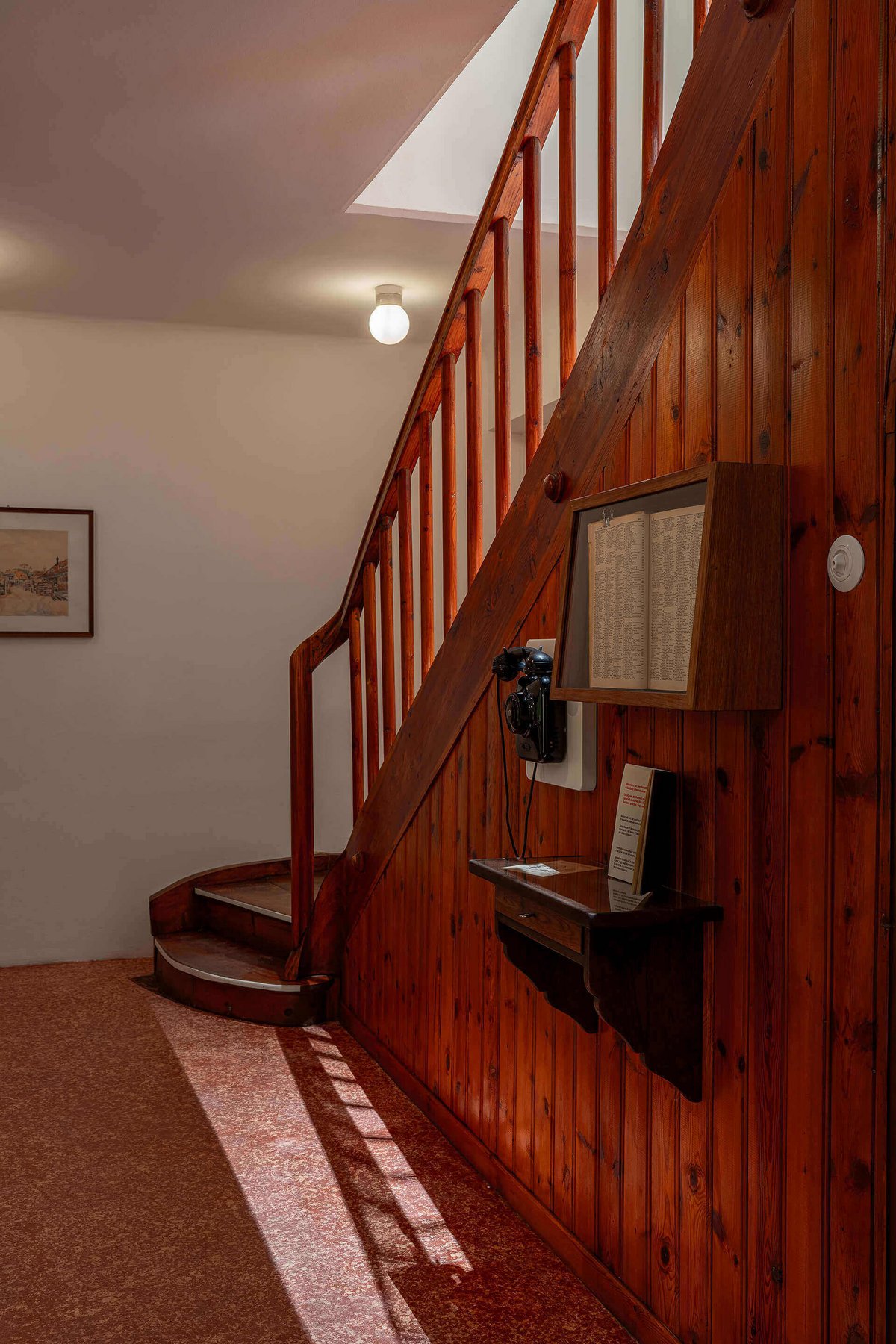
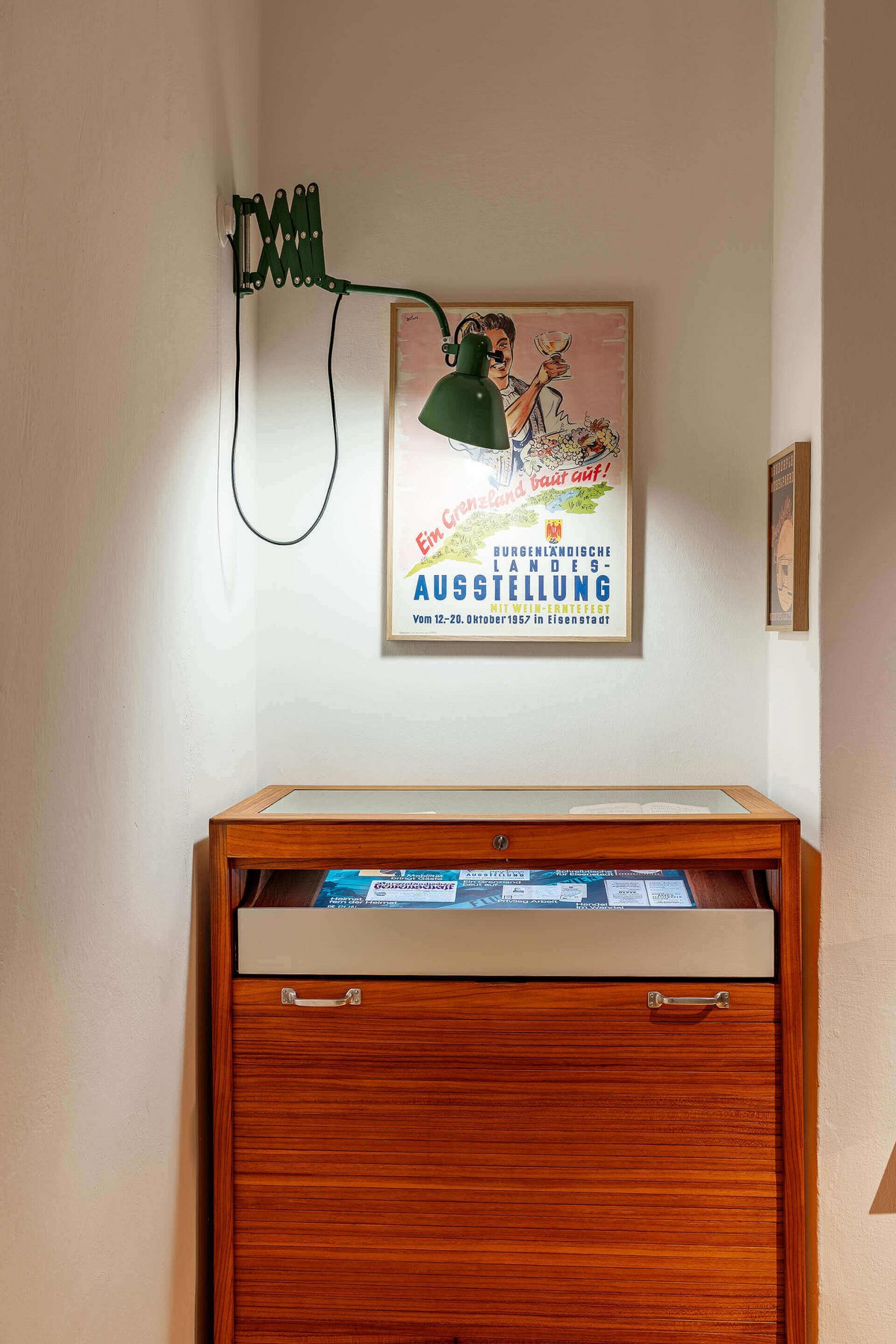
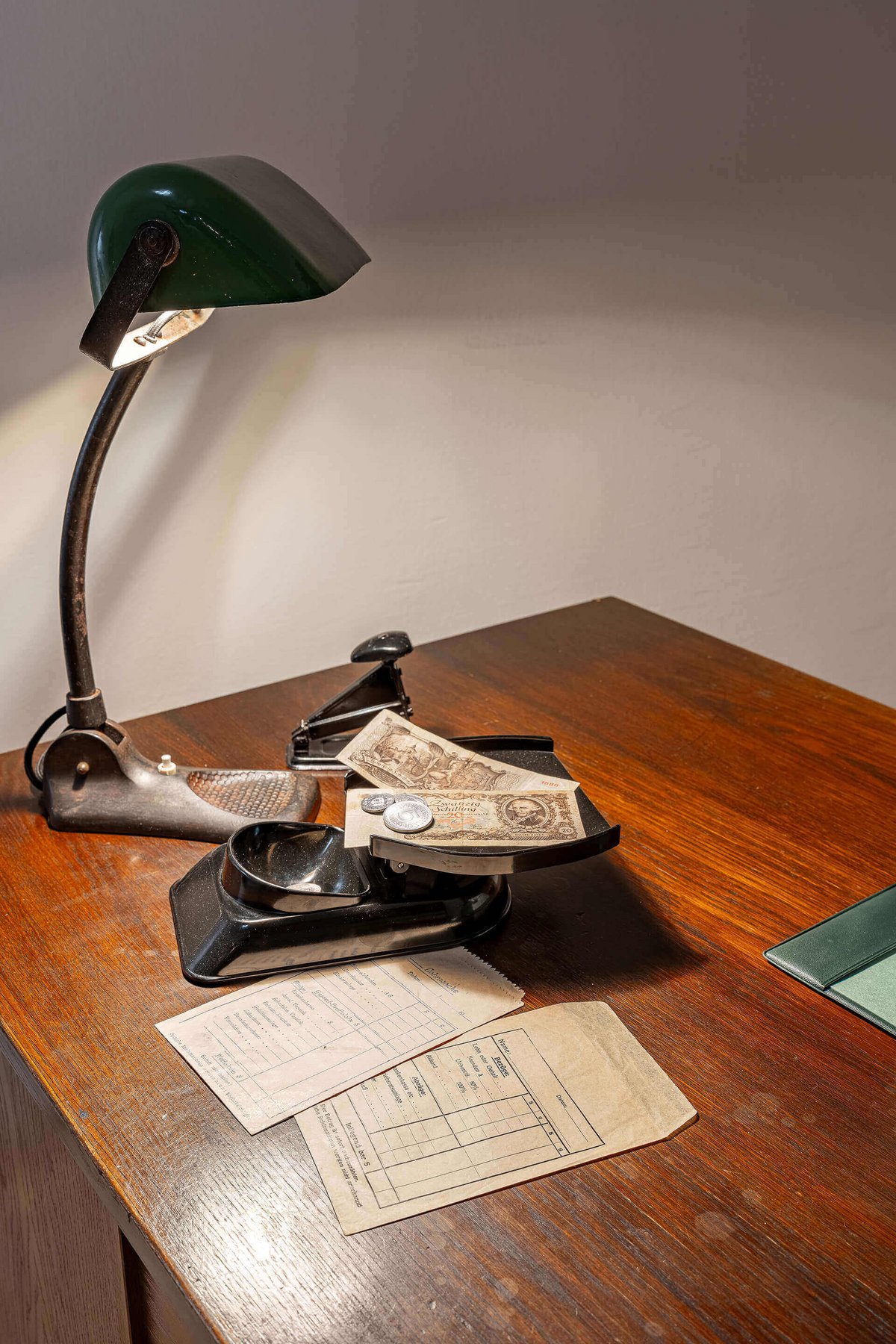
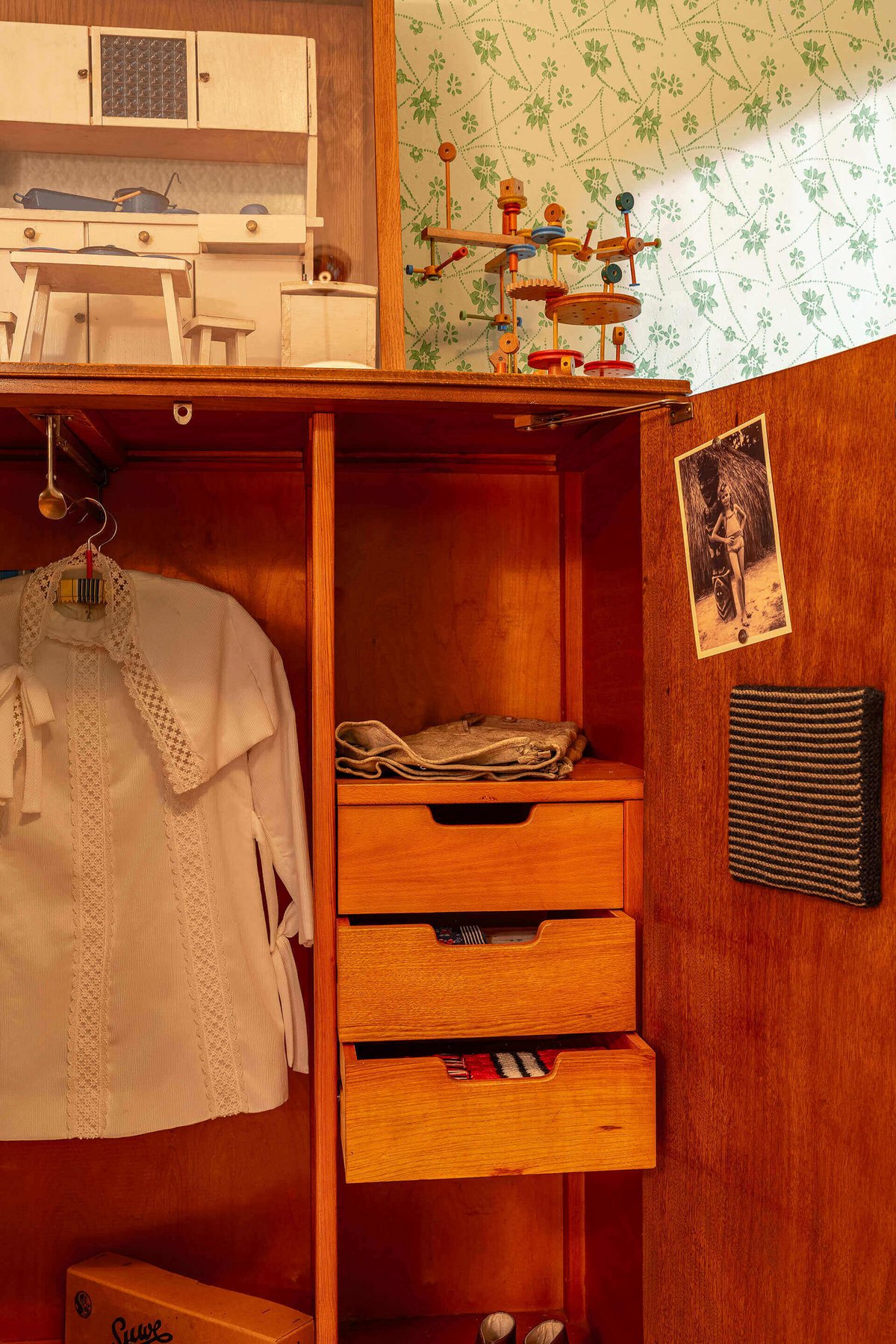
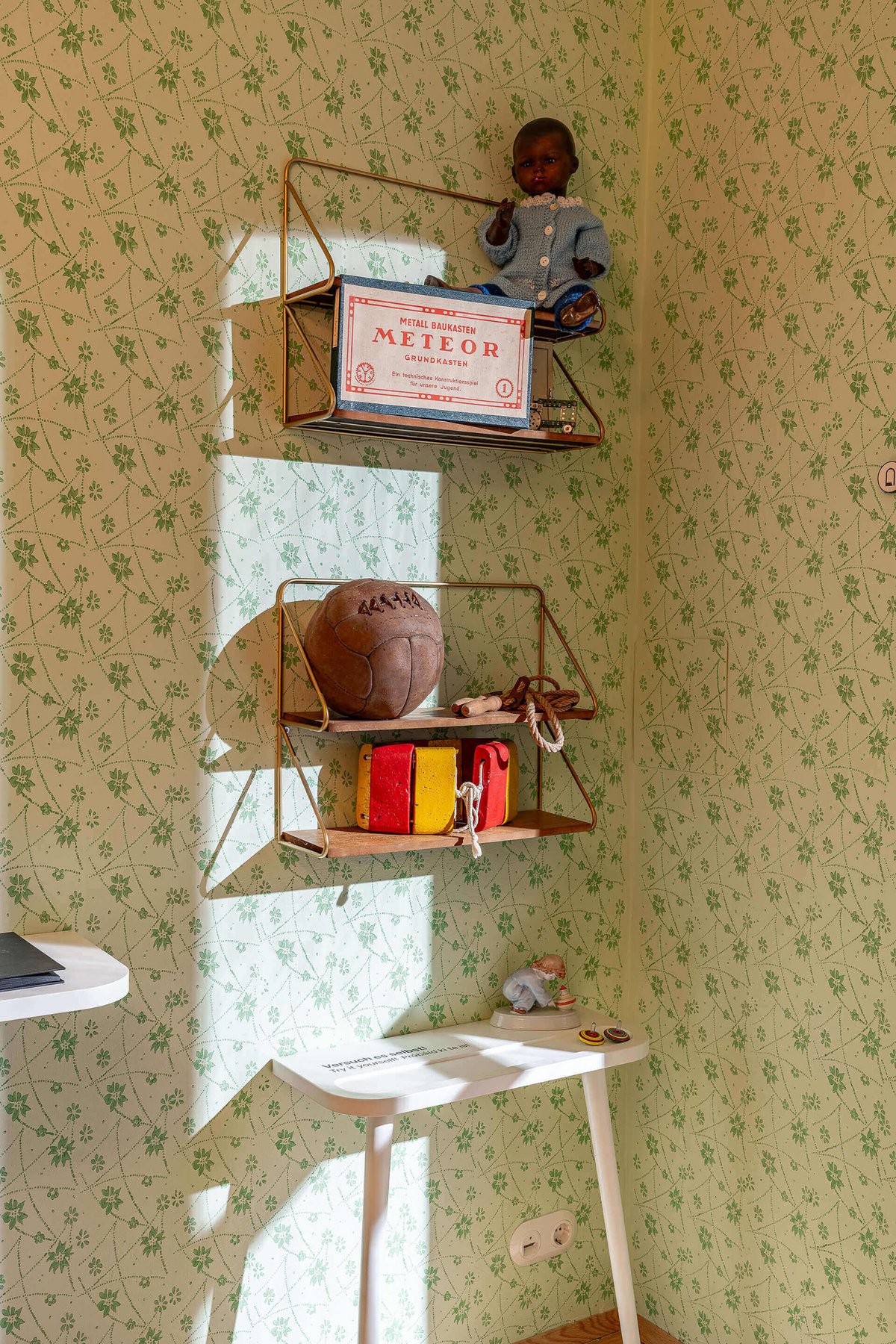
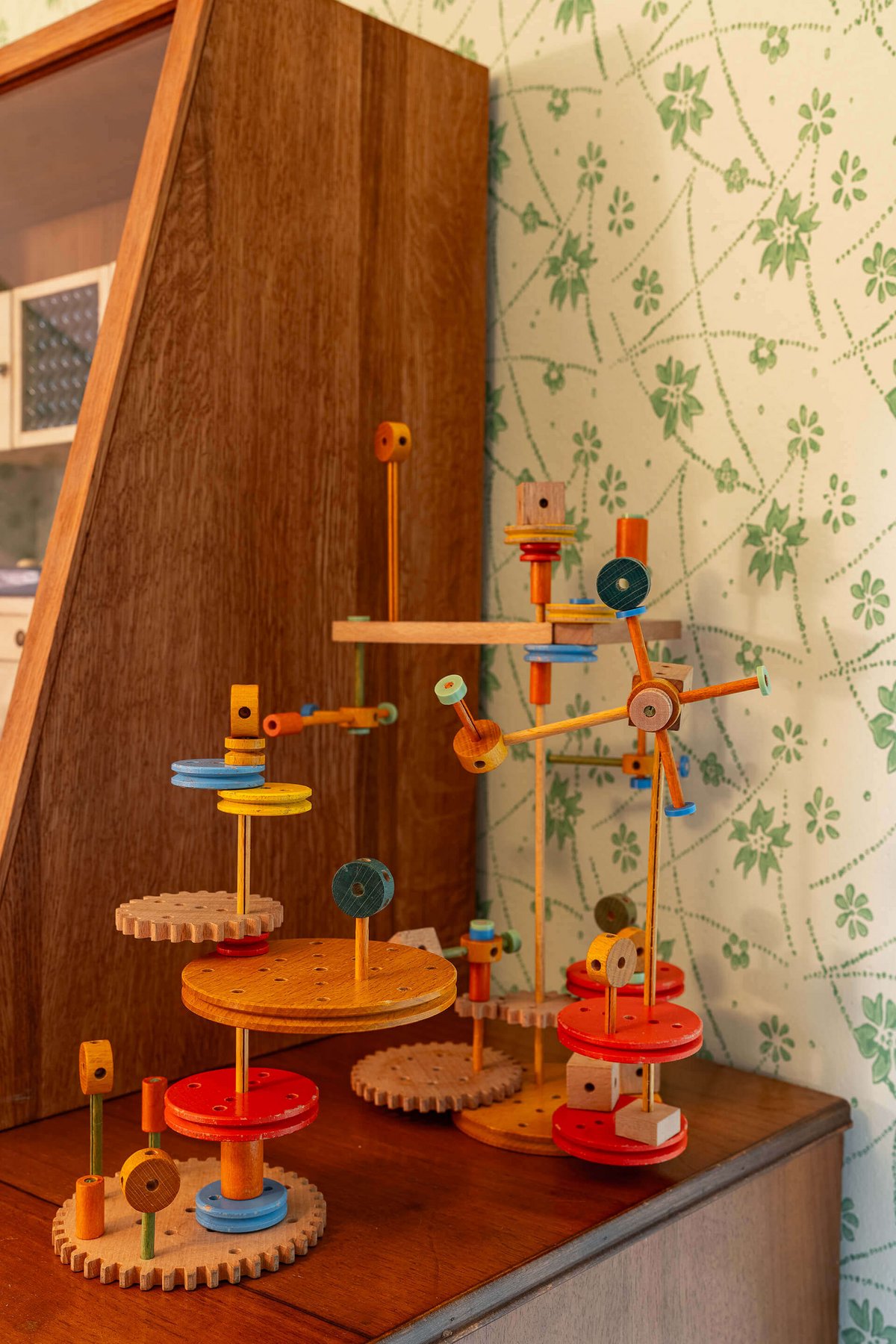
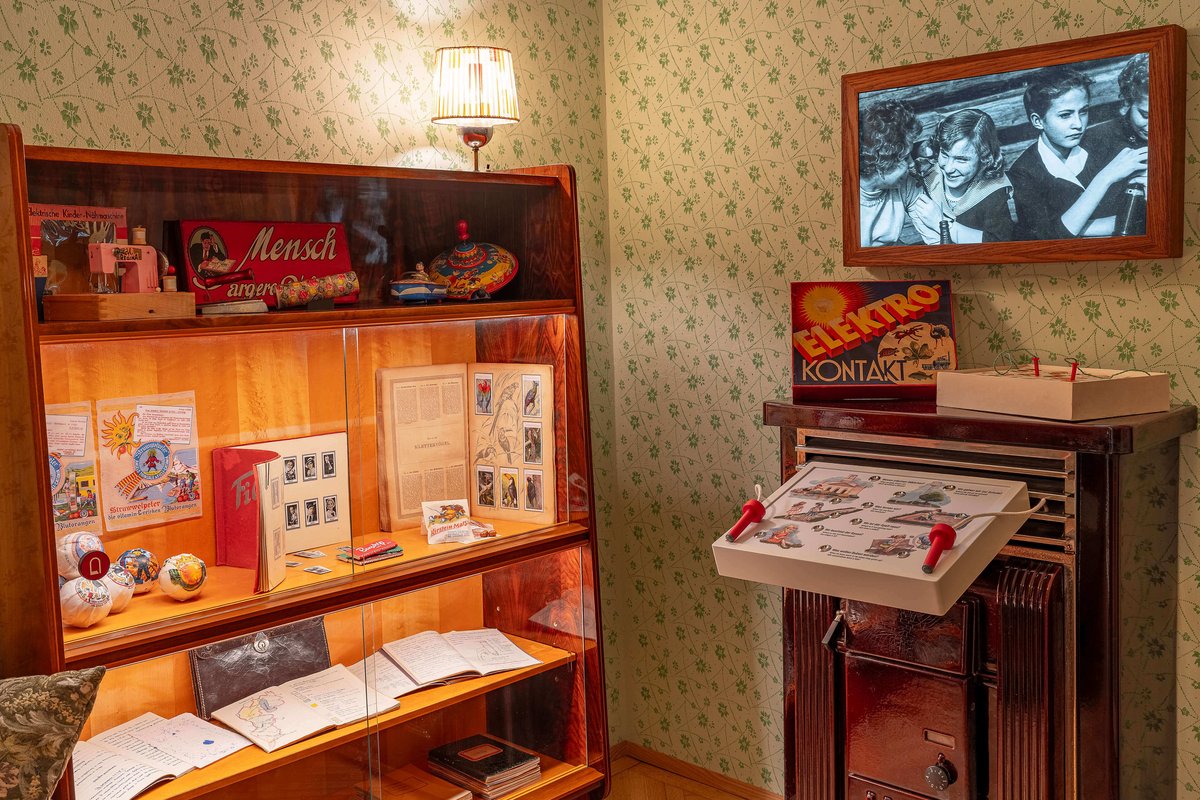
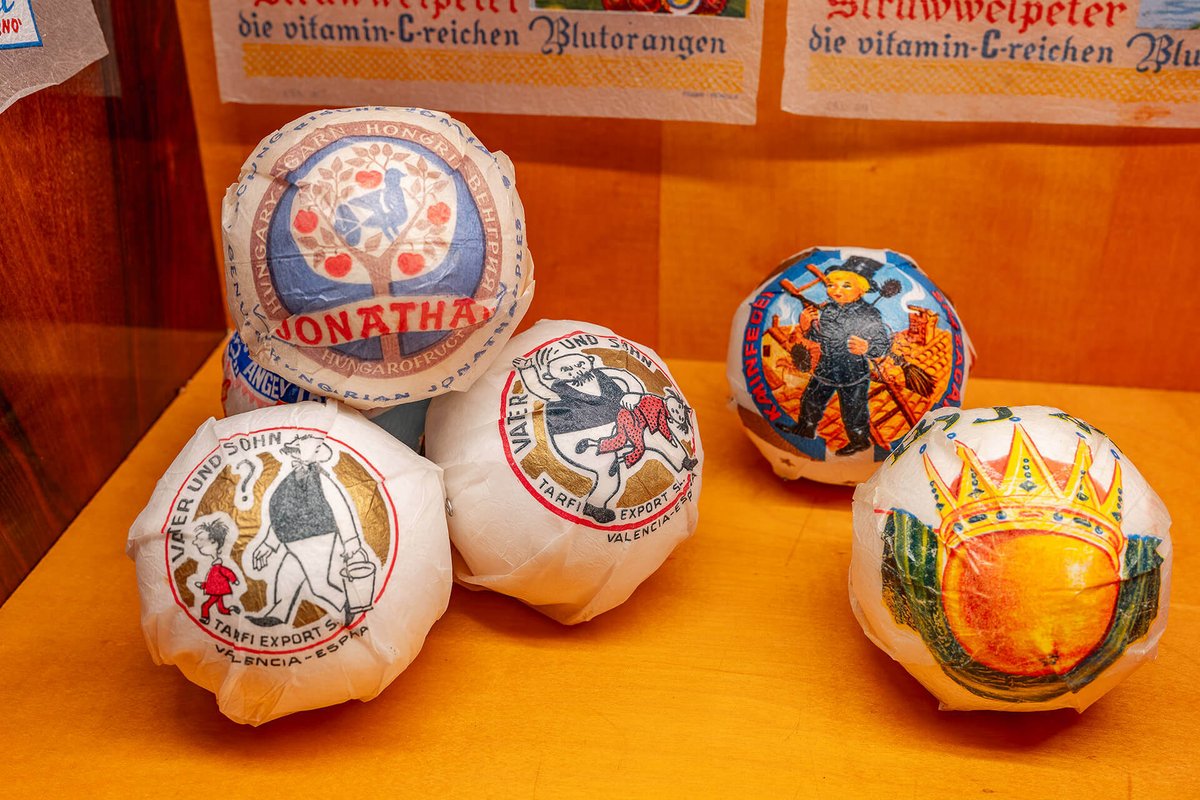
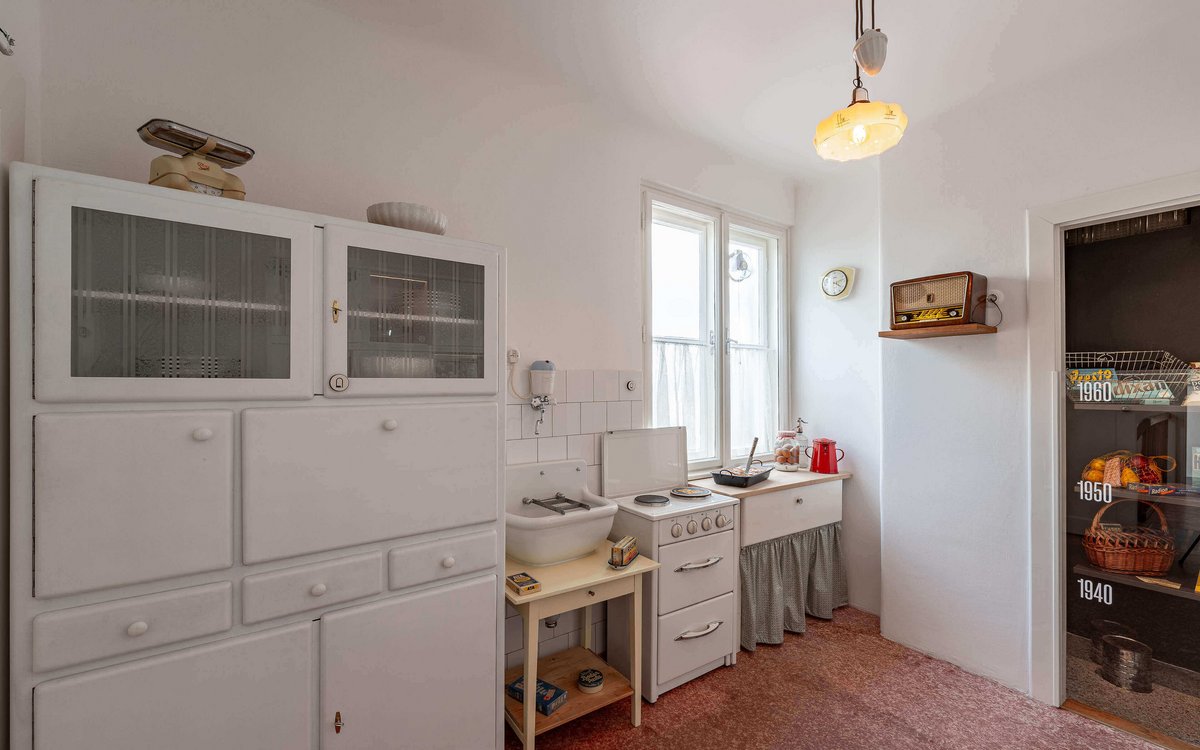
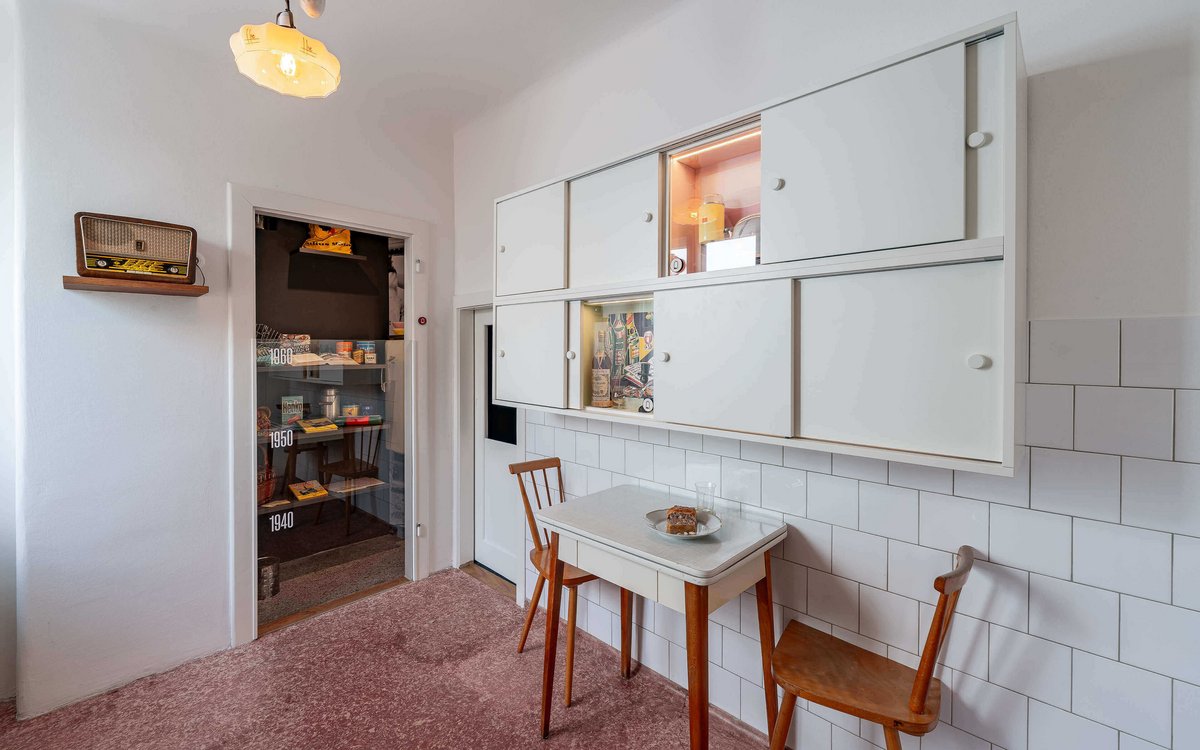
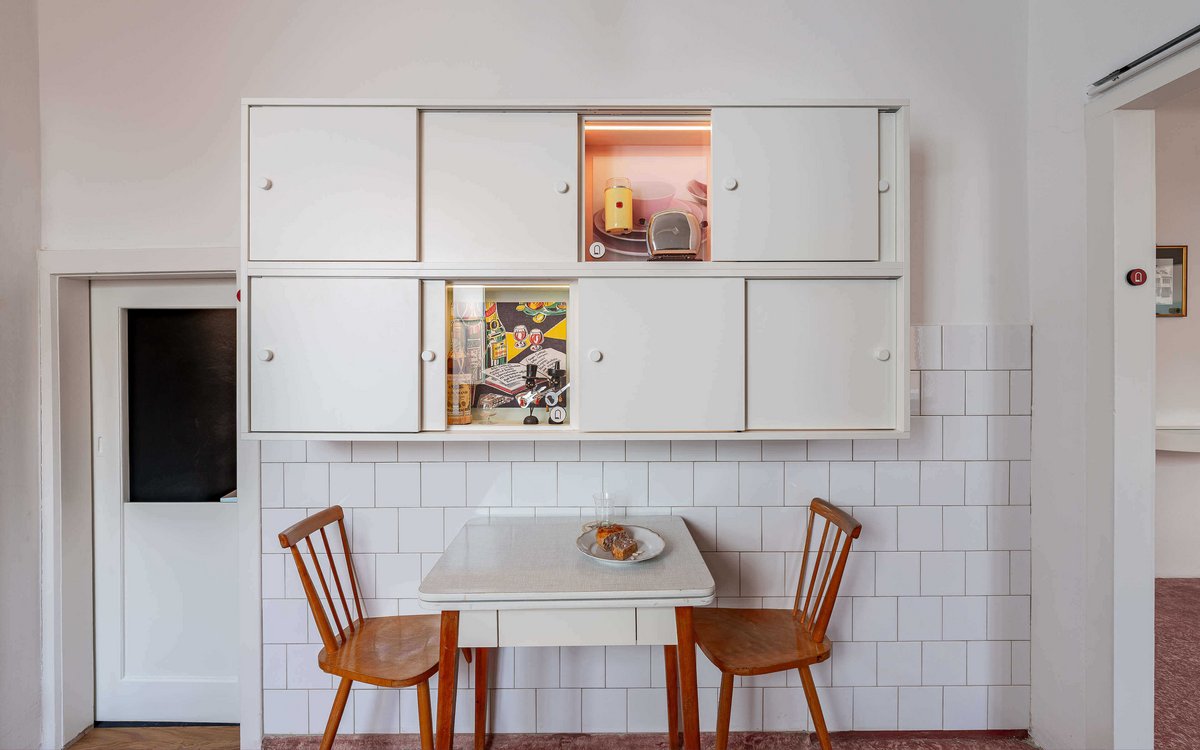
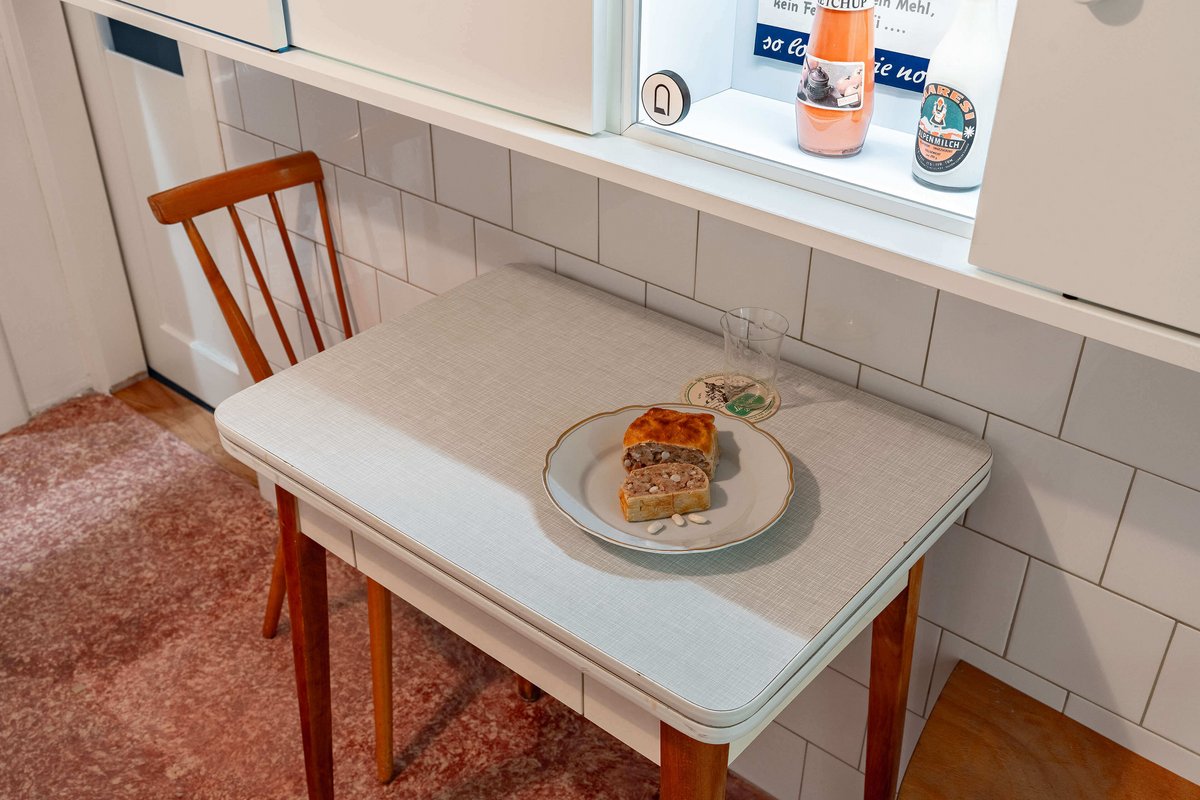
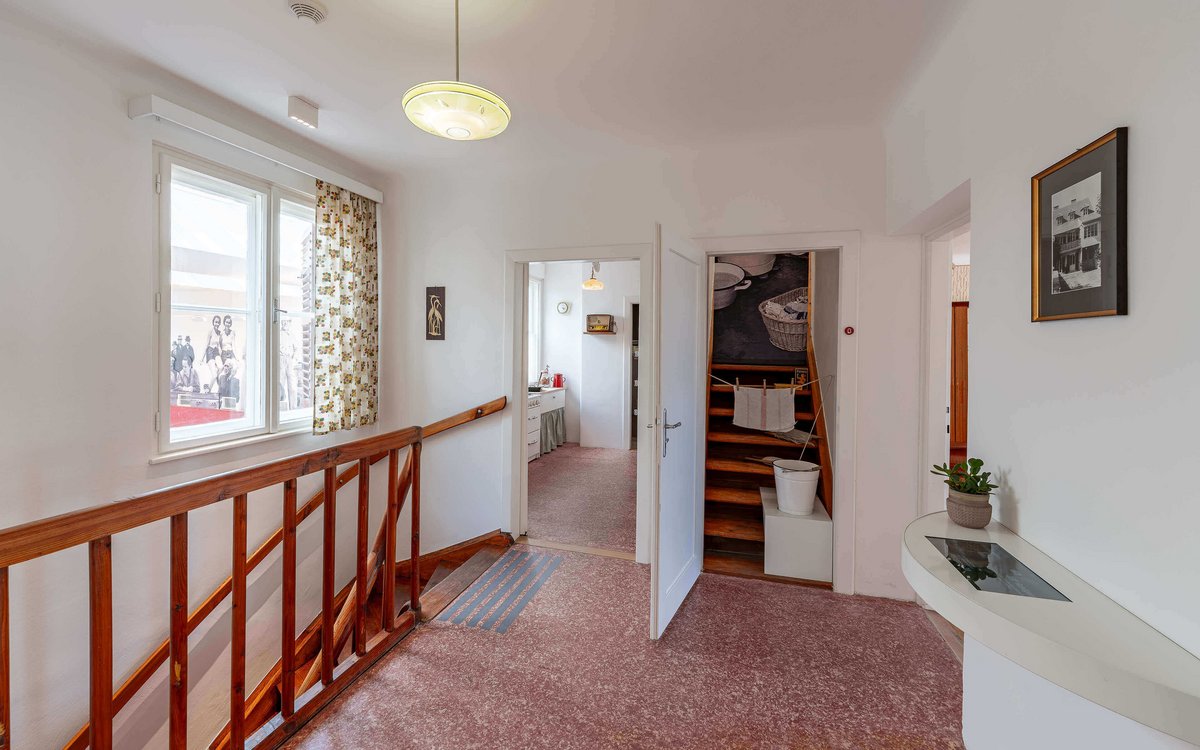
On the upper floor, the split kitchen vividly illustrates the backward state of household living conditions in the city after 1945: while the right-hand side reflects the actual fittings of most households, the “furniture of promise” presents those new achievements of the 1950s that only entered most households much later. Here, too, the attention to detail is evident: the radio plays original broadcasts of key political milestones, while the replica of the traditional Burgenland bean strudel was produced in Tokyo by one of the world’s leading manufacturers of food replicas.
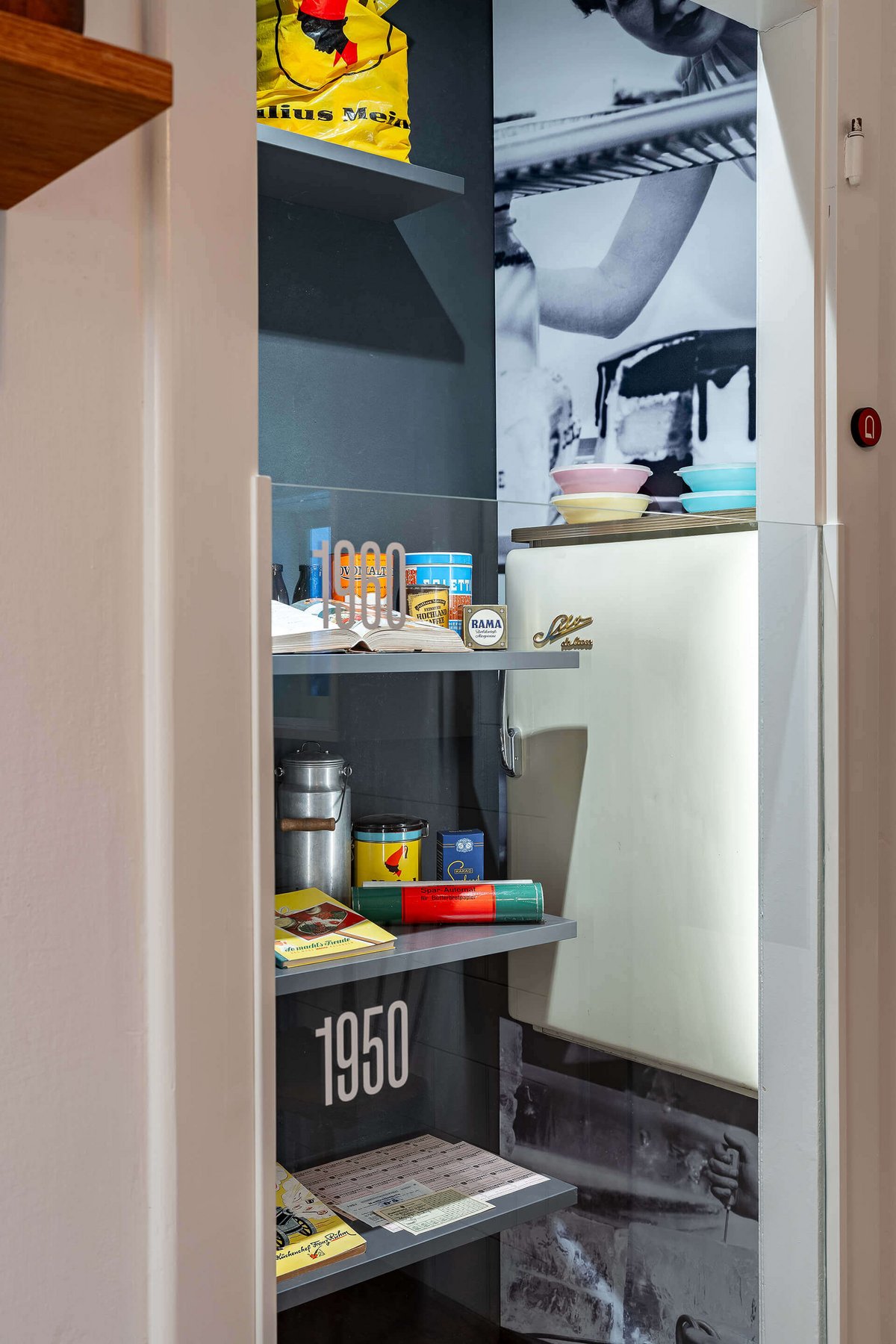
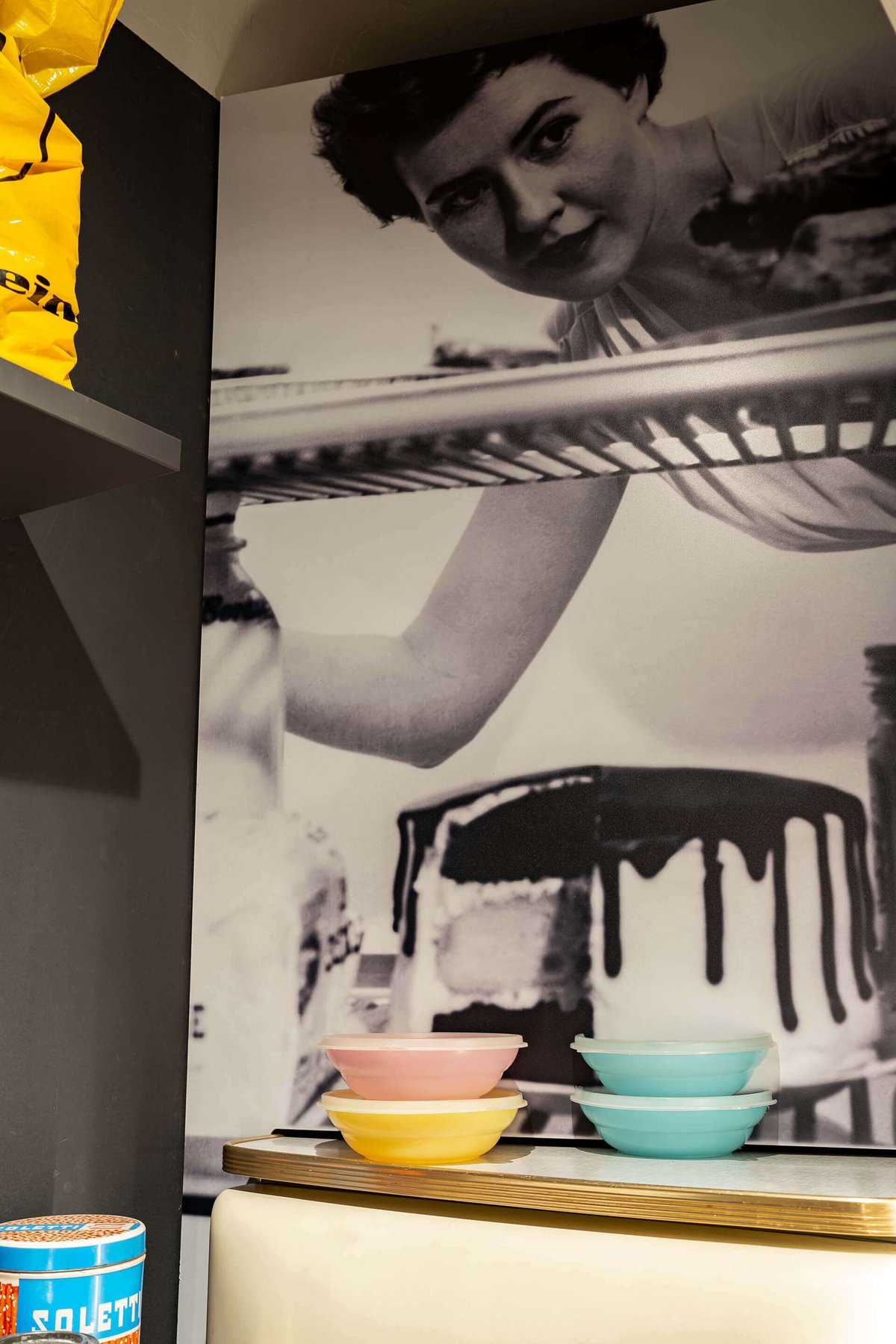
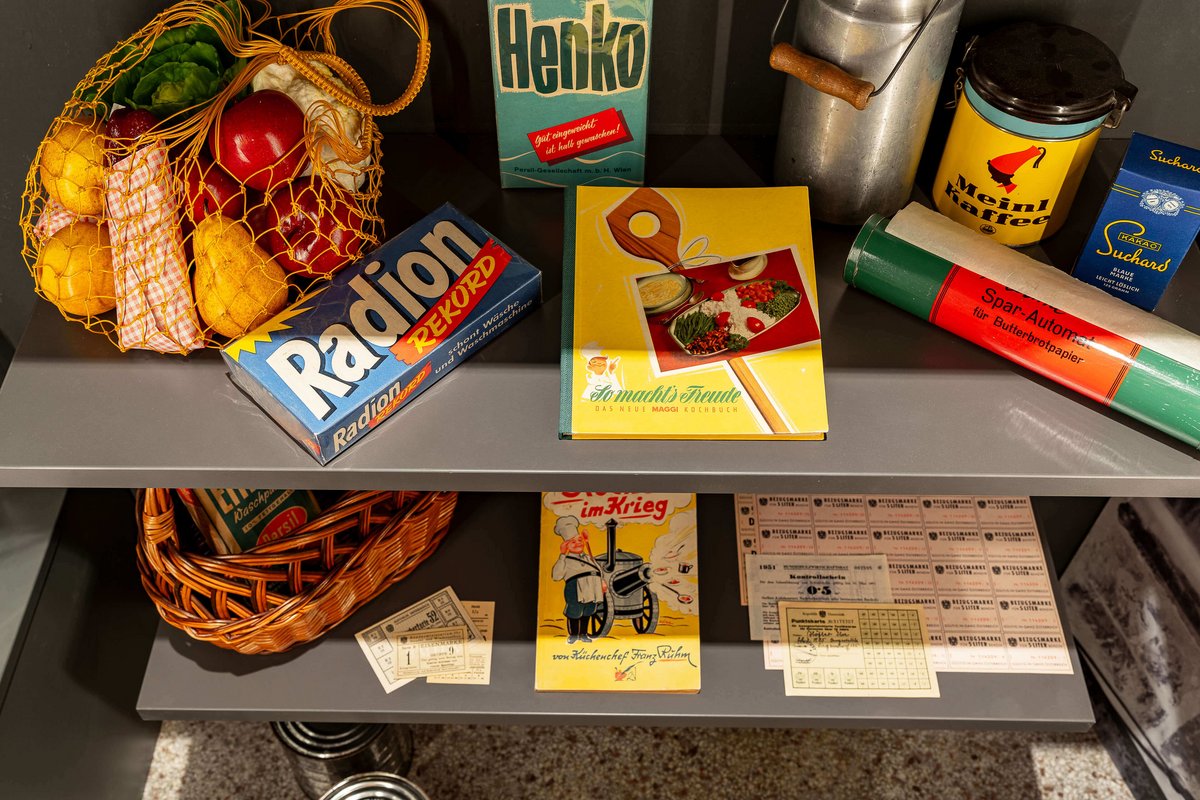
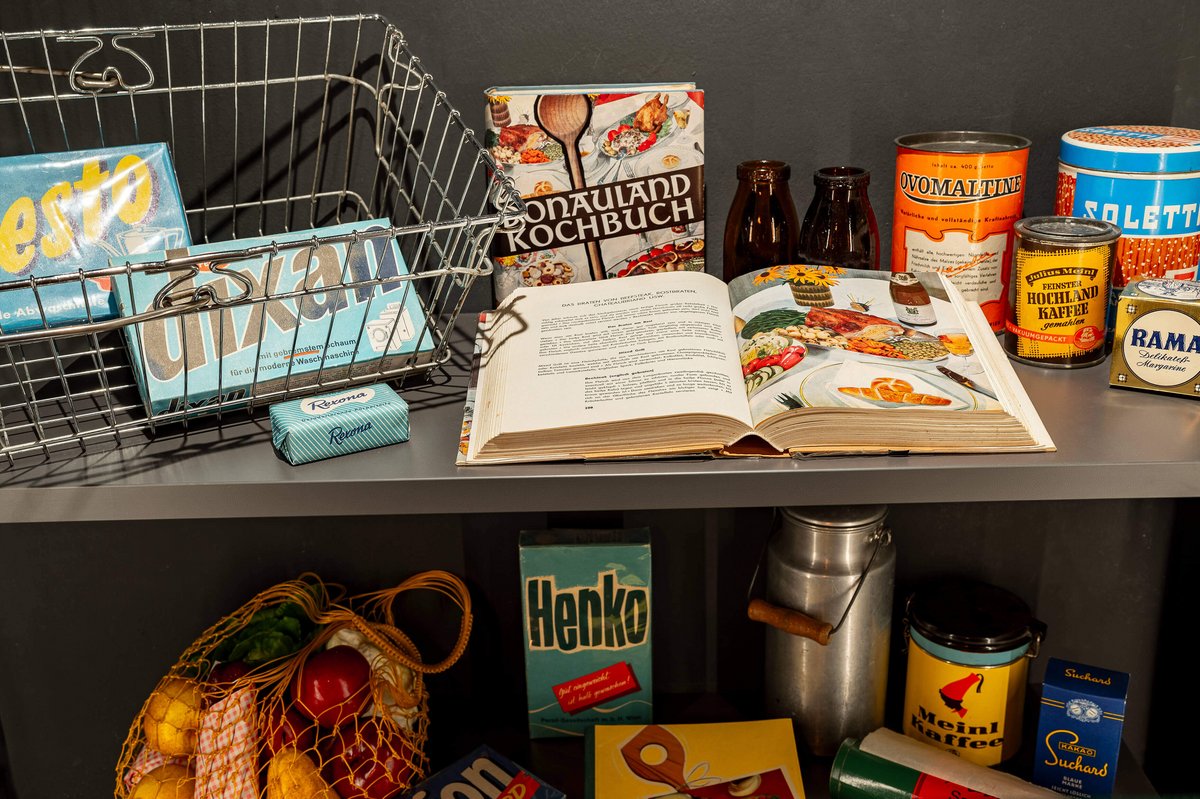
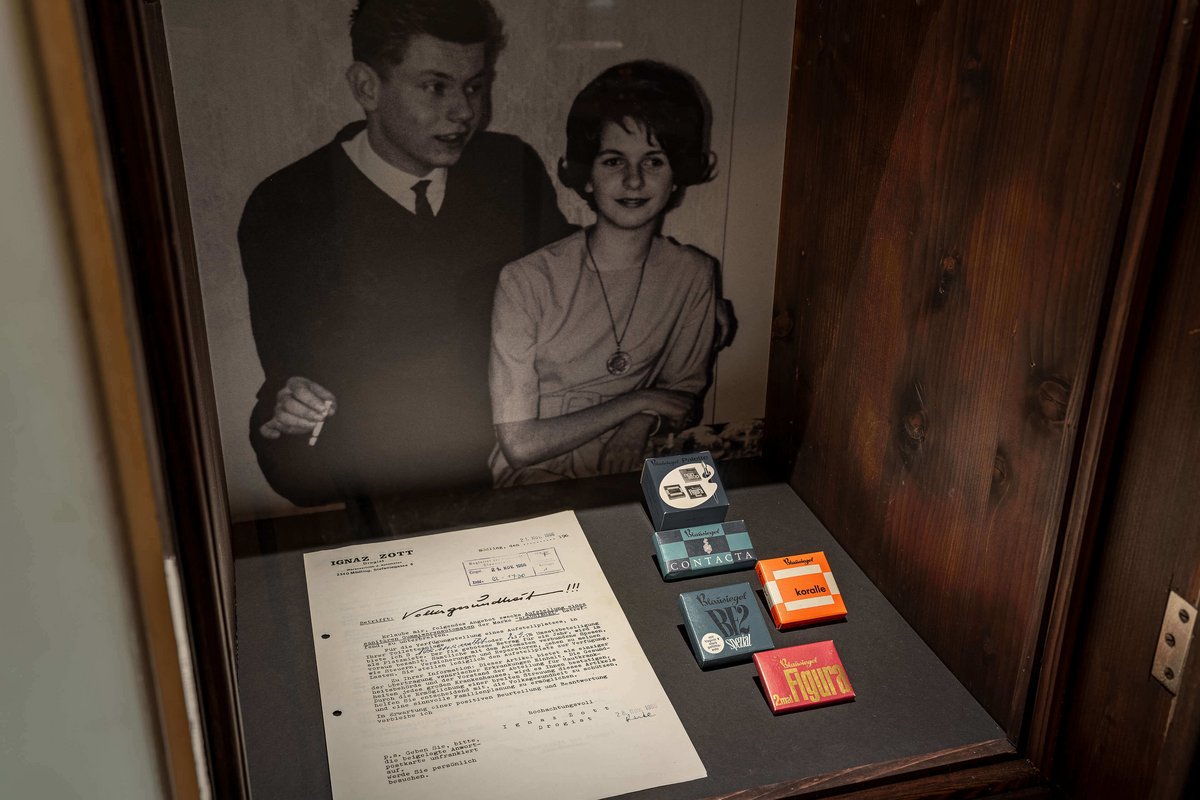
The former pantry displays foodstuffs and household utensils from the 1940s to the 1960s, tracing the transition from a “shortage economy” to a consumer society. A small chamber beneath the staircase displays an original CARE package, which experienced a resurgence beginning in Eisenstadt, owing to its immediate proximity to the Iron Curtain: while CARE was in decline across much of Europe, the refugee movements during the Hungarian crisis of 1956 led to the organisation’s lasting establishment in post-war Europe and, later, worldwide.
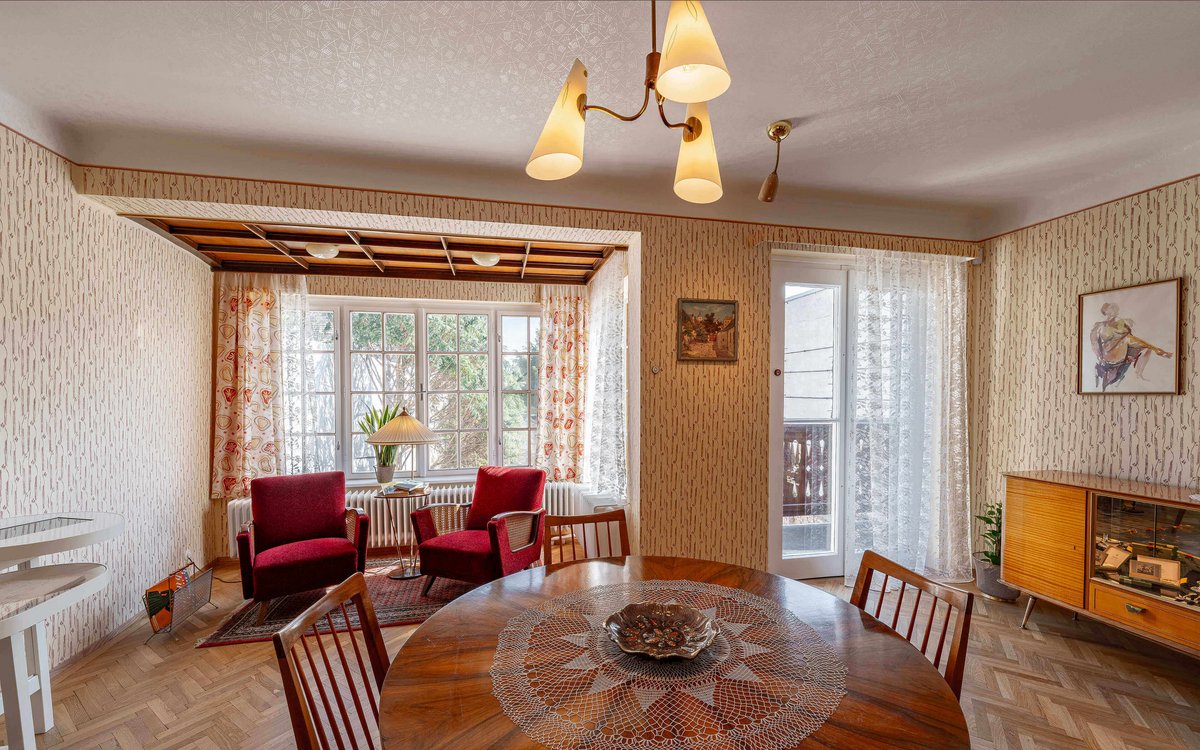
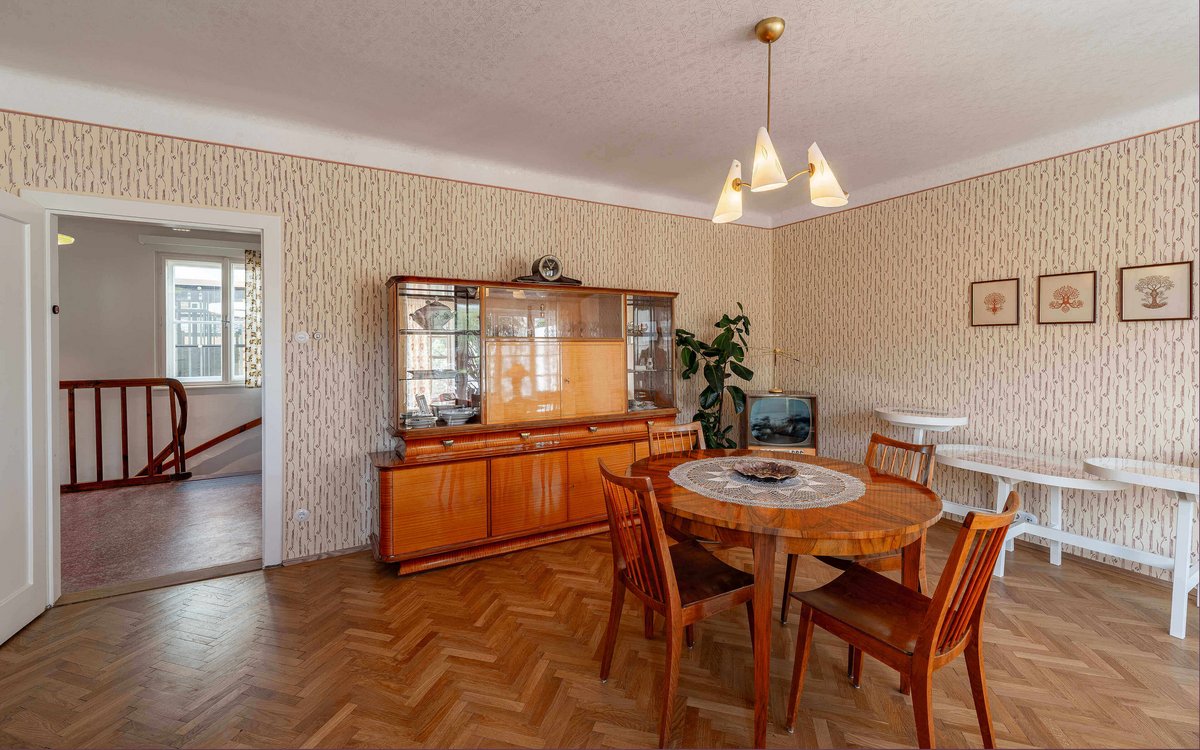
The salon on the upper floor forms the heart of the house. It addresses themes such as art and culture, politics, and social life. Over the course of the day, the atmosphere in the light-filled rooms changes dramatically.
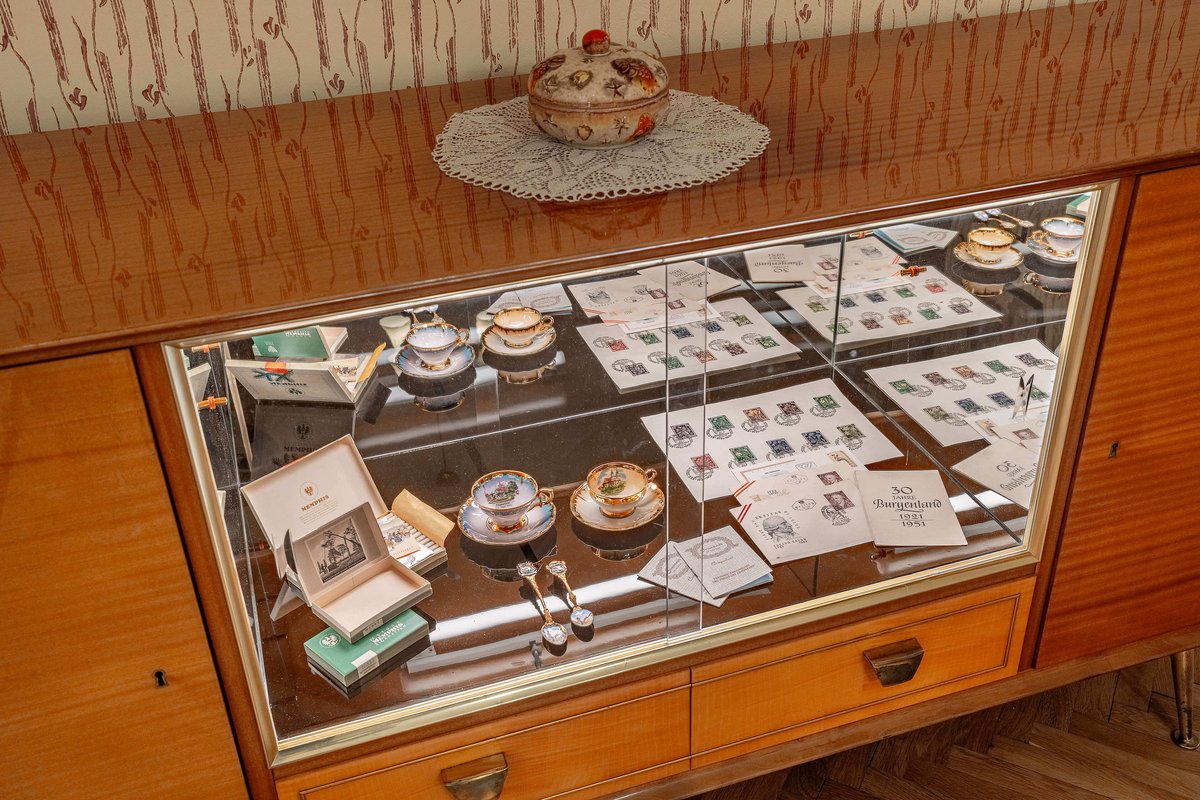
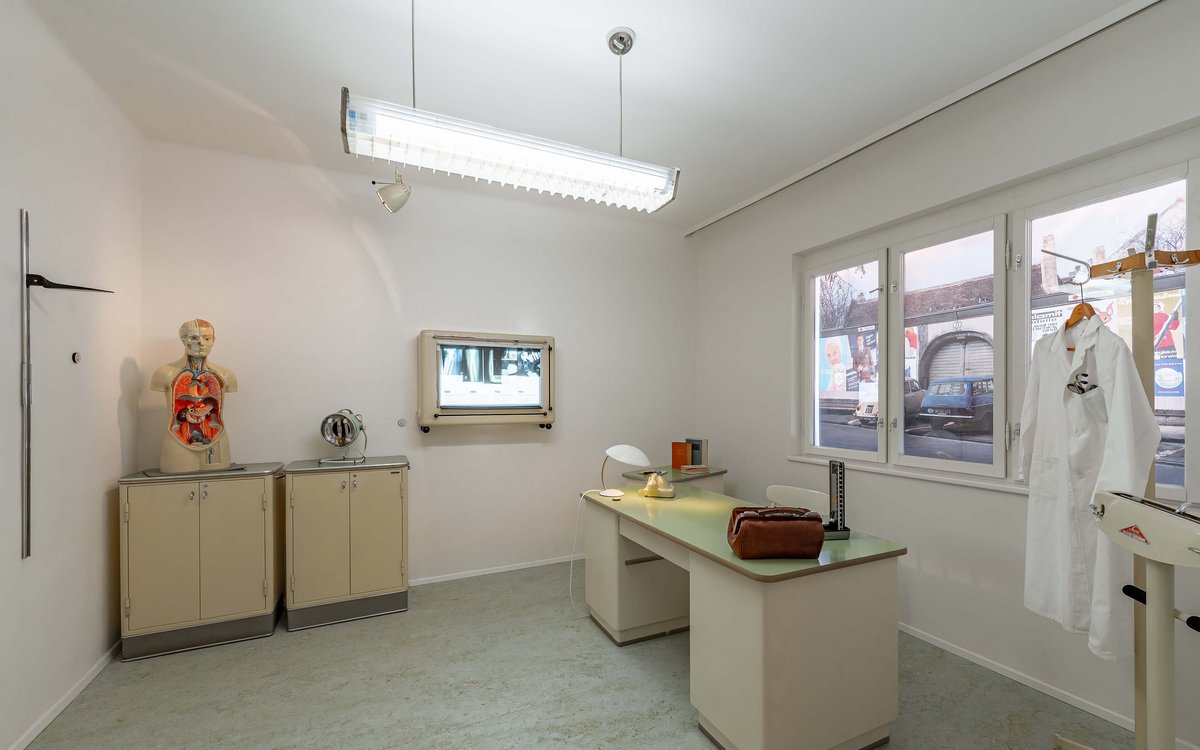
Particular attention was paid to the authentic furnishing of the rooms, which reflects the refinement of a doctor’s household in a semi-rural setting while also meeting visitors’ expectations of a 1950s interior.
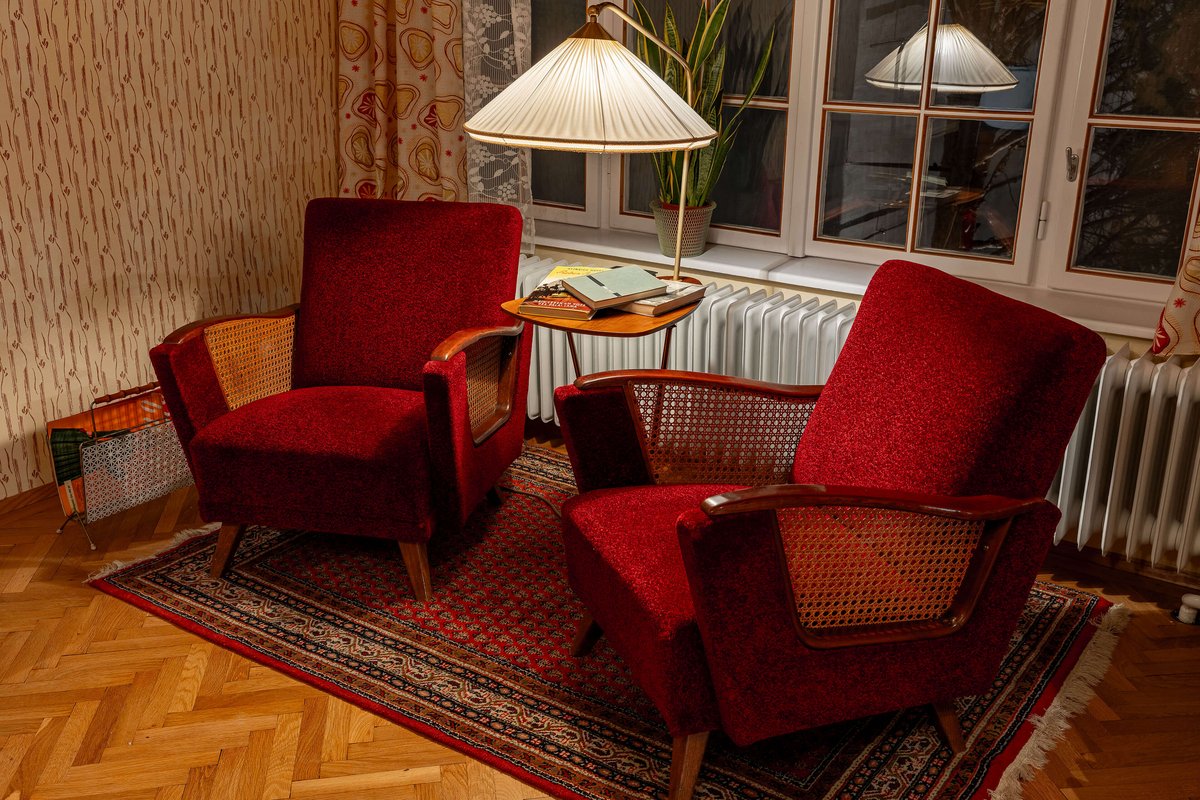
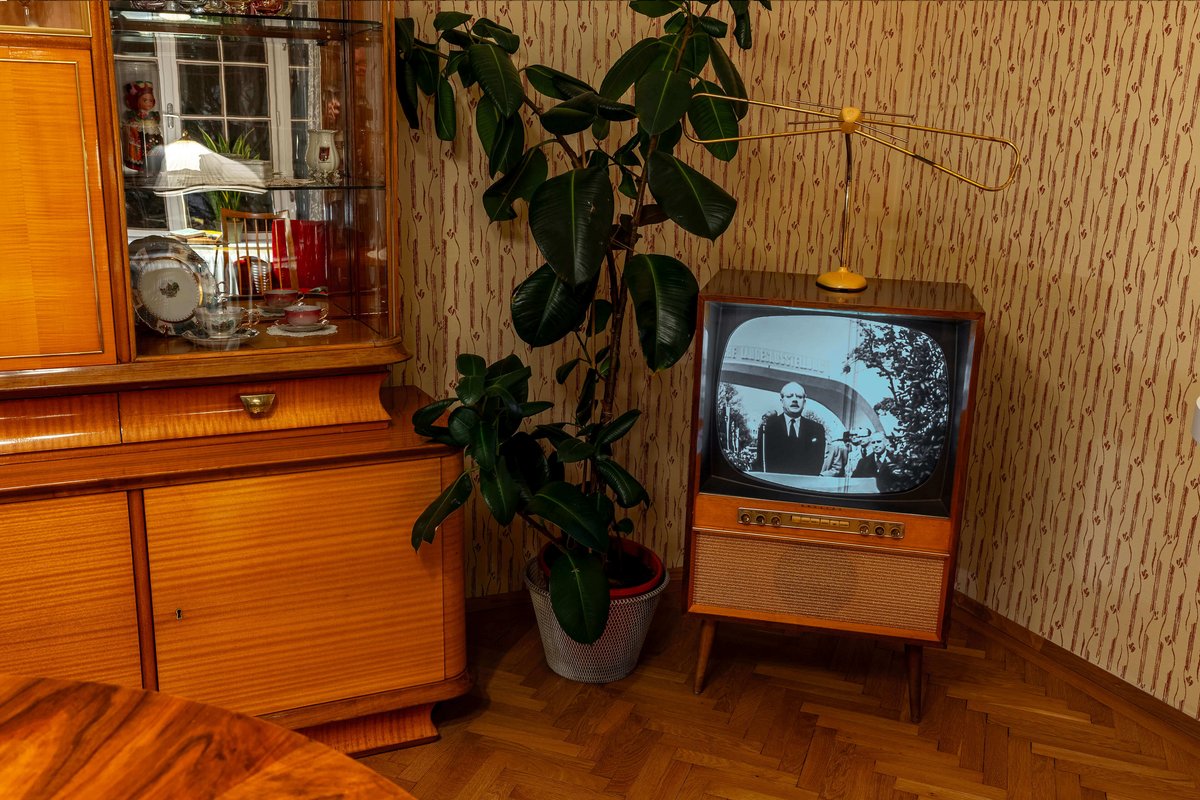
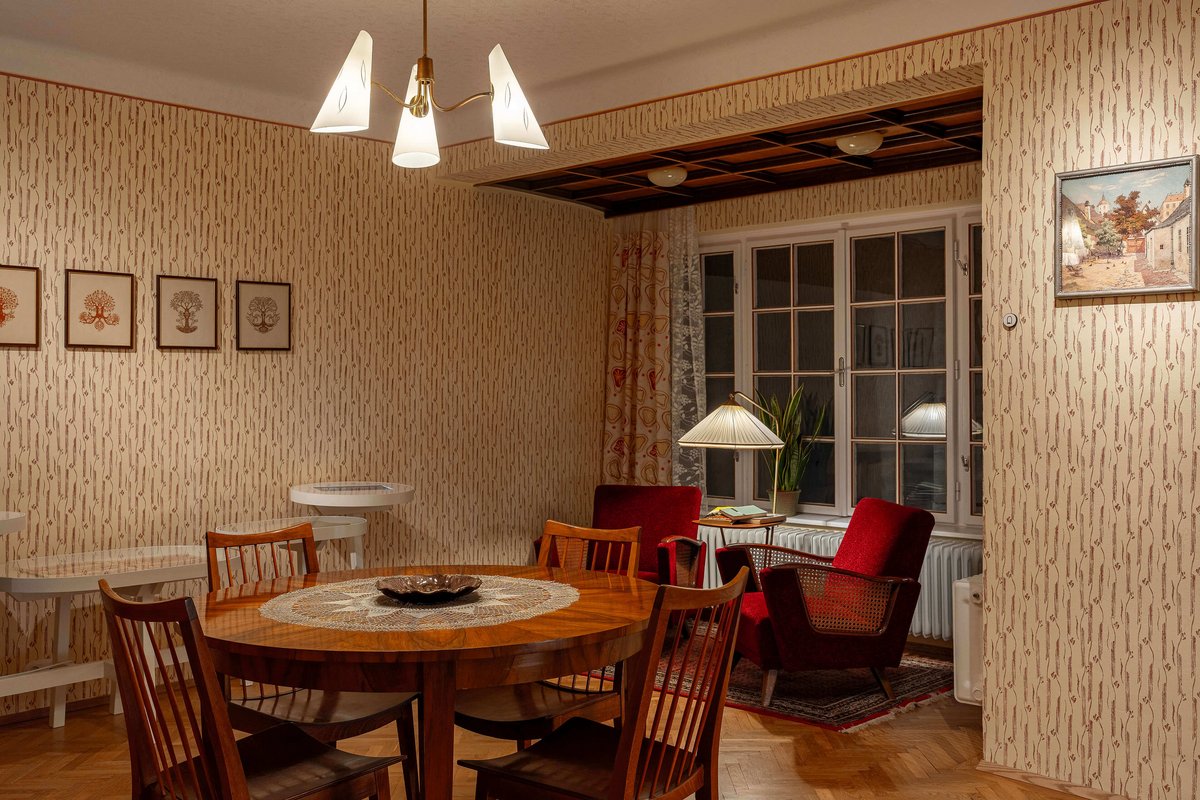
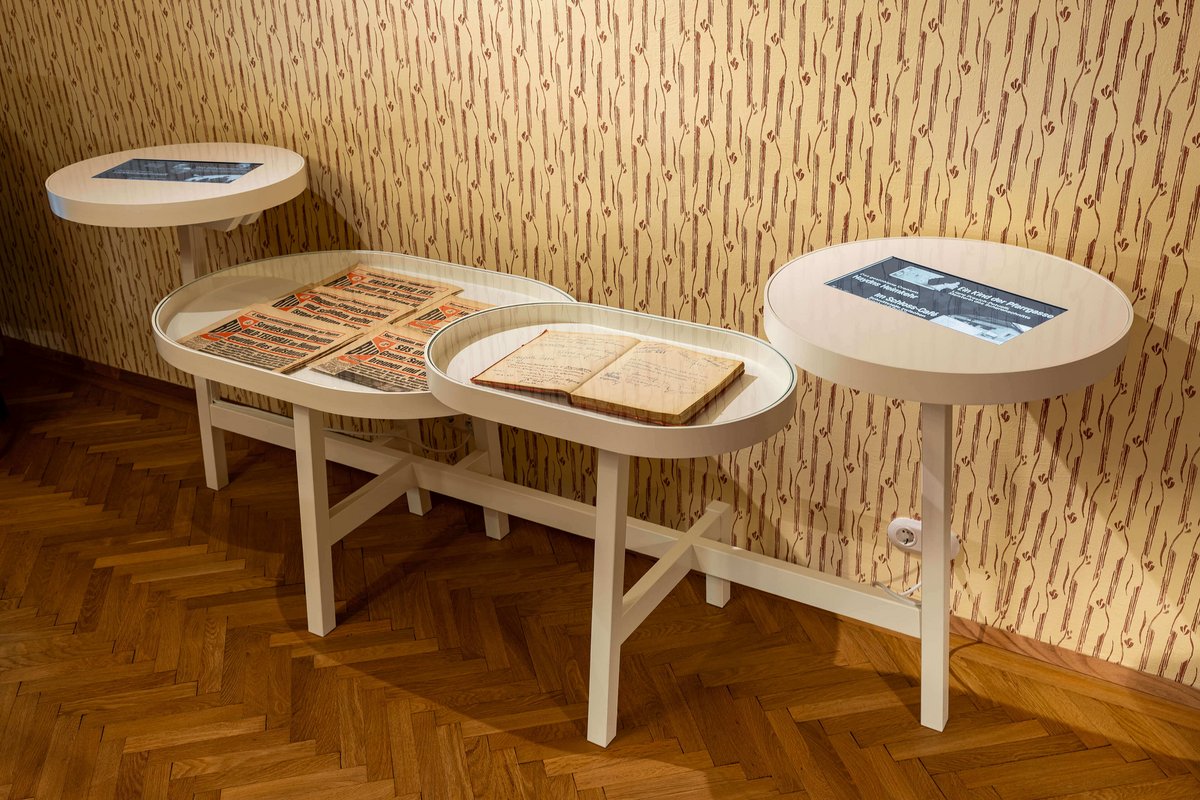
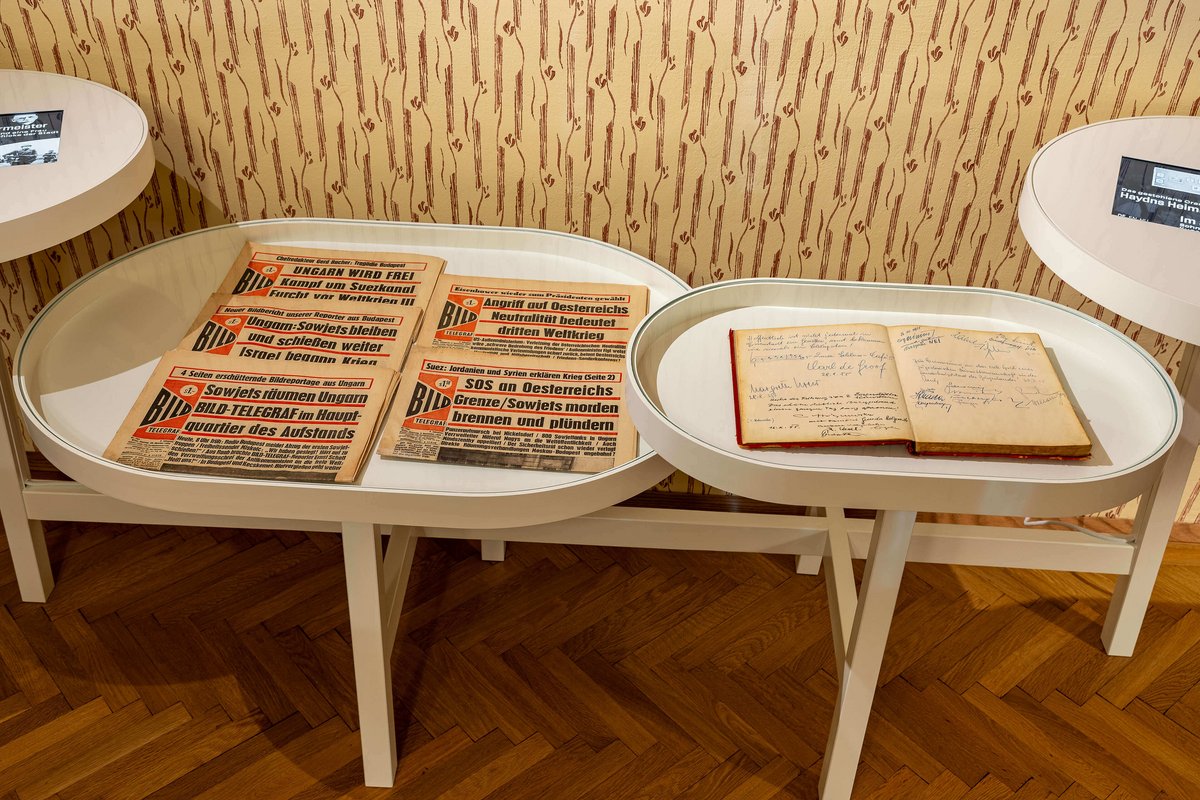
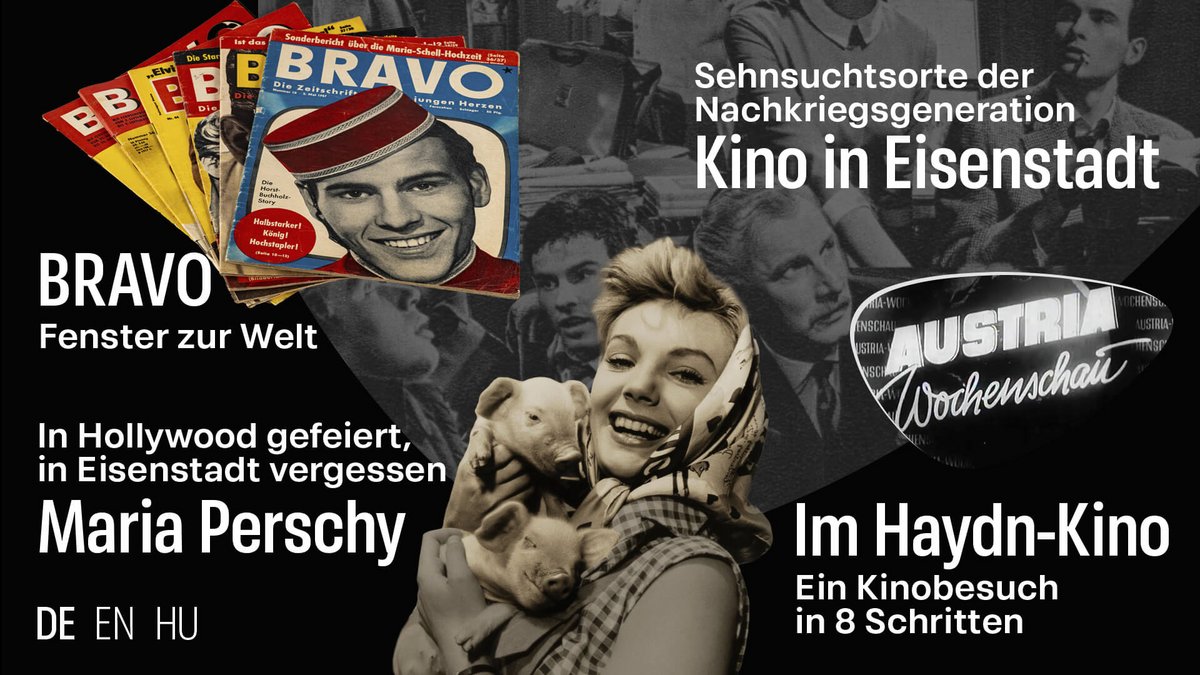
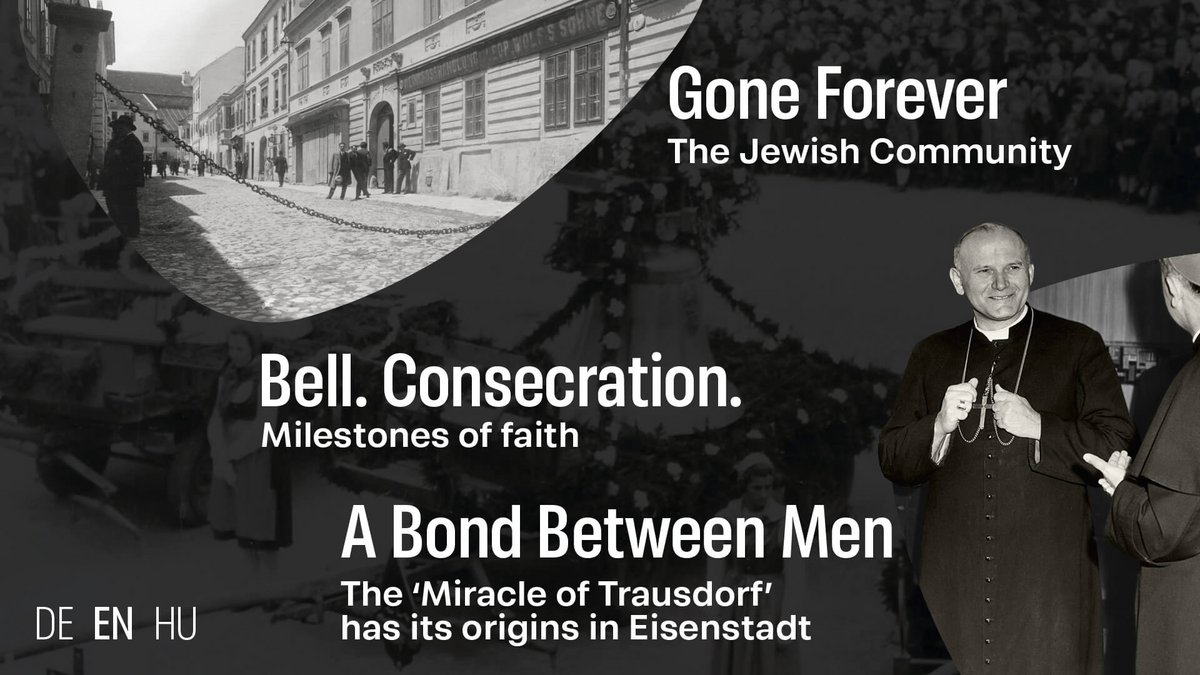
The terminals in the rooms allow visitors to access more in-depth, linear information on specific topics, browse through publications, or experience the villa prior to its renovation as a 360° panorama.
In total, around 120 minutes of purely digital content are available. Combined with the audio guides, the exhibited objects, and the hands-on stations, this results in a visitor dwell time ranging from 30 minutes to up to two and a half hours.
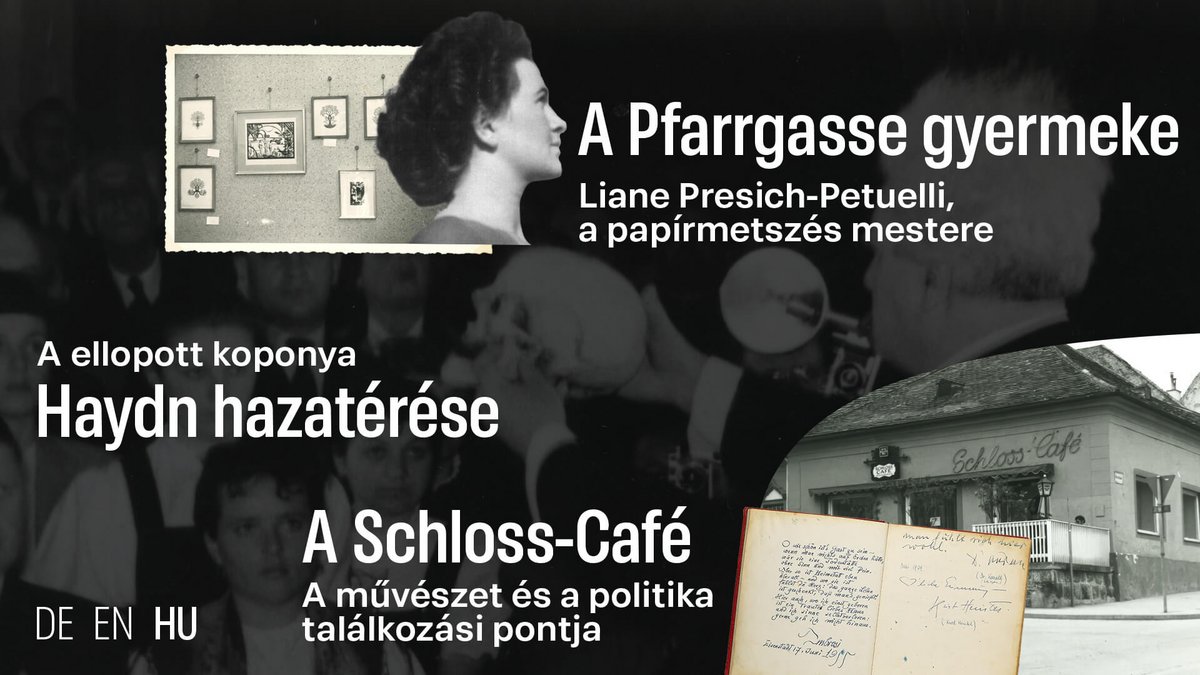
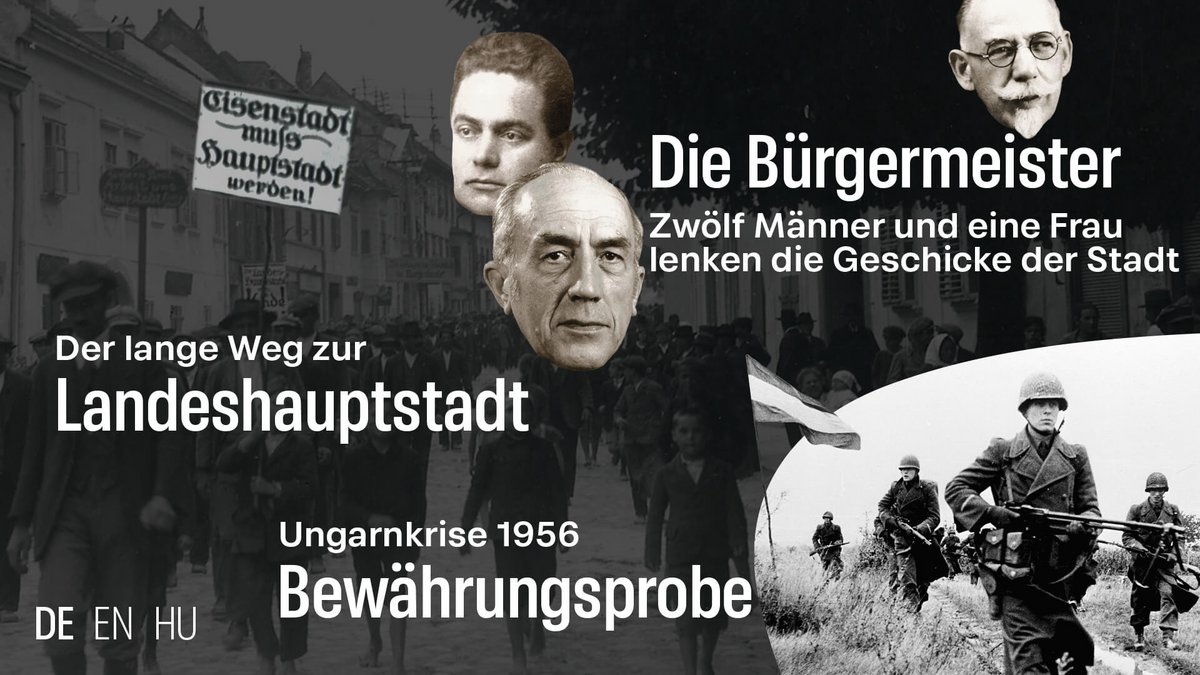
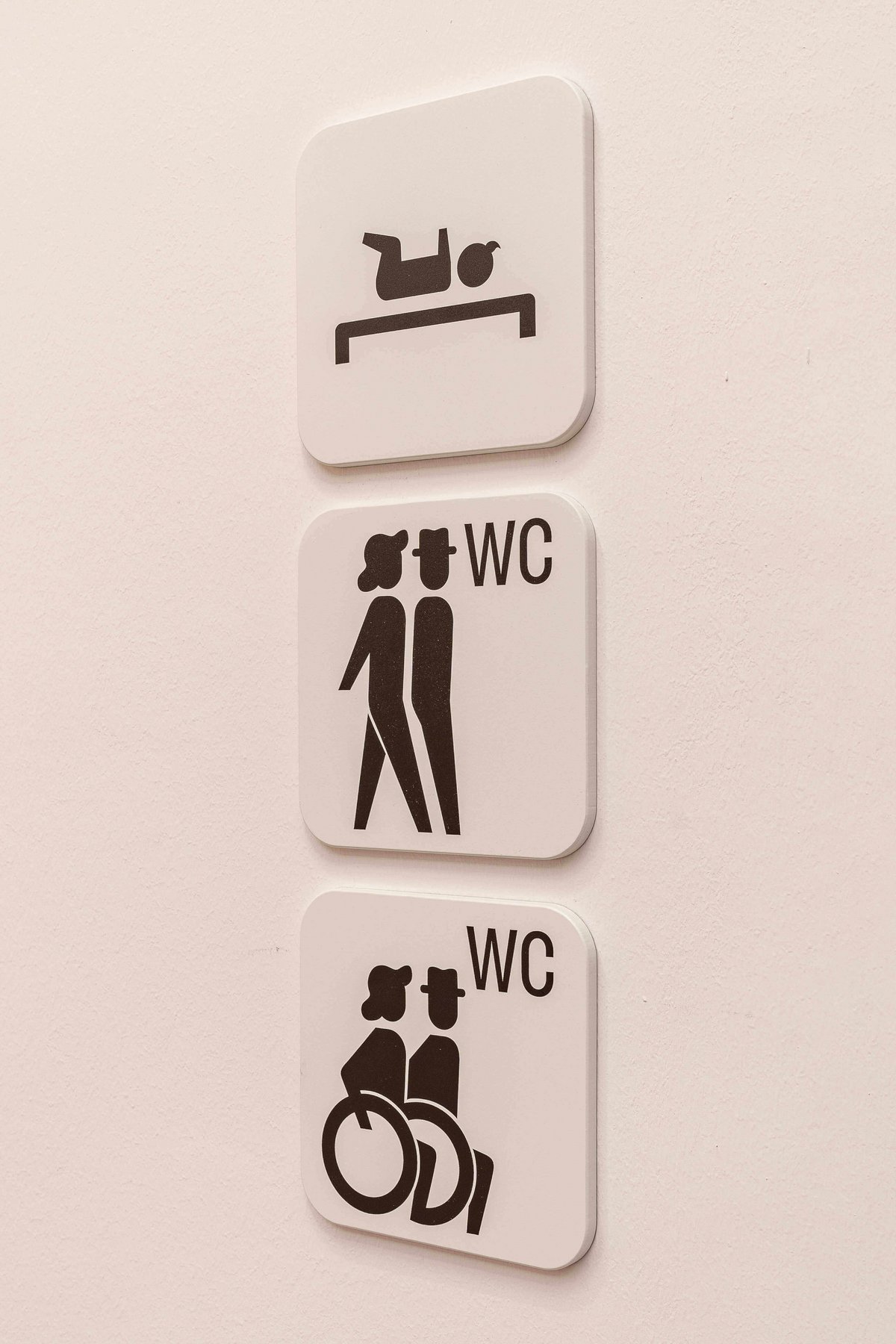
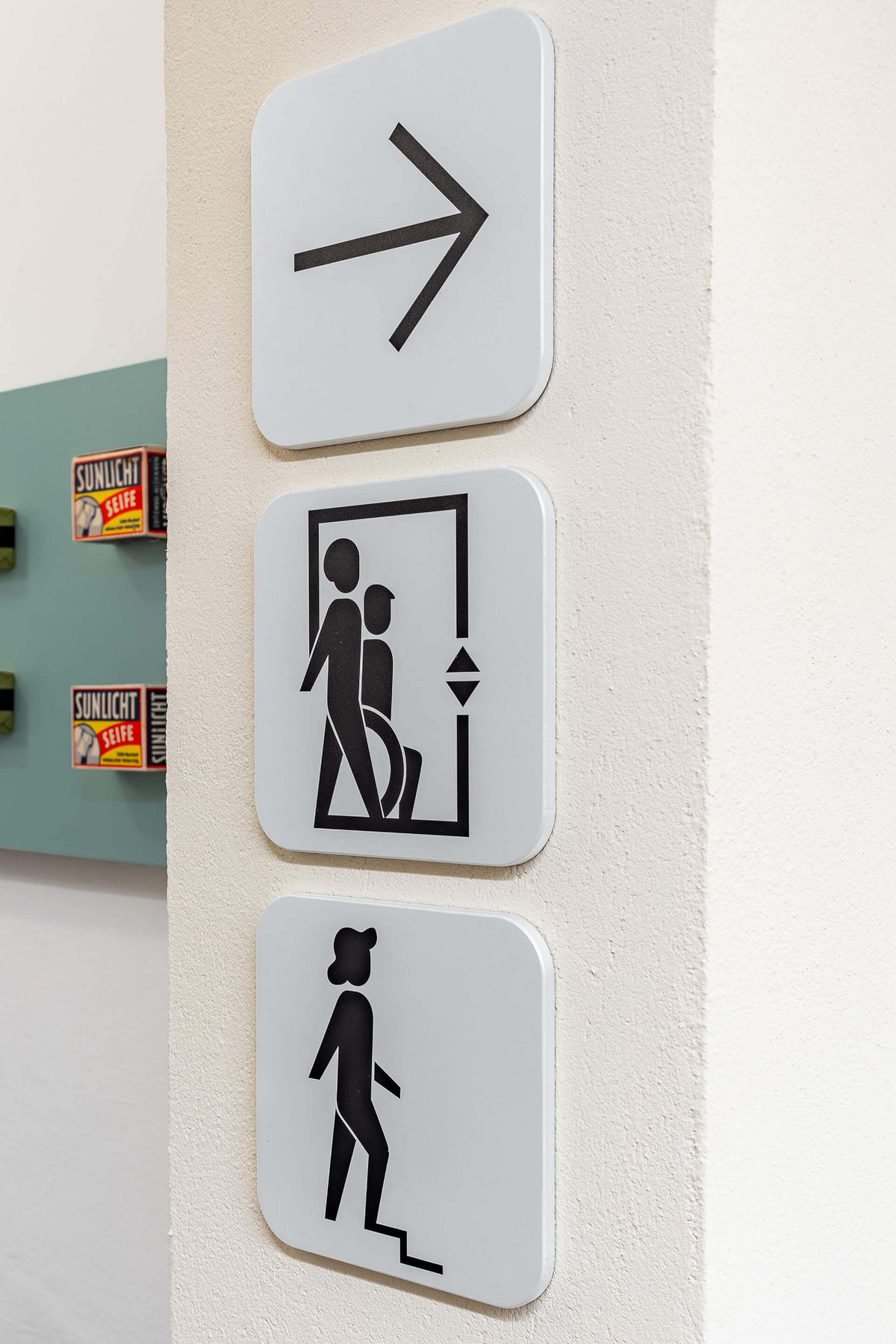
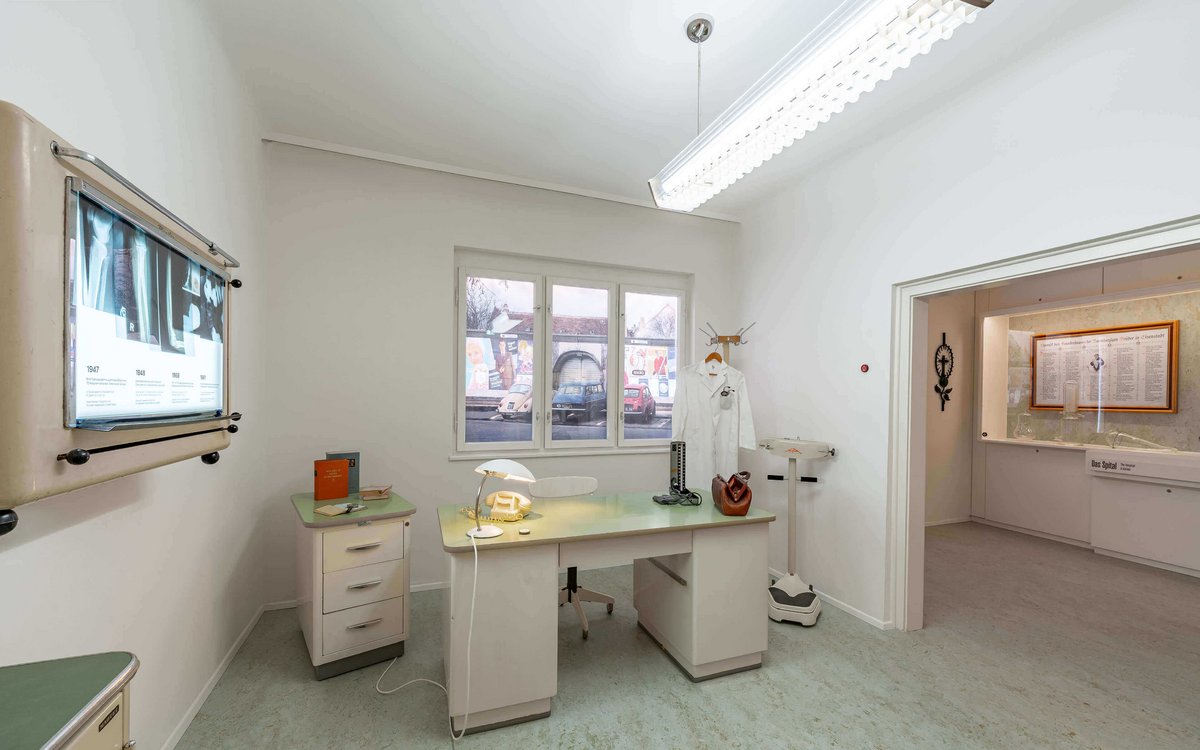
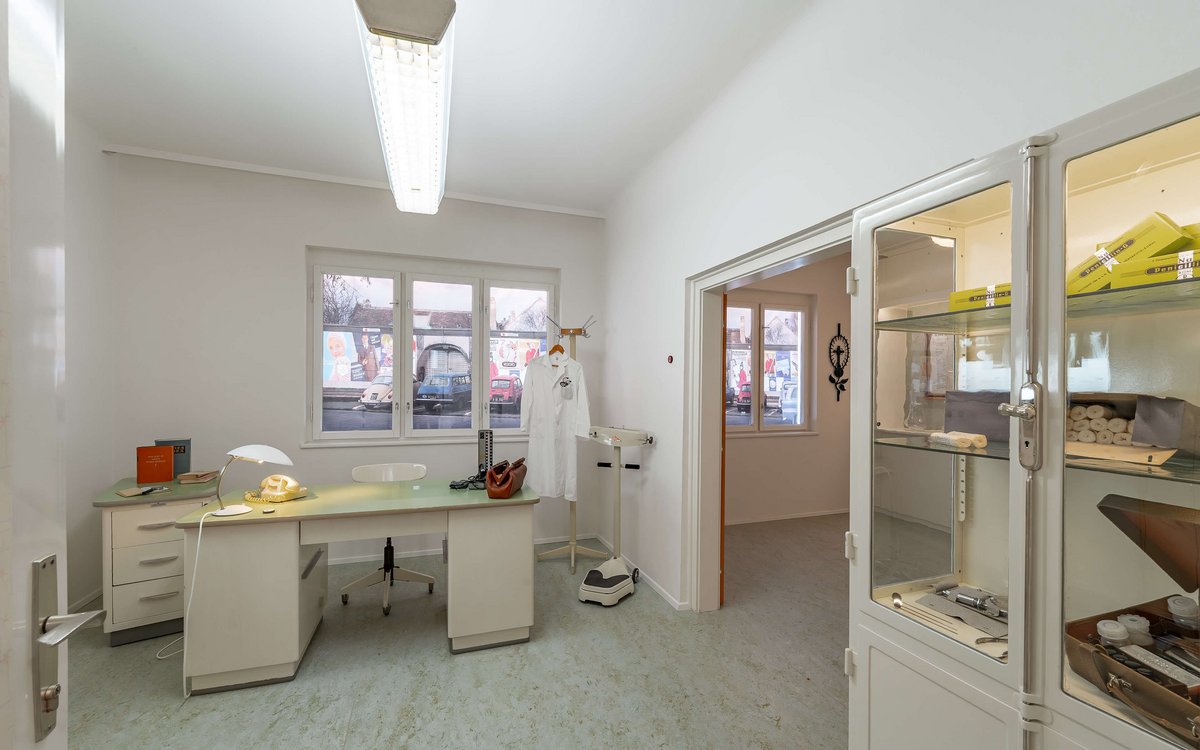
From the upper floor, the route leads via the gallery into the front wing, which was historically used as a medical practice. Here, visitors gain insight into the healthcare system of the provincial capital. The museum’s wayfinding system—like the illustrations in its digital content—draws on the ISOTYPE visual language developed by Otto Neurath.
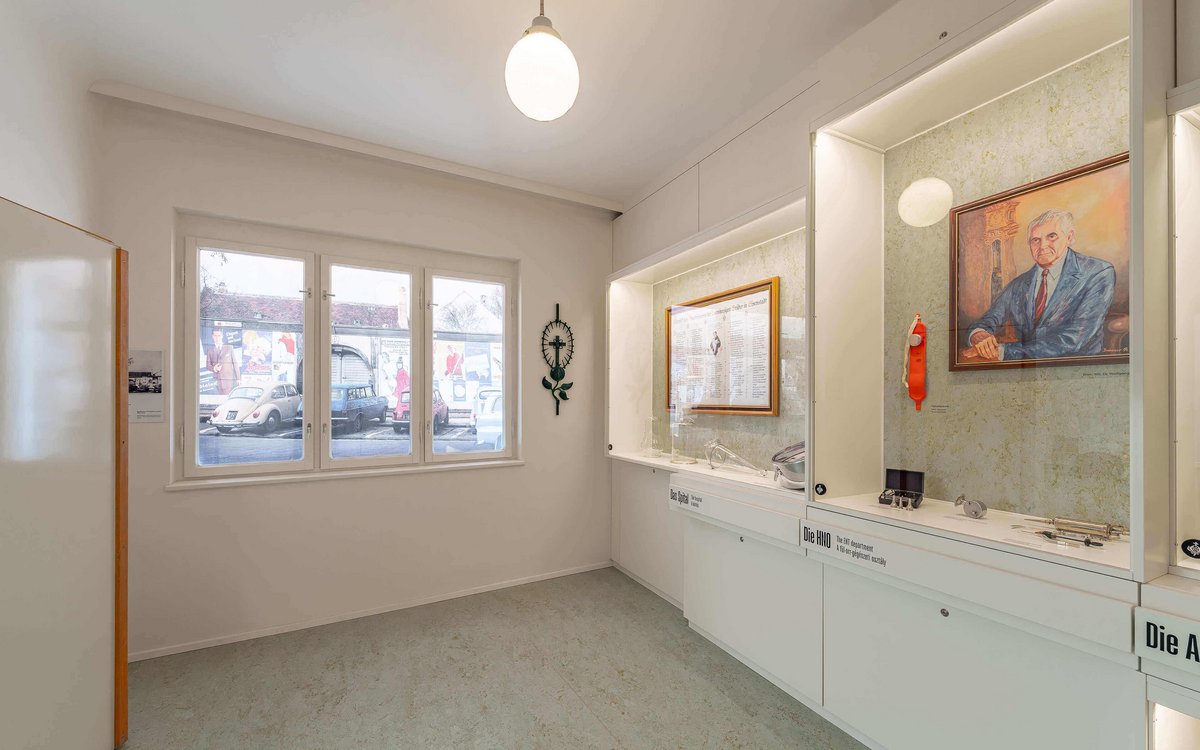
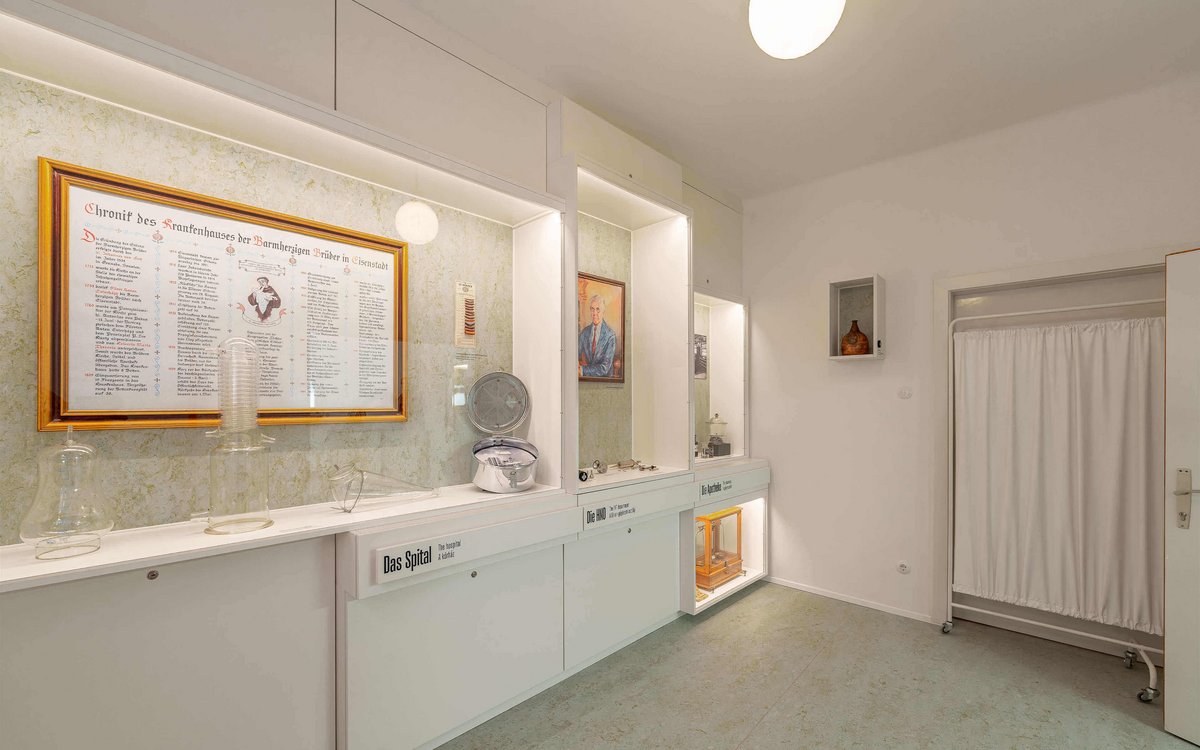
The final room is more overtly museum-like in its design and addresses the history of the Order of the Brothers Hospitallers in Eisenstadt, which placed the property at the city’s disposal. Based on an original photograph, a view from the window onto Pfarrgasse around 1965 is presented.
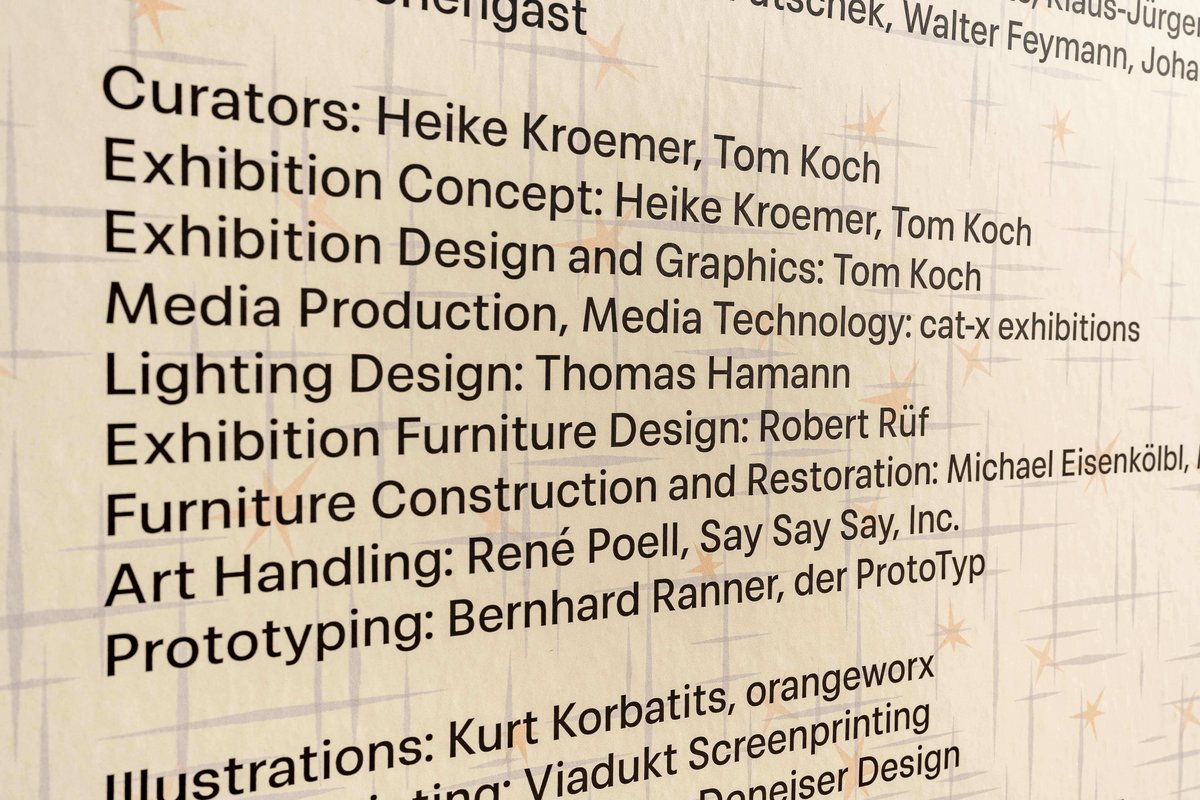
In the historic garden of the town villa, a pavilion was erected as had already been planned for this site in the 1950s but never realised.
Today, the pavilion serves as a multifunctional event space. The building is ideally suited for lectures, smaller exhibitions, and readings, serving as a new focal point for public discourse in the city.
Curators: Heike Kroemer, Tom Koch
Exhibition Concept: Heike Kroemer, Tom Koch
Exhibition Design and Graphics: Tom Koch
Media Production, Media Technology: cat-x (intak)
Lighting Design: Thomas Hamann
Exhibition Furniture Design: Robert Rüf
Furniture Construction / Restoration: Michael Eisenkölbl, Modell Art
Art Handling: René Poell, Say Say Say, Inc.
Prototyping: Bernhard Ranner, der Proto-Typ
Illustrations: Kurt Korbatits, orangeworx
Lettering, Neon Signage: Doneiser Design
Production: Natalia Barski
Textile Work: Graf & Partner
Wall Art: Georg Scheibenbauer
Paper Restoration: Ilse Mühlbacher
Repros and Prints: Gerin Druck GmbH / Perfect cut / Rausgebrannt
Food Samples: Iwasaki Corp. Ltd., Tokyo
360° Panoramas: wisocast
Renderings: Markus Reumann
Audio Guides: Guide-ID